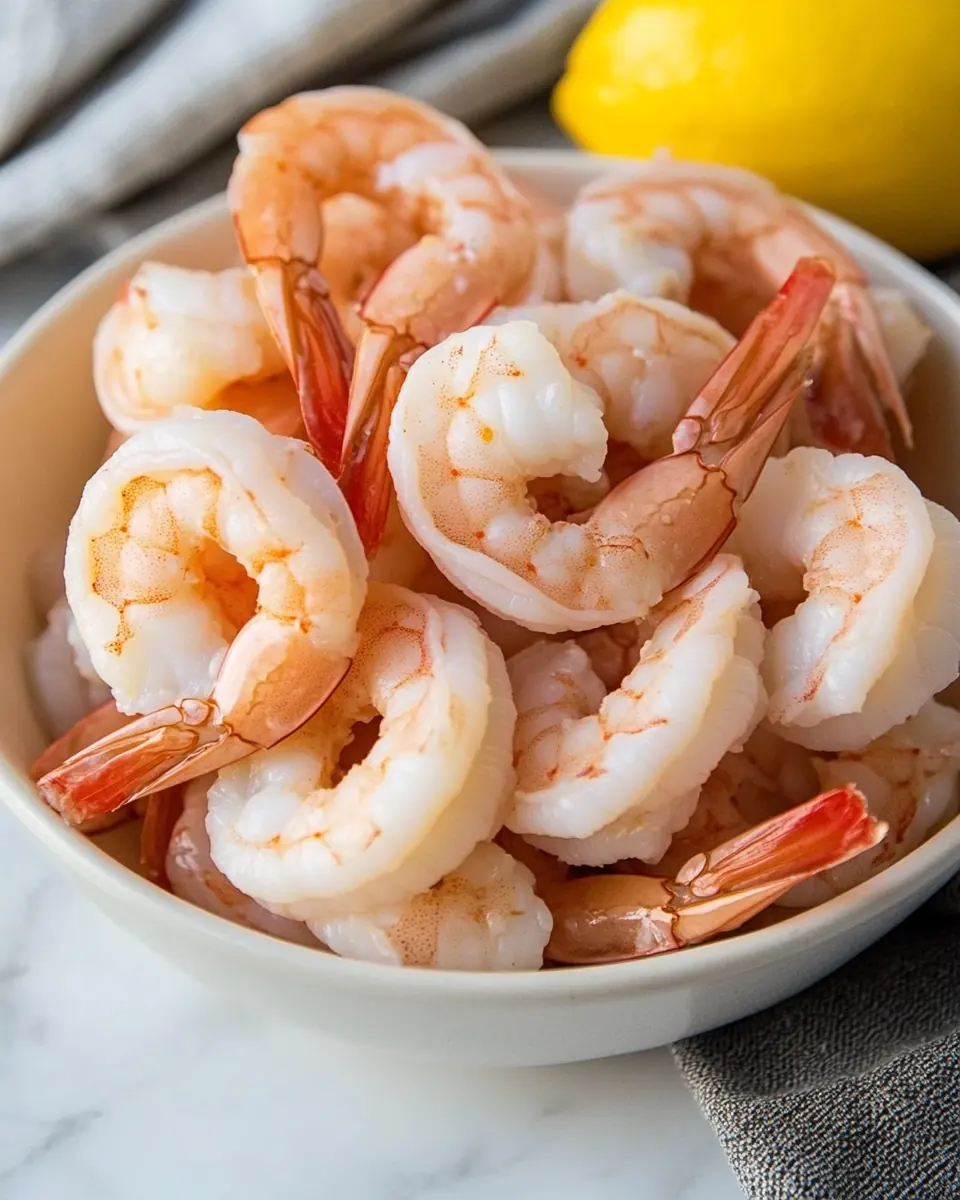
If shrimp are still in the shell, use sharp scissors and cut along the middle back of each shrimp, leaving the tail intact.: The moment you start cutting, you’ll hear a faint softening as the shell gives way; that sound paired with the small visual split signals that you’re creating access to the meat without tearing it. The reason to leave the tail intact is aesthetic and practical, it provides a handle and an attractive finish for many recipes. Work on a clean surface so shells fall away from the flesh; otherwise small fragments can cling and create an uneven texture later. A common mistake is using dull scissors, which crush the shell and bruise the meat, so keep blades sharp and steady. When done correctly, the exposed back will look pale and ready, and the shells will come off in neat pieces.
Using a sharp paring knife, cut along the dark vein on the back of each shrimp and remove it. Rinse out the back of each shrimp and pat dry with paper towels.: As you make that shallow incision, you’ll see the vein lift like a tiny thread; removing it clears any gritty or bitter elements that can affect taste. The knife should glide; if you tug, you risk slicing into the flesh and losing shape. Why this matters is simple, the vein can contain residues that cast an off note, and removing it keeps the flavor bright and clean. If you rush, you might break the shrimp or leave fragments behind, so be patient and steady. After deveining, the cavity looks smooth and pale, and the shrimp is much more pleasant to eat, especially in delicate preparations.
Save shrimp shells in the freezer to make shrimp stock, if desired (see note 3).: The rinse is a tactile step, you’ll feel the water wash away any loosened grit and the shrimp’s surface will change from slightly slippery to clean. Patting dry is crucial because excess moisture prevents proper browning and can dilute marinades. I like to press gently so the flesh stays intact, and lay the shrimp on a tray in a single layer to air for a moment if needed. A frequent error here is using too much force with the towel, which can mash the delicate meat, so dab, do not rub. When they’re properly dry, the shrimp surface has a faint sheen without wet spots, and they will take seasoning and heat more predictably.
Save shrimp shells in the freezer to make shrimp stock, if desired (see note 3).: Those shells hold a concentrated, briny essence that makes an excellent stock later, and the saving step turns a trim chore into a resource. Put shells in a labeled bag so you can accumulate enough for a batch, because you’ll need several cups to make a flavorful liquid. The aromatic payoff comes when you simmer shells with aromatics, extracting umami notes that deepen soups and sauces. One pitfall is letting shells sit unrefrigerated, which risks spoilage, so freeze promptly. Once you have enough, the stock will smell rich and marine, and it’s a small chef secret that elevates recipes without complex effort.