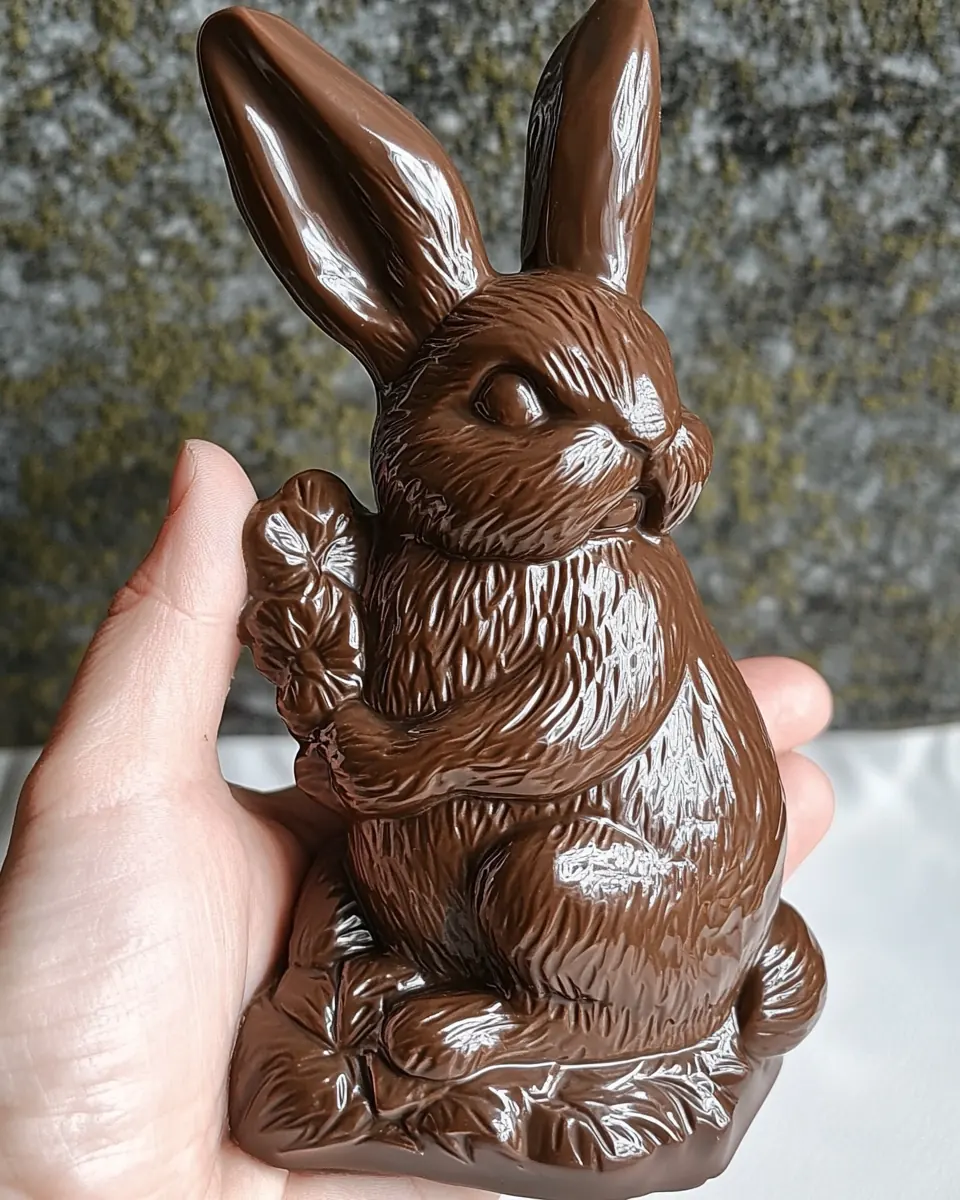
Place all ingredients into a microwave safe bowl with a pour spout for easy dispensing. Melt in microwave for 1 1/2 – 2 minutes at 70% power. Remove from microwave and stir until smooth.: As you add the measured chocolate chips and shortening to the bowl, notice the cool, slightly waxy surface of the chips and the faint cocoa aroma. The pour spout matters because melted chocolate flows quickly and you want control when filling molds; it reduces drips and makes for neater work. A common mistake at this point is using a bowl without enough room for stirring, which can cause hot spots when microwaving. Make sure the bowl is large enough to allow vigorous stirring without spills. Standing close, you can feel the subtle change in scent once stirring begins, from cocoa to that warm, toasty smell that tells you melting is underway.
Pour chocolate into candy molds, repeating until molds are filled. Allow to sit in a level area until the chocolate has dried and hardened. Place into freezer for about 30 minutes to easily release from mold.: As the bowl goes into the microwave, set the power to a reduced level to avoid rapid overheating, which can scorch the chocolate chips . The sound is quiet, but when you pull the bowl out after the first minute and a half, the chips will look glossy around the edges and still retain some shape in the center. This is intentional, because residual heat finishes the job. A typical error is melting at full power, producing a bitter smell and grainy texture. Use short bursts if needed and be prepared to stop earlier if the chocolate looks soft and shiny at the edges.
Remove from microwave and stir until smooth: The moment you take the bowl out you will see steam and a richer cocoa perfume. Stirring is where the remaining unmelted pieces emulsify into a satin finish. Use gentle, patient strokes, scraping the sides and bottom to incorporate any warm solids. The sound of the spoon moving and the sight of glossy ribbons forming are good indicators of completeness. If you skip vigorous stirring, you risk tiny unmelted bits that create a grainy mouthfeel. Stop when the chocolate is homogeneous and fluid, with no streaks or lumps.
Pour chocolate into candy molds, repeating until molds are filled: When you tilt the bowl, the melted mixture should flow like warm syrup; that fluidity helps capture fine details in the molds. Pour slowly and tap the mold gently on the counter to dislodge air bubbles, which appear as small domes on the surface. If you see trapped air, a quick toothpick coaxing or a light tap will resolve it. A typical misstep is overfilling, which wastes chocolate and makes unmolding messy. Aim for even layers and clean edges by using the pour spout and wiping drips with a damp cloth between fills.
Allow to sit in a level area until the chocolate has dried and hardened: As the molds rest, the surface will dull slightly and cool to the touch; that shift indicates the chocolate is crystallizing and setting. Choose a level, cool spot away from sunlight or drafts, because uneven temperature can cause streaky bloom. You want a slow, steady set for the best texture. Avoid nudging the molds prematurely, since movement can mar the surface or leave air pockets. Patience here pays off in crisp edges and a clean finish.
Place into freezer for about 30 minutes to easily release from mold: The freezer delivers a brisk chill that contracts the chocolate away from the mold walls, producing that satisfying pop when you invert it. After thirty minutes the bunnies should release cleanly with little pressure, preserving delicate features. Pulling them too early is the main mistake, which results in broken or sticky pieces. When you press against the mold and hear a faint crack as they separate, you will know they are ready. Let them warm slightly at room temperature if they sweat after thawing, to avoid condensation on the surface.