Heat the Instant Pot using the Sauté function.: The air warms and you may hear a light hum as the pot comes up to temperature, which is important because a hot base helps the olive oil shimmer and the vegetables begin to color quickly. You want to feel the pot getting hot beneath your hand, and the surface should glimmer when the oil goes in, signaling it is ready. This initial heat jumpstarts the Maillard reaction on the carrots and onion , giving the eventual broth richer notes. One common mistake is adding cold oil to a cold pot, which prevents proper browning and can result in a flatter flavor profile.
Add the olive oil, carrots, celery, and onion. Cook, stirring occasionally, until the vegetables are tender and starting to brown, about 5 minutes.: As you introduce the chopped vegetables, they should sizzle softly and start to release moisture. The scent shifts from raw to sweet and aromatic as the edges take on light golden flecks; that golden hue is your cue that sugars are caramelizing. Keep everything moving with a wooden spoon so the vegetables cook evenly and do not stick, which would create bitter spots. If you crowd the pot too much, the vegetables steam instead of brown, which reduces that deeper sweetness you want.
Add the garlic and cook for an additional minute.: You will notice a mellow sweetness and the pot picking up fond, those brown bits that cling to the bottom, which is full of flavor. Stir every so often, scraping the base to prevent scorching, and watch the texture shift from firm to tender. If the vegetables are still pale after five minutes, increase the heat briefly to encourage browning, but be cautious because very high heat can scorch quickly and add a burnt taste.
Next, add the chicken, chicken stock, water, Italian seasoning, and bay leaf.: The aroma of the garlic should bloom immediately, fragrant and heady, but do not let it brown too much since burnt garlic tastes acrid. Stir so the garlic becomes glossy and aromatic, about a minute, releasing its oils into the pot and deepening the savory base. A typical slip here is leaving the garlic unattended until it darkens, which will impart bitterness rather than flavor nuance.
Attach the lid and ensure the valve is in the sealing position.: When the liquids join the pot, they will steam and lift the fond, dissolving those browned bits into the broth and creating instant umami. The chicken should be mostly submerged so it cooks evenly, and the dried herbs will rehydrate and perfume the liquid. This step is crucial because the interaction between hot liquid and fond is what makes the broth sing. Filling the pot unevenly or using too little liquid can cause uneven cooking and a denser texture in the chicken .
Set the Instant Pot to Pressure Cook – Manual for 12 minutes.: You will feel the lid lock into place, which creates a sealed environment that lets pressure build. When the valve is properly sealed, steam won’t escape, which is how the chicken becomes tender quickly. Listen for a faint hiss as pressure starts to accumulate. A frequent oversight is mispositioning the valve, which prevents pressure from forming and results in undercooked meat.
Once the instant pot has finished cooking, allow the pressure to release naturally for 10 minutes.: During pressure cooking, the aromas deepen and the chicken breaks down into tender strands while the stock concentrates. The pot may feel slightly warm to the touch, and that contained heat infuses flavor efficiently. This timing is calibrated for breasts to be cooked through yet still juicy. A common error is overcooking at high pressure, which can dry the chicken or make it stringy.
Release any additional pressure manually by switching the valve to the venting position.: As pressure eases slowly, the juices redistribute through the chicken , helping it stay moist. You will notice the pressure indicator drop gradually, and the gentle hiss of slow release is normal. This resting window is like a short nap for the soup that improves texture. Forcing a quick release here can cause the liquid to spit and the chicken to tighten up.
Remove the chicken and bay leaf. Set the Instant Pot to the Sauté function again and add the egg noodles. Cook according to the package directions– or just until the noodles are soft.: When you open the valve, expect a controlled rush of steam that clears the pot interior and readies it for the final steps. Use a long-handled tool or a towel to protect your hand, and stand back as steam escapes. This action equalizes pressure quickly so you can proceed safely. Accidentally leaning over the valve while venting is a safety risk and may result in steam burns, so keep a safe distance.
While the noodles cook, shred the chicken. Once the chicken has been shredded, add it back to the Instant Pot and stir to combine. Season with salt and pepper to taste.: The removed chicken will feel incredibly tender, and the broth will be intensely aromatic without the astringent note of the whole bay leaf . Transfer the chicken to a plate to shred, and discard the bay leaf to avoid an overpowering herbal bite. If you leave the leaf in, it can lend a bitter edge, so remove it carefully.
Enjoy warm. Store any leftovers in an airtight container in the fridge for up to three days.: The broth will come to a gentle simmer, and adding the egg noodles now allows them to cook to tender perfection while absorbing flavor. You should see soft bubbling as the noodles swell and release a comforting wheat aroma. Stir occasionally to keep the noodles from sticking to the bottom. Overcooking the noodles in the pot can make them mushy, so follow the package cues and check frequently.
Cook according to the package directions or just until the noodles are soft: Softness is the goal, with the noodles yielding but not falling apart, providing pleasant mouthfeel. Taste a noodle to judge; it should have a slight spring but no chalkiness. If the broth seems too intense after the noodles soak up liquid, you can loosen it with a splash more hot stock or water, but avoid diluting too much which can flatten the flavor.
While the noodles cook, shred the chicken: Use two forks to pull the chicken into long, tender ribbons, noticing how the strands soak up liquid and collapse into plush texture. Shredding by hand gives you control over chunk size so every spoonful balances meat and noodle. A common mistake is shredding while the meat is too hot to handle, which can be uncomfortable; let it rest briefly so you can shred efficiently.
Once the chicken has been shredded, add it back to the Instant Pot and stir to combine: The moment the shredded chicken hits the hot broth, it relaxes and melds with the noodles and vegetables, creating a cohesive bowl. Stir gently to distribute the meat evenly, and season with salt and pepper to taste, tasting as you go so you do not over-salt. Over-seasoning at the end is harder to correct, so add incrementally and sample.
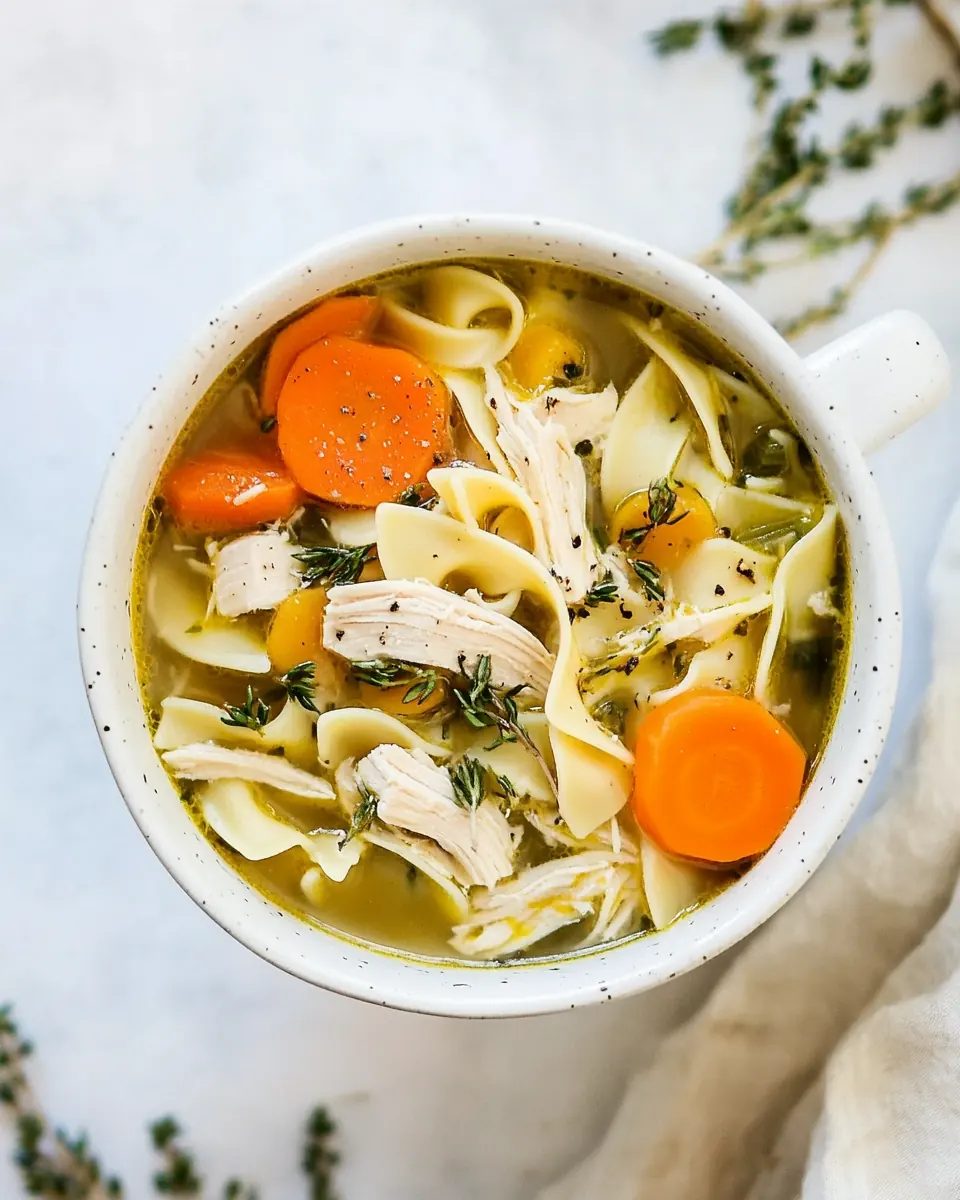
Enjoy warm: Serve the soup in warmed bowls so the heat lingers, and notice the steam rising with fragrant notes of herb and chicken . The contrast between the hot broth and tender components is most enjoyable right away, so plan to eat while it is fresh. Letting it sit too long will make the noodles continue to absorb liquid and can change the texture.
Store any leftovers in an airtight container in the fridge for up to three days: The soup keeps well chilled, and flavors often meld further after a day. When reheating, do so gently on the stove to preserve noodle texture, or separate the noodles before storing to maintain their bite. A frequent storage pitfall is leaving soup at room temperature too long, which can encourage bacteria, so refrigerate promptly.