Turn Pot to Saute and adjust to Low, add in olive oil, and once the oil is hot add garlic. Saute for 30 seconds to 1 minute, or until garlic is fragrant.: The air will fill with a warm, fragrant note as the olive oil warms and the minced garlic hits the pan, releasing sweet, toasty aromas; this blooming process gently softens the bite of the garlic and forms a flavor base for the tomatoes. Visually, you should see tiny shimmering ripples in the oil and a faint sizzle when the garlic is added. If the oil smokes, lower the temperature immediately, because overheated oil ruins the delicate flavor. One common mistake is rushing and letting the garlic brown too much; aim for a light golden edge and fragrant scent to avoid bitterness.
Add the tomatoes and Saute for another minute.: Expect a short, intense burst of scent as the garlic becomes aromatic, signaling readiness for the next ingredient. Listen for a gentle sizzle and watch for the garlic to lose its raw sheen, which means its sugars have started to caramelize. If you exceed the suggested time, the garlic may brown and turn bitter, so time this step precisely. A helpful tip is to move quickly to the next ingredient to preserve the sweet, mellowed character.
Add in pasta and broth, onion powder, and dried basil.: As the mini cherry tomatoes hit the warm oil and fragrant garlic , you will hear popping sounds and see skins begin to loosen, releasing bright juices. This brief sauté intensifies sweetness and softens the tomatoes enough to burst under pressure. The visual cue is glossy, slightly wilted skins and a fragrant, slightly sweet steam. Avoid overcooking here, because if the tomatoes break down too early you lose some of their vibrant texture in the final dish.
Add in feta cheese, do not break it, just nestle it a bit into the pasta.: When you add the small shell pasta and the chicken broth the pot will take on a savory steam that smells of herbs and starch. The broth should just cover the pasta, and stirring briefly prevents clumping. The onion powder and dried basil will dissolve into the liquid, creating an even flavored cooking medium. A common slip is adding too little liquid, which can leave some pasta undercooked; ensure the pasta sits mostly submerged and give a quick stir to settle everything.
Add the chopped basil: Tucking the block of feta cheese into the center lets it heat evenly and slowly soften without disintegrating immediately. The scent becomes tangier as the feta cheese warms, and visually you will see it start to soften around the edges. Nestling the block helps create a creamy center that you can coax into the sauce after pressure cooking. Avoid crumbling it too soon because tiny pieces can overheat and separate; keeping it whole ensures a silkier final texture.
Close and lock the lid, point the valve to seal. Pressure cook on HIGH for 4 minutes. Do a Quick Release after.: Scattering the chopped fresh basil over the top introduces herbal perfume that will infuse during cooking. You will notice the leaves release a bright, green aroma immediately, which softens under heat and melds with the tomato and feta cheese notes. If you add too much at this stage it can wilt excessively, so a moderate amount preserves aroma without turning mushy. Do not substitute with dried basil at this moment, because fresh leaves give a livelier finish.
Remove the lid and stir well to combine all of the ingredients. For more sauce, click on saute and add a bit of chicken broth, stir to combine.: As the pot seals, you may hear a faint hiss and the build up to pressure creates a steady hum. The pressure environment forces the pasta to absorb the chicken broth quickly and encourages the cherry tomatoes to burst, which helps form the sauce. After the 4 minute cook the Quick Release will let steam escape rapidly, and you will smell a concentrated tang of feta cheese and tomato. A common error is skipping the Quick Release when instructed, which can lead to overcooked pasta; follow the timing exactly for the right texture.
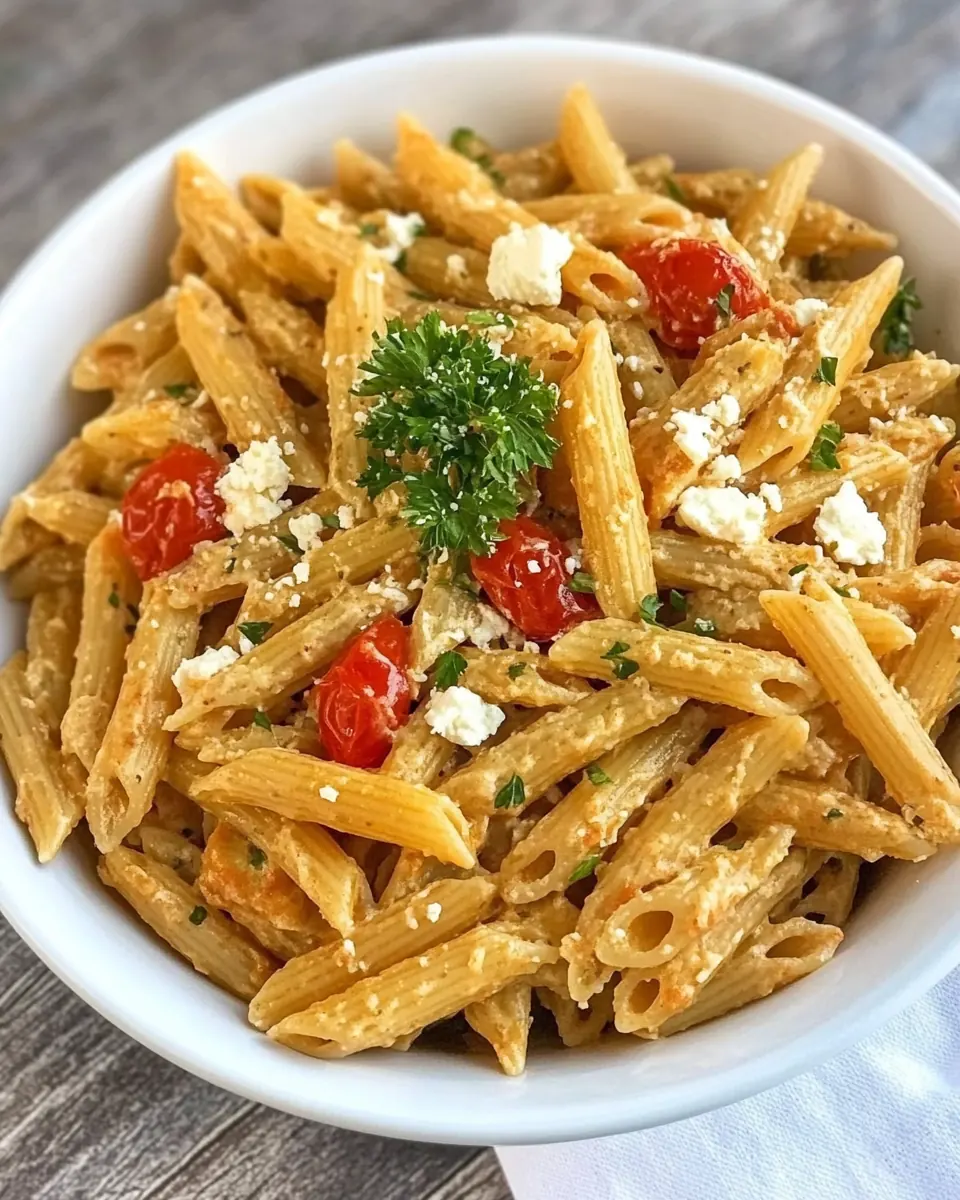
Serve with fresh basil.: The first stir reveals the transformation: the softened feta cheese will break into a creamy veil that coats the small shell pasta , and the released tomato juices will swirl into a glossy sauce. You will see threads of white and red melding, and the aroma will be tangy and rich. If the sauce looks tight, switching to sauté and adding small amounts of chicken broth loosens it while preserving flavor. One mistake is over stirring aggressively, which can break the pasta or make the sauce gluey; gentle, patient stirring yields the best texture.
Serve with fresh basil: Garnishing with extra chopped fresh basil adds a final aromatic lift and a vivid green contrast. As you plate, the first spoonful should offer a creamy, tangy note with bursts of sweet cherry tomatoes and the herbaceous snap of basil. Serve immediately to preserve the warm creaminess. A common misstep is letting the dish sit too long, which causes the sauce to tighten; serve promptly for optimal texture.