Layer potatoes on the bottom of your pressure cooker evenly. Pour the chicken broth over the potatoes. Lay the rack that came with your Instant Pot over the potatoes so that it lays flat.: The potatoes should form an even bed so they cook uniformly, and when the chicken low sodium broth hits them you will hear a soft splash that quickly turns to aromatic steam in the pot. Pay attention to visual cues, ensuring the potato pieces are similar in size and flat on the bottom, because uneven layering leads to some pieces finishing earlier and becoming overcooked. One common mistake is crowding the pot with uneven chunks, which yields inconsistent texture, so quarter the Yukon gold potatoes evenly for steady results. This base also protects the pot from direct fat drips later, keeping cleanup easier.
In a large mixing bowl combine all ingredients for meatloaf. Mix until well combined, but do not overmix.: As the broth settles, it should barely come up around the potato edges without submerging them fully, creating the perfect steam environment. You will catch a faint savory aroma as the seasoned broth mingles with the potatoes, hinting at the depth it will lend to the mash. The reason this matters is the broth infuses the potatoes while preventing them from becoming waterlogged, which keeps the final mash flavorful and silky. Avoid pouring too much liquid, because excess water makes the mash loose, and a frequent slip is treating this step like soup making rather than steam cooking.
Form the meatloaf mixture into a loaf about the size of your instant pot and layer on a foil sheet larger than your loaf. Roll up the sides of the foil so that it forms a 'bowl' around it to catch the grease. Place it on the rack on top of the potatoes.: When the rack sits level, it creates a stable platform for the meatloaf, preventing it from touching the broth and steaming instead of braising. The metal rack will make a faint metallic thud as it seats itself, then provide a slight rise above the potatoes so juices drip past without drowning them. This technique helps the loaf maintain a crusty exterior after broiling while the potatoes retain a clean, silky texture. A common error is placing the rack unevenly so the loaf tilts, causing hot spots and uneven cooking, so press it gently until it feels solid.
Place the lid on the Instant Pot, turn the valve to the sealed position and set the manual mode for high pressure for 30 minutes.: When you add ground beef , eggs , Italian Panko bread crumbs , milk , seasoned salt , garlic powder , yellow onion , and ground black pepper together, use your hands to gently fold the mixture until just combined. You should feel it come together, slightly tacky but not mushy; the scent will be savory with a hint of onion and garlic. This technique matters because overmixing compacts proteins, yielding a dense loaf instead of tender slices. A typical mistake is kneading the mix as if making bread, which makes the meatloaf tough, so stop as soon as the ingredients are evenly distributed.
When the timer goes off, perform a quick release to let steam out of Instant Pot. Remove the lid and check meatloaf for an internal temperature of 155 degrees F. If it is not done, replace the lid and cook for an additional 5 minutes.: Shape the loaf so it fits comfortably on the rack without touching the sides, and press it gently so the surface is smooth. When you lift it, it should hold together but feel soft, signaling a juicy interior. The foil acts as a grease catcher, so fold up the sides to form a shallow bowl around the loaf; you will hear a soft crinkle when shaping the foil, and that barrier keeps drips contained. People sometimes make the loaf too tall or too narrow, which can alter cook time, so aim for a loaf that matches the pot diameter for even cooking.
Carefully lift the meatloaf out of the Instant Pot so none of the grease spills. Place onto a sheet pan.: The foil bowl should cradle the loaf, with edges folded so grease stays in the foil and not in the pot. You will appreciate the easier cleanup and safer removal because the grease will be contained, and the loaf will lift out as a tidy package. This step prevents smoke or burning bits from collecting on the rack and creating off flavors that can happen if grease hits hot surfaces directly. An over folded or tight foil wrap can trap steam too closely and sog the bottom, so leave a little room for circulation.
In a small bowl combine ingredients for sauce and mix until combined. Spread sauce over the meatloaf. Place in the oven and broil for 3-4 minutes or until the top is bubbly and caramelized.: Setting the foil wrapped loaf on the rack produces a layered aroma as the meat juices begin to mingle with the steamy potatoes below. You should sense immediate savory steam rising when the lid closes, promising a moist interior. This positioning ensures that the loaf cooks via pressure and not by direct contact with the liquid, which preserves a firmer crumb for slicing after broiling. A common slip is nudging the loaf into the liquid, which causes the bottom to be steamed too much and become mushy, so set it carefully in the center of the rack.
Meanwhile add the remaining ingredients to the mashed potatoes in the Instant Pot. Mash the potatoes with a potato masher or hand mixer until light and fluffy.: As pressure builds, you will hear the familiar hum and occasional click of the cooker coming up to pressure, and the pot will begin to emit gentle hisses as steam calibrates. Cooking at high pressure locks in moisture and shortens the time while still producing tender results, so this method preserves texture without drying the loaf. Do not attempt to manually vent during this stage, because the sudden release can affect doneness and safety. A frequent mistake is setting the wrong pressure level, which either undercooks or overcooks the meat, so verify the setting before walking away.
Serve immediately.: The quick release produces a rush of steam and a loud whoosh, and you will feel the pot cool slightly at the edges as pressure drops. Once safe, remove the lid and check the meatloaf for an internal temperature of 155 degrees F, using an instant read thermometer inserted into the center. Temperature matters because carry over heat will raise it a few degrees after removing from the pot, giving you a safe, juicy result. If the loaf is under temperature, replace the lid and cook for an additional 5 minutes instead of guessing, because underdone meat is a health risk and overcooking makes dry slices.
Carefully lift the meatloaf out of the Instant Pot so none of the grease spills: Use tongs or the edges of the foil to gently lift the loaf onto a sheet pan, and you will notice the foil will have captured most of the juices. The loaf should feel firm enough to slice after a short rest, and the surface might have a moist sheen from rendered fat. Taking care when lifting prevents hot fat from spilling and avoids burns, which is a practical safety issue many overlook. A mistake here is trying to invert the loaf quickly, which can cause it to collapse or spill; lift slowly and steadly to keep the shape intact.
In a small bowl combine ingredients for sauce and mix until combined: Stir together ketchup , brown sugar , and prepared yellow mustard until glossy and smooth, and you will feel the sauce thicken a bit as the sugar dissolves. The sweet tang of the glaze balances the savory loaf and will caramelize under high heat, so getting a homogenous sauce ensures even coverage and a consistent finish. Common troubleshooting is a lumpy sauce from not mixing enough, so whisk thoroughly until smooth before spreading.
Spread sauce over the meatloaf: Use a spatula to coat the top evenly, leaving the sides bare so the glaze can bubble on top and form that desirable sticky crust. You should see the sauce sit glossy on the surface and begin to drip slightly over the edges, signaling readiness for the broiler. That caramelized top is an essential textural contrast, and an even layer prevents patches of burnt sugar or undercoated meat. Avoid over applying the glaze, which can cause heavy pooling and lead to burnt spots under the broiler.
Place in the oven and broil for 3 to 4 minutes or until the top is bubbly and caramelized: Under the broiler the glaze will singe slightly at the edges and bubble across the top, producing a sweet roasted aroma and a shiny, sticky finish. Watch closely because broilers vary; the difference between perfectly caramelized and burnt can be a minute or two. The quick broil also tightens the surface so the loaf slices neatly, creating that appealing contrast between a soft interior and a sticky exterior. A common mistake is walking away, so stay nearby and rotate the pan if your broiler has hot spots.
Meanwhile add the remaining ingredients to the mashed potatoes in the Instant Pot: Add the half and half , sour cream , and butter to the hot potatoes, and you will feel the mixture become silkier as the dairy melts. The steam and residual heat combine with the butter to create a creamy emulsion, while the sour cream adds a subtle tang that brightens the flavors. Stir gently so the mash keeps air and does not turn gluey, and taste to adjust seasoning after combining. Overworking the potatoes with a high speed mixer can lead to gluey texture, so use a potato masher or low speed and stop when fluffy.
Mash the potatoes with a potato masher or hand mixer until light and fluffy: As you mash, you will notice the potatoes transform from coarse chunks to a pillowy mass that holds peaks, with steam rising and a comforting butter aroma filling the kitchen. The ideal texture is smooth but not gummy, a sign you stopped at the right moment. This matters because proper mashing keeps the potatoes airy and pleasant against the denser meatloaf slices. A common error is over mixing, which breaks down the starches excessively and yields a gluey finish, so aim for a few lumps turned silky rather than absolute puree.
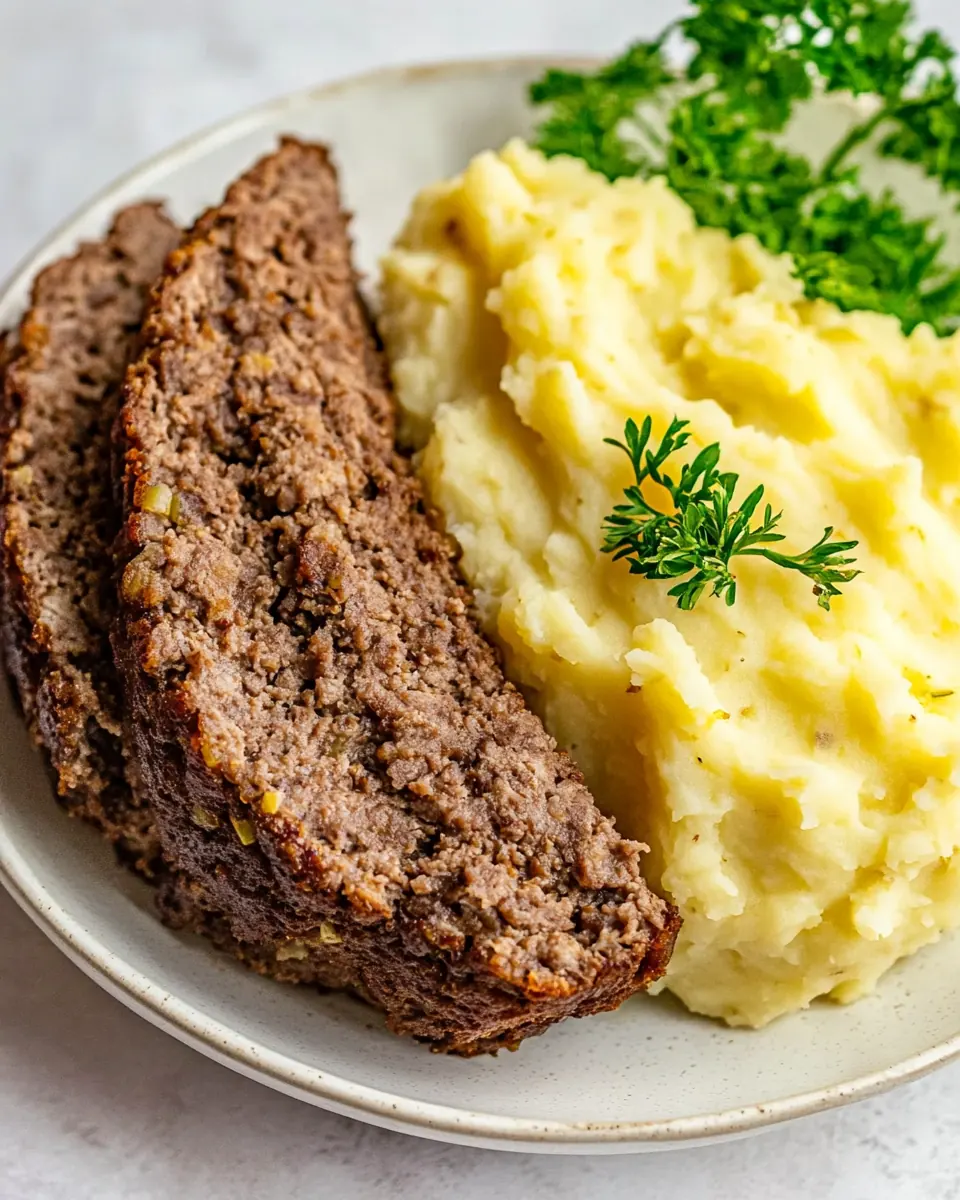
Serve immediately: Plate slices of the loaf alongside a generous scoop of mashed potatoes while the glaze is still glossy and the mash steaming, and you will notice the contrast of textures and harmonious flavors. Serve right away to enjoy the best combination of warmth, moisture, and browned sweetness, because resting too long cools the glaze and firms the mash. Timing matters for the ultimate experience, and a frequent oversight is letting the meal sit too long while getting plates, which reduces the impact of the broiled finish.