Place the trivet in your Instant Pot. Pour in 1 cup water (if using a 6-quart model) or 1 1/2 cups water (if using an 8-quart model).: As the pot begins to heat you will notice a faint metallic, warming scent and then steam forming in the lid area, which is exactly what you want, because that steam creates the moist environment that cooks the peppers gently. The water amount matters, because too little water can cause a burn message, while too much will dilute the flavor. A common mistake here is eyeballing the volume and under filling, which can leave the pot dry and trigger the burn sensor, so measure carefully. Use the trivet to keep the peppers elevated above the water so they steam rather than sit in liquid, preserving texture and keeping the bottoms from becoming soggy.
Cut off the tops of the peppers. With your fingers, gently pull out the seeds and membranes so that you have hollowed out pepper “shells.” If you are having trouble loosening the inner membranes of the peppers, use a dull butter knife to gently press them loose.: As you work you will see the pepper flesh reveal a glossy interior and smell fresh vegetal sweetness, a cue that your peppers are ripe and fragrant. Taking the time to remove seeds and membranes gently keeps the cavity clean and ensures the filling sits evenly. If you rush this step and leave bits behind, those membranes can trap moisture and create uneven texture when cooked. Use a serrated knife to steady the top if needed, and rotate the pepper while pulling membranes free with your fingertips so you don’t accidentally tear the shell.
Stand the peppers up in the Instant Pot, nestling them beside each other so that they stay upright.: When they are arranged correctly you will hear a soft clink as they touch the trivet and each other, and the visual of their colorful tops makes plating easier later. Nestling them prevents tipping during cooking, which keeps the filling secured inside. A common slip is overcrowding the pot which stops steam circulation; the peppers should sit snug but not crushed, allowing steam to move around each pepper for even cooking.
In a large mixing bowl, place the turkey. Sprinkle the chili powder, cumin, garlic powder, onion powder, salt, black pepper, and cayenne pepper over the top.: As you sprinkle the spices you will notice warm, aromatic notes rising from the bowl, which is a good sign the blend is balanced. Coating the meat evenly with dry spices early helps the flavors distribute throughout the mixture instead of creating pockets of seasoning. Avoid vigorous mixing that compacts the meat, because overworking can make the texture dense once cooked; gentle folding is the right move here.
Next, pour in the diced tomatoes in green chiles and the can of green chilis.: The juices will glisten and add moisture, which is critical for the rice and meat to finish tender under pressure. You should be able to see the mixture become looser and slightly glossy, indicating the liquids are integrating. A mistake to watch for is draining the cans too much, because that liquid is part of the cooking environment and contributes to flavor and moisture balance.
Last, add the rice and 3/4 cup shredded cheese (doing the ingredients in this order makes them easier to combine).: When the rice and some of the cheese go in, you will see texture changes immediately as grains separate and the cheese softens into the mixture. This order ensures the rice gets evenly distributed without clumping, and the cheese begins to bind the filling. Overpacking rice can make the filling dry, so use cooked rice that is fluffy and not compacted in the measuring cup to keep the final texture pleasant.
With a fork, gently stir to combine all of the ingredients as evenly as possible, being careful not to compact or overwork the meat. Make sure the spices are evenly distributed.: While stirring you will notice a blend of aromas from the spices and tomatoes, and the mixture should look cohesive but not dense. The fork helps keep the texture light. A common error is heavy mixing which compresses the meat and makes the filling tough after cooking. Aim for even distribution of color and spice flecks so each spoonful tastes balanced.
With a spoon, scoop the filling and lower it down into the peppers by heaping spoonfuls. Divide it evenly between the peppers and fill the peppers all the way to the top. The peppers will be very full.: As you mound the filling the peppers will take on a hearty, rounded silhouette and you may see the filling just peeking over the rim, which is fine because it will settle during cooking. Filling them fully ensures each pepper cooks uniformly and provides a gratifying, abundant bite. Avoid leaving large air gaps which can cause uneven cooking, but also resist packing too tightly which can hinder heat penetration and create a denser texture.
Close and seal the Instant Pot. Cook on high (manual) pressure for 10 minutes (depending upon your model, the button may also say “pressure cook”). Once the pressure has built and the 10-minute timer has elapsed, immediately vent to release any remaining pressure.: During the pressure build you will hear clicks and a soft whir as the valve engages, and steam will hiss subtly during venting. This sealed, high pressure environment cooks the peppers quickly while preserving moisture, making the filling tender and the peppers soft. A frequent mistake is allowing a natural release too long if you prefer a slightly firmer pepper; immediate venting gives a tender but not mushy result, while extended natural release can over soften them.
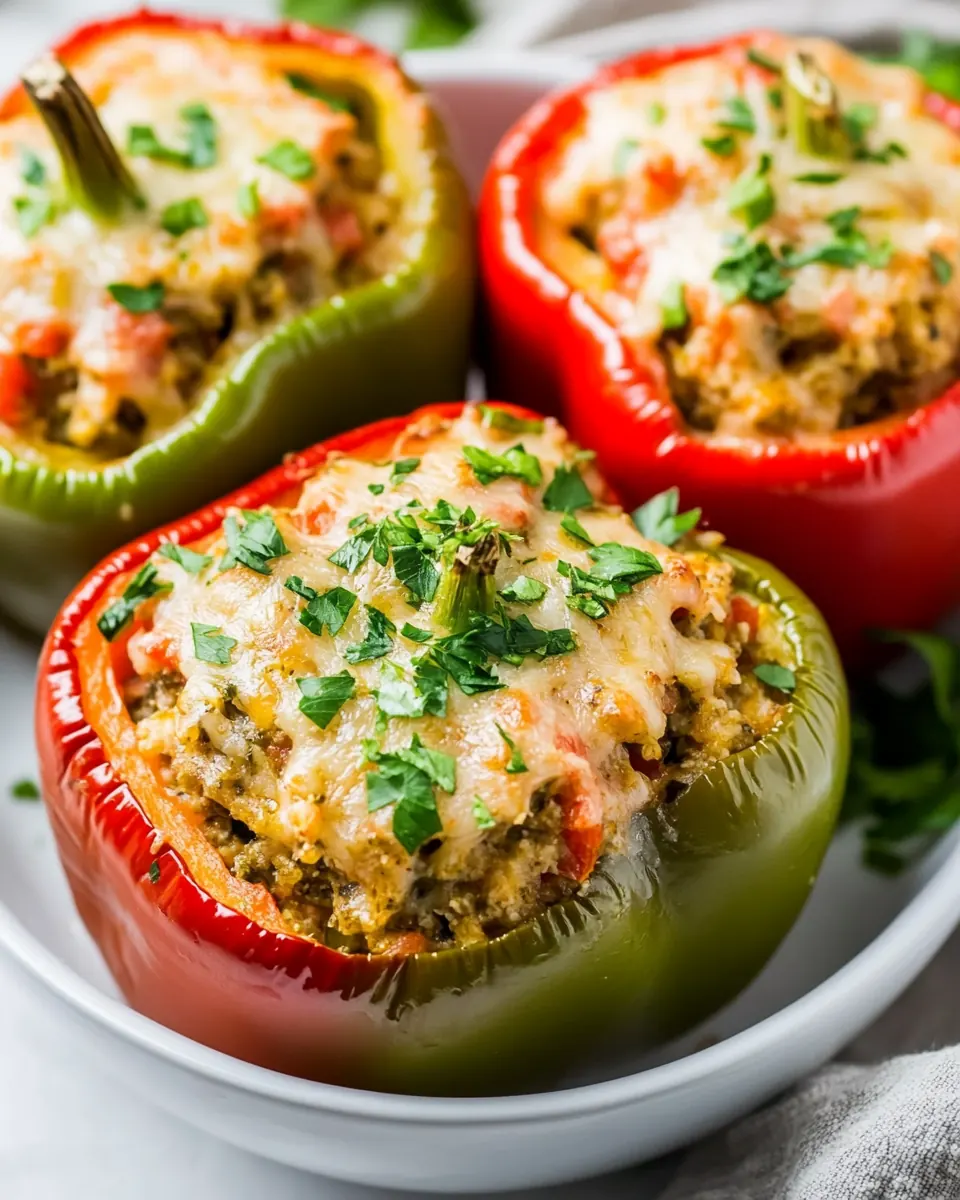
Carefully open the Instant Pot. The meat should be completely cooked through at this point, but if you want to be 100% certain, test it with an instant read thermometer – it should be at 165 degrees F (if it is not for some reason, reseal and cook 1 to 2 additional minutes; if it's close (160 or more) a few minutes rest without cooking further should carry it over to a safe temperature. Sprinkle the remaining 1/2 cup cheese on top of the peppers. Replace the lid (no need to seal) and let sit for a minute to allow the cheese to melt.: When you lift the lid a warm, savory steam will rise and the filling will look glossy and set. Checking temperature is peace of mind, and the quick rest with the final cheese gives you a melty, attractive top without overcooking. Avoid leaving the peppers in a sealed pot too long after adding the cheese because residual heat can continue cooking the filling and overly soften the pepper shells.
With tongs, gently lift the peppers onto serving plates (some water may drip off as you lift; this is moisture that built as the peppers cooked; simply let it drip back into the pot as you lift out the peppers). Serve hot, sprinkled with fresh cilantro and any of your favorite toppings.: As you transfer them you will feel the peppers are tender but still holding shape, and any small droplets are simply the cooking liquid, which you can blot if desired. The final sprinkle of cilantro or a dollop of Greek yogurt brightens and contrasts the rich filling. One pitfall to avoid is moving them roughly which can cause the filling to spill; use tongs under the pepper base and support the sides as you lift for a clean transfer.