Press Sauté, and once the IP display says Hot, coat it with oil and add the onion. Cook for 2 mins. Add garlic, stir and cook for 3 minutes.: The kitchen fills with the sweet savory scent of softened onion and warm garlic , creating the aromatic base for the dish. You should hear a gentle sizzle as the chopped onion warms and see it turn translucent at the edges, releasing its natural sugars. This step matters because those gentle caramelization notes become the foundation for the sauce, rounding any sharp edges from the tomato ingredients. A common mistake is rushing the heat too high, which can scorch the garlic , so keep the temperature steady and stir frequently to prevent sticking.
Add the meat, thyme, oregano, rosemary, paprika, salt, and pepper, break it up with a wooden spoon, and cook for 5-7 minutes. The meat will still be pink.: As the ground beef hits the pan, you will notice the aroma deepen and small browned bits form on the pot bottom, adding complexity to the final sauce. The herbs and spices start to toast slightly, releasing their oils and fragrance. Breaking the meat into coarse pieces ensures it cooks evenly and provides texture in the finished dish. Avoid overbrowning at this point because burnt bits give a bitter taste, but do allow enough contact to build flavor and fond for deglazing.
Add cabbage and stir.: When you fold in the shredded cabbage , it will seem like a lot at first, but it wilts quickly under heat and absorbs the savory juices. You will see the volume reduce and the cabbage take on a glossy sheen as it softens. Incorporating it now lets it mingle with the seasoned meat so the flavors begin to marry before pressure cooking. A mistake to avoid is over stirring aggressively, which can bruise the cabbage and make it mushy later.
Add broth, Worcestershire sauce, tomato paste, and diced tomatoes, and stir to combine.: Pouring in the chicken broth and canned tomatoes will loosen the pan and lift those flavorful browned bits, creating a unified sauce. The tomato paste dissolves into the liquid, darkening the color and intensifying the tomato notes. You should see a coherent, saucy mixture that smells tangy and savory, which is exactly what you want. Do not skip deglazing, because any stuck bits left behind will affect flavor and can trigger a burn notice during pressure cooking.
Add rice and do NOT stir; lightly press it into the mixture to submerge.: When you add the rinsed rice , press it gently so it sits beneath the surface of the sauce rather than mixing it through. This helps ensure even absorption of liquid and prevents it from clumping at the top where it may cook unevenly. The rice will swell as it cooks and take on the savory, tomatoey flavors. Avoid stirring after adding the rice, because agitation can release starch and create a gummy texture instead of separate tender grains.
Cancel Saute. Close and lock the lid, set the pressure vent to Sealing, and press Pressure Cooking on High for 20 minutes. Instant Pot will take about 15-20 minutes to come to pressure.: You will notice the display change as the pot builds pressure, and steam will begin to hiss briefly from the valve as it seals. That interval allows flavors to continue mingling before the high pressure does the heavy lifting. The pressure stage tenderizes the cabbage and finishes the rice without drying the meat. One common issue is failing to set the valve to sealing, which prevents pressure buildup and leaves the rice undercooked.
When it's finished cooking, please quick-release by turning the pressure vent to the Venting position.: Releasing the pressure quickly brings the internal temperature down and prevents overcooking, preserving texture and preventing the cabbage from turning overly soft. You will hear a rush of steam and may see bubbling at the surface as pressure escapes, so keep hands and face well away. A typical error is attempting to open the lid before the float valve drops, which is dangerous; always ensure pressure is fully released first.
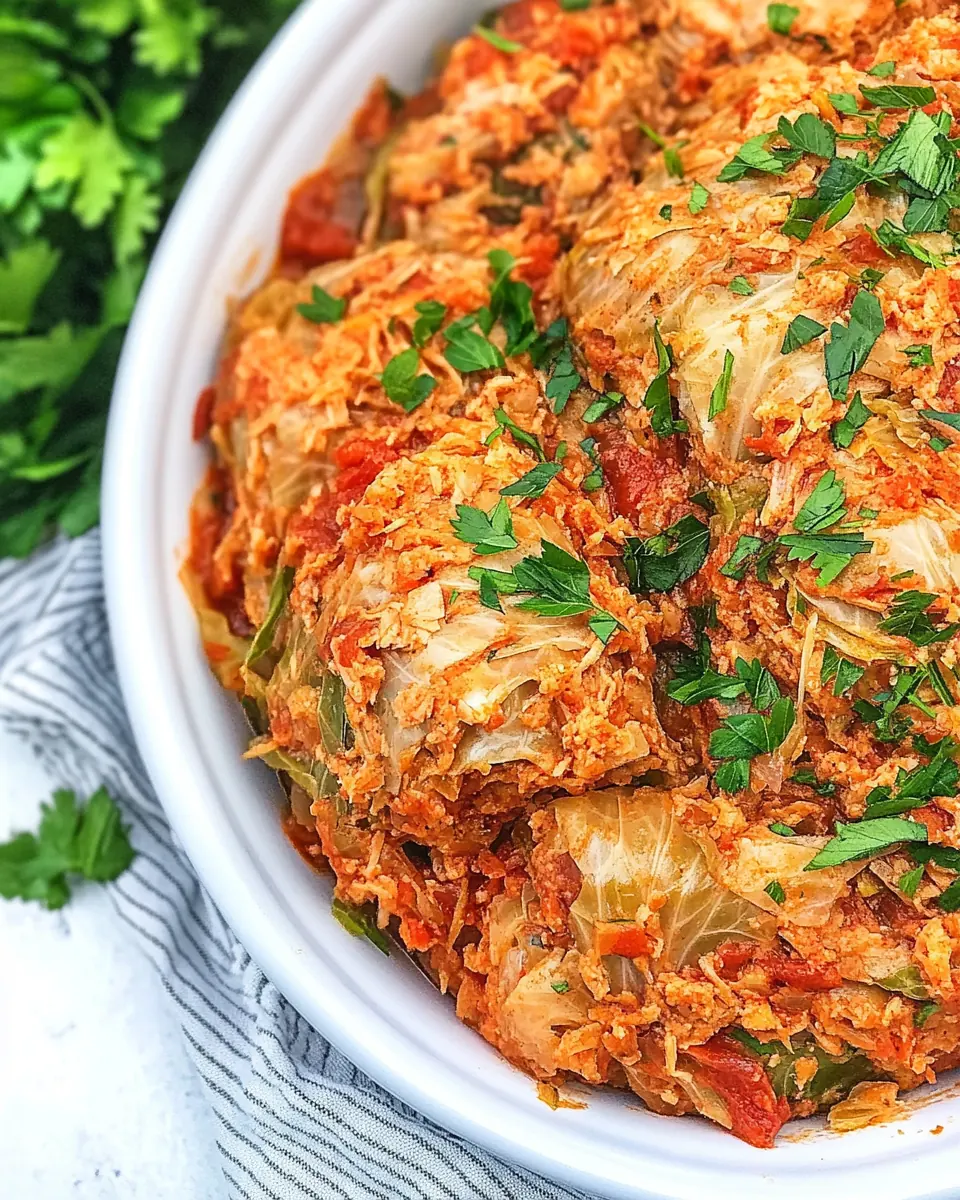
Open carefully, stir in chopped dill, and serve with sour cream or Greek yogurt.: Opening the lid releases an immediate wave of fragrant steam that carries herbs and tomato aroma, and stirring in fresh dill at the end brightens the whole pot. The cool dollop of Greek yogurt or sour cream adds creamy contrast against the warm, savory base and helps balance acidity. A mistake to avoid is adding delicate herbs before pressure cooking, as they will lose vibrancy; finishing preserves their fresh character.