Preheat the oven to 375°F. Spray a muffin tin with nonstick spray.: As you heat the oven, you will notice a dry warmth building inside, which helps set the muffins' structure quickly and produces a crisp top. It's important to start with a properly preheated oven so the leavening reacts consistently, giving an even rise and a textured crust. A common mistake is placing the batter into an oven that has not reached temperature, which can cause the muffins to spread rather than dome. If your oven tends to run hot or cool, use an oven thermometer to confirm the 375°F target. You might also hear a faint metallic click as the element cycles, and the air will feel actively warm when you briefly open the door to place the tin inside. Avoid opening the oven door in the first part of baking, or you risk collapsing the tops.
In a large bowl, whisk together the flour, sugar, baking powder, baking soda, and salt. With a pastry cutter or two knives used scissors fashion, cut in the butter until the mixture resembles coarse crumbs. (You can also do this part in a food processor and let the blades mix the flour and butter together). In a small bowl, stir together the buttermilk and egg until blended. Add the buttermilk mixture to the dry ingredients and stir to combine. Stir in the currants and caraway seeds (if using).: When you prepare the tin, the surface should look faintly glossy, which prevents sticking and allows the muffins to release cleanly. Properly greased cups will yield intact, presentable muffins with slightly crisp edges where the batter met the tin. Using a light spray also helps minimize extra fat on the muffin sides. A frequent misstep is insufficient greasing, which can tear the muffins during removal. If you prefer, line the cups with paper liners to make lifting effortless, but ensure liners are well seated so batter does not seep under and create uneven bottoms.
Spoon the batter into the prepared muffin cups. Bake 20 to 25 minutes, or until a cake tester inserted into the center of one muffin comes out clean.: As you whisk the dry flour mixture, you'll be able to smell faint wheaty notes and you'll see a uniform pale mixture. This step ensures the leavening and salt are evenly distributed, which is crucial for consistent flavor and rise. I like to whisk with a wide motion to incorporate air and break up any lumps. A common issue is clumps of baking powder or soda, which will create odd pockets of taste and uneven rising, so be thorough. Visually, the mixture should look light and homogeneous before you cut in the butter .
Remove the muffin tin to a wire rack. Cool 5 minutes before removing the muffins from the muffin cups; finish cooling on a rack. Serve warm or cool completely and store muffins in an airtight container at room temperature.: As you work the cold butter into the dry mixture, you should see pea sized pieces coated in flour . This creates little pockets that melt during baking, producing a tender crumb and slight flakiness. The action can be done with a pastry cutter, two knives, or even pulse actions in a food processor, each producing a slightly different texture. Avoid fully blending the butter until it disappears, or you’ll lose those desirable pockets. If the kitchen is warm, chill the butter briefly so it remains solid while you cut it in.
Stir together the buttermilk and egg until blended: When you whisk the buttermilk and the beaten egg , the mixture will become slightly frothy and well united, offering a smooth liquid to bind the dry ingredients. This emulsion helps the batter come together evenly and signals that the wet ingredients are ready to be integrated. If the buttermilk is cold, the batter will feel cool to the touch and benefit from a gentle fold; too warm, and it may affect how the butter behaves. A mistake to avoid is adding the wet ingredients while they are separated or lumpy, which can leave streaks of egg or unevenly moistened flour.
Add the buttermilk mixture to the dry ingredients and stir to combine: As you fold the wet into the dry, aim for a shaggy batter with small flour streaks, which will blend with gentle mixing to a slightly lumpy finish. You should be able to see the batter hold together without becoming overly glossy, indicating you haven’t over mixed. Over mixing activates gluten, risking a tough crumb, so stop when the major dry bits are hydrated. The batter will feel moist and slightly tacky, and you may hear a soft glug as it moves in the bowl. If the batter appears too dry, a quick tablespoon of additional buttermilk can rescue the texture.
Stir in the currants and caraway seeds: As you fold in the currants and optional caraway seeds , you'll notice small dark flecks dispersing through the batter and a light, fruitful aroma as the currants warm slightly from handling. Even distribution is important so each muffin has pockets of sweetness and aromatic lift. Tossing the currants with a spoonful of flour before adding can prevent sinking, but avoid adding too much extra flour. One trap is over stirring at this point, which can crush the fruit and make the batter sticky rather than airy.
Spoon the batter into the prepared muffin cups: When you portion the batter, it should mound slightly above the rim of each cup for a nice domed top after baking. The batter will be thick but scoopable, and you may hear a soft thud as it lands in the tin. Use an ice cream scoop for consistent sizes to ensure even baking. If cups are under filled, muffins will bake flatter; overfilled cups can spill and bake unevenly. Leave a little space for rise to avoid overflow.
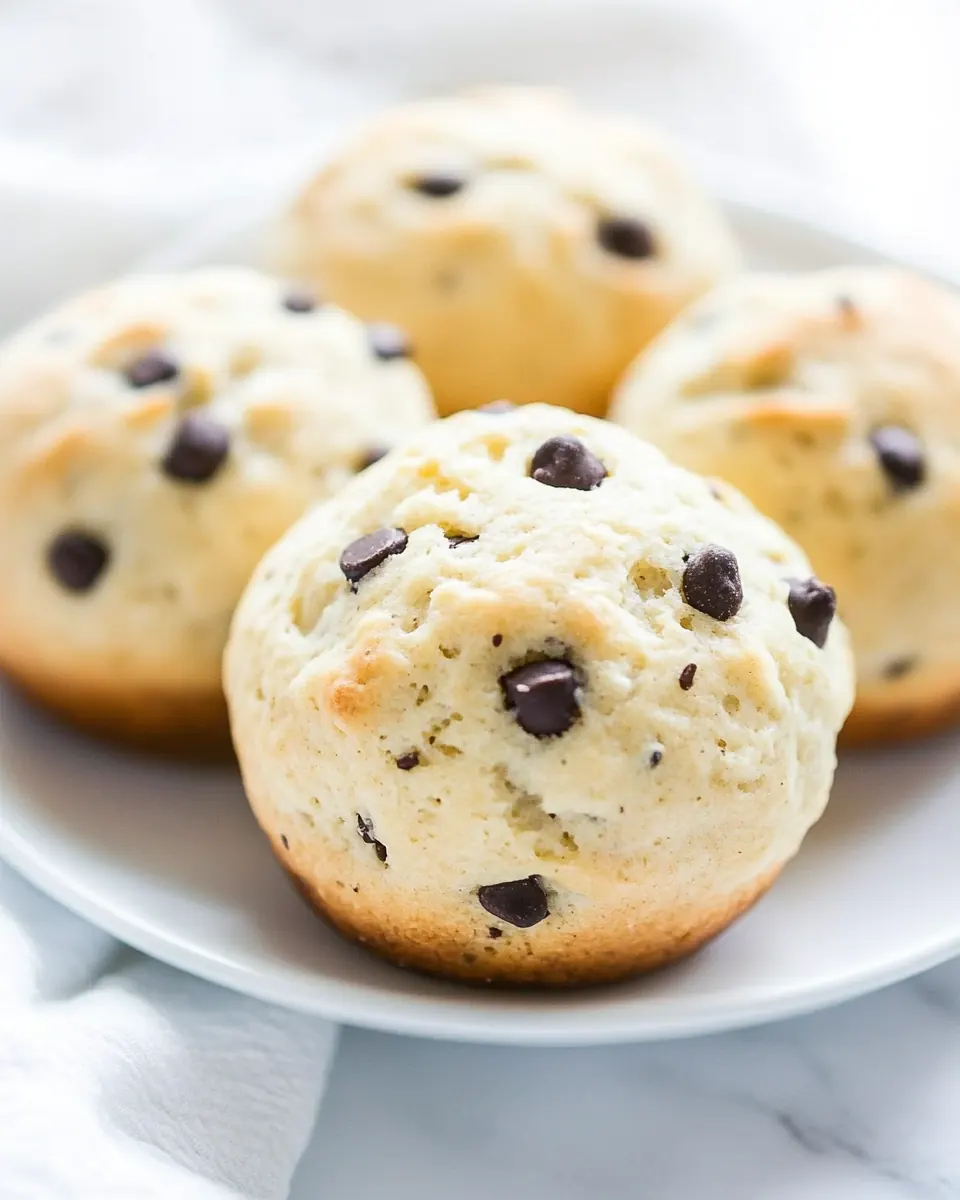
Bake 20 to 25 minutes, or until a cake tester comes out clean: During baking you will smell warm, toasty butter and sugar, and the tops will transition from pale to a warm golden brown. The edges will firm and the surface will spring back lightly when pressed. Use a cake tester or toothpick inserted into the center to check for doneness; it should come out clean or with a few moist crumbs. A common error is underbaking, which leaves a gummy center, so err on the side of checking toward the end of the time window.
Remove the muffin tin to a wire rack: After the muffins come out of the oven, transfer the tin to a wire rack to stop residual heat from overcooking the bottoms. The muffins will continue to set slightly as they cool, and you should notice steam dissipating from the tops. Waiting about five minutes helps them firm up enough to remove without tearing. A mistake is leaving them to cool too long in the tin, which can create condensation and soggy bases.
Cool 5 minutes before removing; finish cooling on a rack: Allow the muffins to rest briefly before lifting them from the tin, then finish cooling on a rack so air circulates under and around them, preventing soggy undersides. As they cool, aromas mellow and the crumb becomes more defined. Serve warm for the best sensory experience, or cool completely before storing in an airtight container at room temperature. Avoid sealing them while still hot, which traps steam and can soften the crust excessively.