Heat 2 tablespoons of extra-virgin olive oil in large pot over medium-low heat, add the cubed potato and garlic, and cook until they both begin to brown, adding a splash of warm water if necessary.: The moment the extra-virgin olive oil warms, it releases a subtle fruity perfume that sets the tone for the whole soup. As the potato and garlic sizzle gently, you should hear a soft, steady whisper of cooking rather than a loud fry, and the edges of the cubes will take on a pale gold, signaling they are caramelizing and yielding sweetness. Stir occasionally so nothing sticks, and if the pan looks dry, a splash of warm water will lift any fond and prevent scorching, which would make the garlic taste bitter. The purpose here is to soften the potato and mellow the raw bite of garlic, creating a tender base that will blend into a silky body later. One common mistake is turning the heat too high, which makes the garlic burn quickly; if you smell bitterness, reduce the heat immediately and add a small amount of liquid to cool the pan.
Add the drained beans, followed by the thyme and red chili flakes (optional), and cook, stirring for a couple of minutes.: When the cannellini beans join the pot, they bring a faint bean aroma that mingles with the browned potato. Gently folding them in releases their creamy character without breaking them down completely, which preserves some bite. The fresh thyme will unfurl its green, slightly lemony scent, and if you include red chili pepper flakes , a warm, peppery undertone will begin to build. Stirring for a couple of minutes allows the flavors to marry; you will notice the mixture becoming a little more cohesive as the beans warm through. Avoid vigorous stirring that pulverizes the beans at this stage, unless you prefer a uniformly smooth texture; over-mixing can also thicken the soup too quickly before you add stock.
Pour in the broth and bring to a boil, then reduce the heat and simmer for 5 minutes. Season with sea salt and black pepper to taste.: Adding the hot vegetable stock lifts the aromas and transforms the pot from a sauté to a simmering soup. You will see delicate steam rise as the liquid comes up to a boil, and then calming the heat to a gentle simmer produces tiny rhythmic bubbles that indicate a steady, even cook. Simmering for the suggested time helps the flavors meld and the potato to become fully tender, contributing starch to thicken the broth slightly. Taste and season with sea salt and black pepper incrementally, since canned beans can already contain salt. A frequent error is over-salting before the pot reduces, so season lightly and adjust after the puree step.
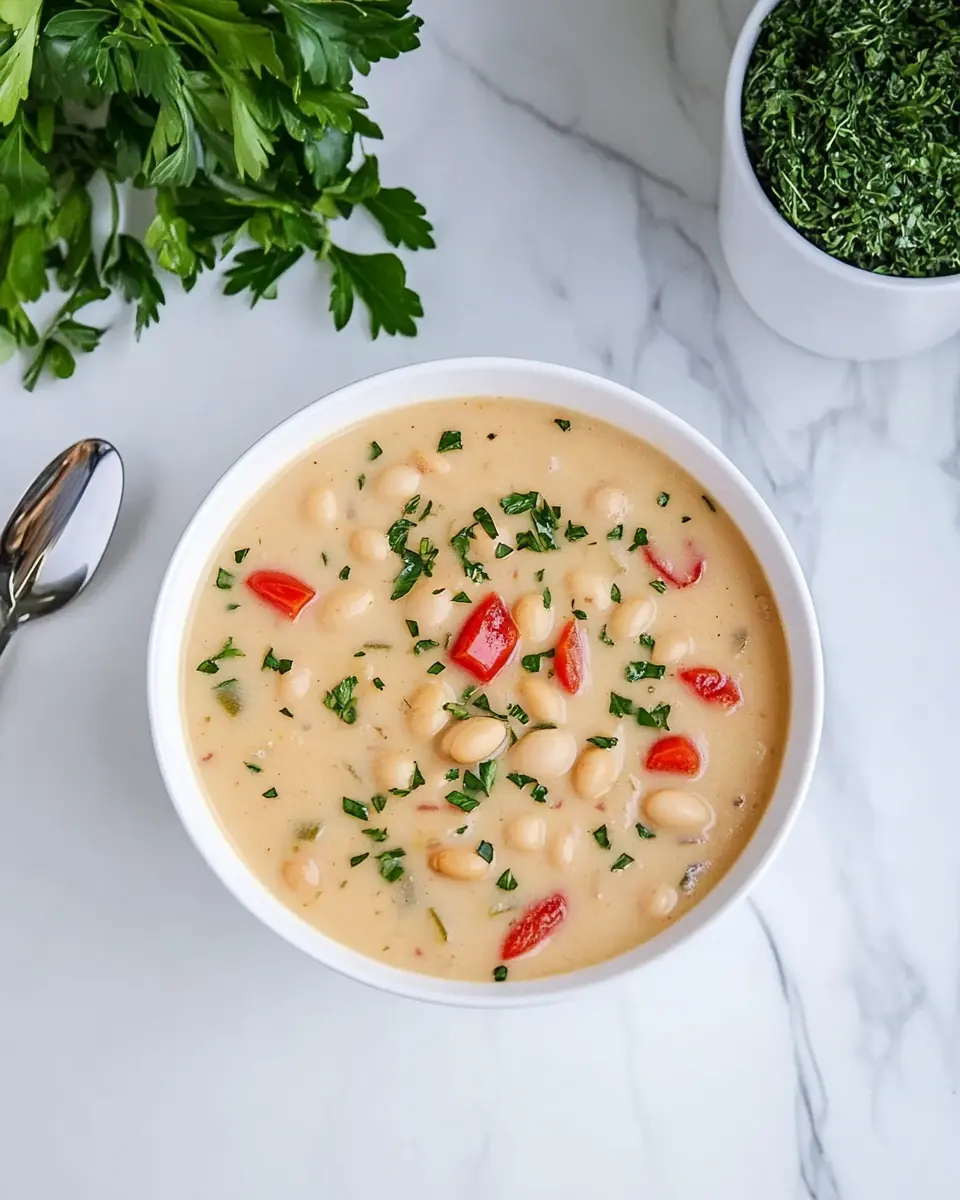
Transfer 1/3 of the bean and potato mixture into a blender, with the help of a slotted spoon. Blend on low speed, adding a ladle of stock from the pot at a time, until reaching the desired creamy consistency. Transfer the creamed beans mixture back into the pot and stir to combine. If you'd like your soup thicker, continue to simmer the soup on low heat until reaching the desired consistency.: When you scoop out a portion of the pot, notice the contrast between the steamy liquid and the soft solids; blending these cooked pieces with a bit of the hot stock creates a lush, velvety emulsion. Blend slowly, adding stock by the ladle so the mixture smooths without splattering, and listen for the blender's steady hum rather than a frantic roar. The resulting puree should be glossy and thick enough to coat a spoon, which will thicken the remaining soup without losing all textural interest. Return it to the pot and stir until it integrates seamlessly; you will see the broth take on a creamier body and a slightly deeper color. If the soup is thinner than you prefer, a gentle simmer will reduce some liquid and concentrate flavor, but watch closely because excessive boiling can darken the taste and over reduce the volume. Be careful when blending hot liquid, use a towel over the lid if needed to prevent steam escape and splashes.
Divide the soup into bowls, swirl the remaining extra-virgin olive oil on top and sprinkle with extra fresh thyme leaves. Serve with grilled bread or croutons.: Ladling the soup into warmed bowls releases savory steam and offers the first sensory reward, the heady smell of warmed thyme and garlic . A glossy swirl of extra-virgin olive oil on each bowl adds richness and a peppery top note, while fresh thyme leaves scattered over the surface brighten the aroma and presentation. The contrast of a crisp, golden grilled bread or crunchy croutons provides textural play against the soup's silkiness and invites dipping. Serve immediately while the soup is hot, because the contrast between warm soup and toasted bread is part of the appeal. Avoid letting bowls sit too long before serving, as the bread will soften and lose its crunch.