Preheat oven to 375 degrees Fahrenheit (190 degrees Celsius).: You should feel the anticipation of baking, and the warm oven helps develop a golden top; why this matters is the heat transforms the sauce surface into a slightly caramelized, bubbly crust. Listen for the quiet hum of the oven as it stabilizes, and avoid opening the door constantly, which can cause uneven browning. Common mistake to avoid is setting an incorrect temperature, which leads to underbaked or overbrowned results.
Boil the pasta until al dente, according to package directions. Drain. If it's going to be awhile before you make the sauce, toss in a little butter or olive oil to help keep the pasta from sticking together.: As the pasta cooks you'll notice it swell and the center soften but still hold a bite, the ideal texture for absorbing sauce. The salted boiling water seasons the pasta from within, and cooling too much can cause clumping, so toss with a touch of fat if you pause. A common pitfall is overcooking, which yields mushy pasta that will break down when baked.
In a large saucepan over medium heat, melt the butter. Add the flour, dry mustard, salt, and black pepper. Stir constantly over medium heat for about three minutes.: You'll smell the butter soften and the raw flour aroma fade as it cooks into a light roux, which is essential for a smooth sauce. This short cooking time removes the raw flour taste while allowing the mustard and spices to bloom, deepening the background flavor. Stir to avoid scorching, as burned roux will taint the entire sauce, a frequent error to watch for.
Switch to a whisk and continue stirring while slowly pouring in the milk. Whisk frequently for about 5 minutes, and then constantly for another 5 minutes or so, until the sauce heats and thickens.: As the cold milk hits the warm roux you'll see the texture go from thin to silky and then to a light coating that clings to the whisk, and you may smell the milk sweeten as it heats. Consistent whisking prevents lumps and encourages even thickening; if you stop, pockets of flour can form, which is the usual mistake. The right thickness is when the sauce ribbons from the whisk and slowly settles back into the pan.
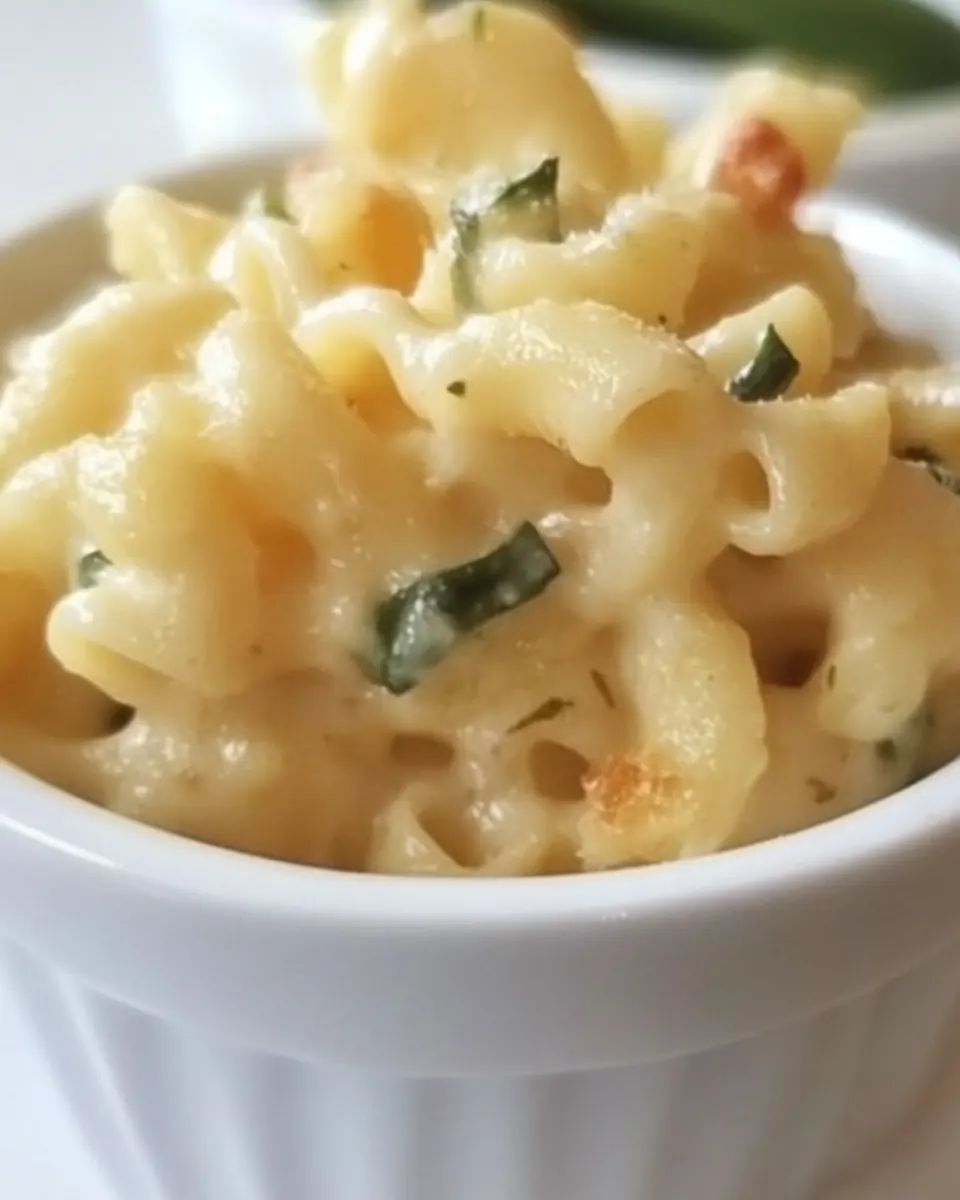
Remove from heat and stir in 1 cup of the smoked cheddar, 1 cup of the medium cheddar, jalapeno peppers, and Tabasco sauce, stirring until the cheese has melted.: Off the heat, the cheeses fold into the warm sauce and melt into a glossy, cohesive emulsion; you will notice the sauce becoming silkier and gaining a richer color. The chopped jalapeno releases a bright, vegetal perfume that cuts through the richness, and the Tabasco introduces a subtle tang. Avoid returning the pan to high heat while adding the cheese, because excessive heat can make the cheese seize and become grainy, a common issue.
Add the pasta and toss until completely coated with the jalapeño cheese sauce.: The moment you combine pasta and sauce you should see every curve and surface shine with coating, and the pan will emit a warm, inviting scent of melted cheddar and spice. Tasting at this stage helps you balance salt and heat, which is crucial because the flavors concentrate in the oven. Overmixing can break pasta, so toss gently to maintain structure.
Add half the pasta to a two quart casserole dish and sprinkle on half of the remaining cheeses.: Layering helps create pockets of melted cheese and gives the final bake more visual and textural interest. As you assemble, pay attention to even distribution so each portion gets a fair share of cheesy topping. A common mistake is piling too much in one area, which results in uneven browning.
Add the remaining pasta and sprinkle on the remaining cheese.: Finish the assembly with an even layer that will bubble and form a golden surface in the oven, and you will hear gentle sizzling as the cheese starts to melt. This final layering step is where the dish gains its iconic baked appearance, and uneven cheese coverage can lead to some sections drying out, so scatter the cheese uniformly.
Place in the oven and bake uncovered for 25-30 minutes, until bubbly and golden brown.: During baking you will see steam rise and hear a faint crackle as the top bubbles, then watch for the edges to turn a delicious golden brown. The oven finish caramelizes the top and concentrates flavors, producing that irresistible contrast between creamy interior and crisp surface. Avoid underbaking, which leaves a weepy sauce, and overbaking, which can dry the pasta; check at the 25 minute mark and adjust as needed.