To prep the kale and swiss chard, tear the leaves from the stems. We’re going to sauté the stems first: they hold a ton of flavor and tend to be more fibrous so they need a bit of extra care and love. Cut the stems into a small dice and set aside. Loosely chop up the kale and swiss chard leaves and also set aside.: Warm, vegetal scents emerge as you separate the parts, and you will notice the stems are firmer and paler than the leaves. Use a firm hand to dice the stems into small pieces so they soften evenly during sautéing, which prevents chewy bits in the finished soup. A common mistake is leaving stems too large, which leads to unpleasant fibrous textures, so aim for small dice for even cooking. Keep the leaves loosely chopped so they wilt quickly and mingle with the broth evenly rather than becoming stringy.
In a dutch oven or large pot, heat about three tablespoons of olive oil over medium heat. When the oil hot and visibly glistens, add the shallot and reserved kale and swiss chard stems. Sprinkle the stems with a teaspoon of salt and red pepper flakes and mix. Sauté for about 8 to 10 minutes, until they’ve become softened. If needed, add a bit more oil and turn the heat down to medium-low. Give them a stir every so often.: The oil should shimmer and spread when ready, giving off a faint fruity aroma, which signals proper temperature for sautéing. When you add the minced shallot and reserved stems, they should sizzle gently, releasing sweet and toasty aromas that build the soup's foundation. Stir frequently to coax even browning, and if the pan looks dry add a touch more olive oil , as aggressive browning can turn bitter. If the shallots begin to brown too fast, reduce to medium low to preserve their sweet notes.
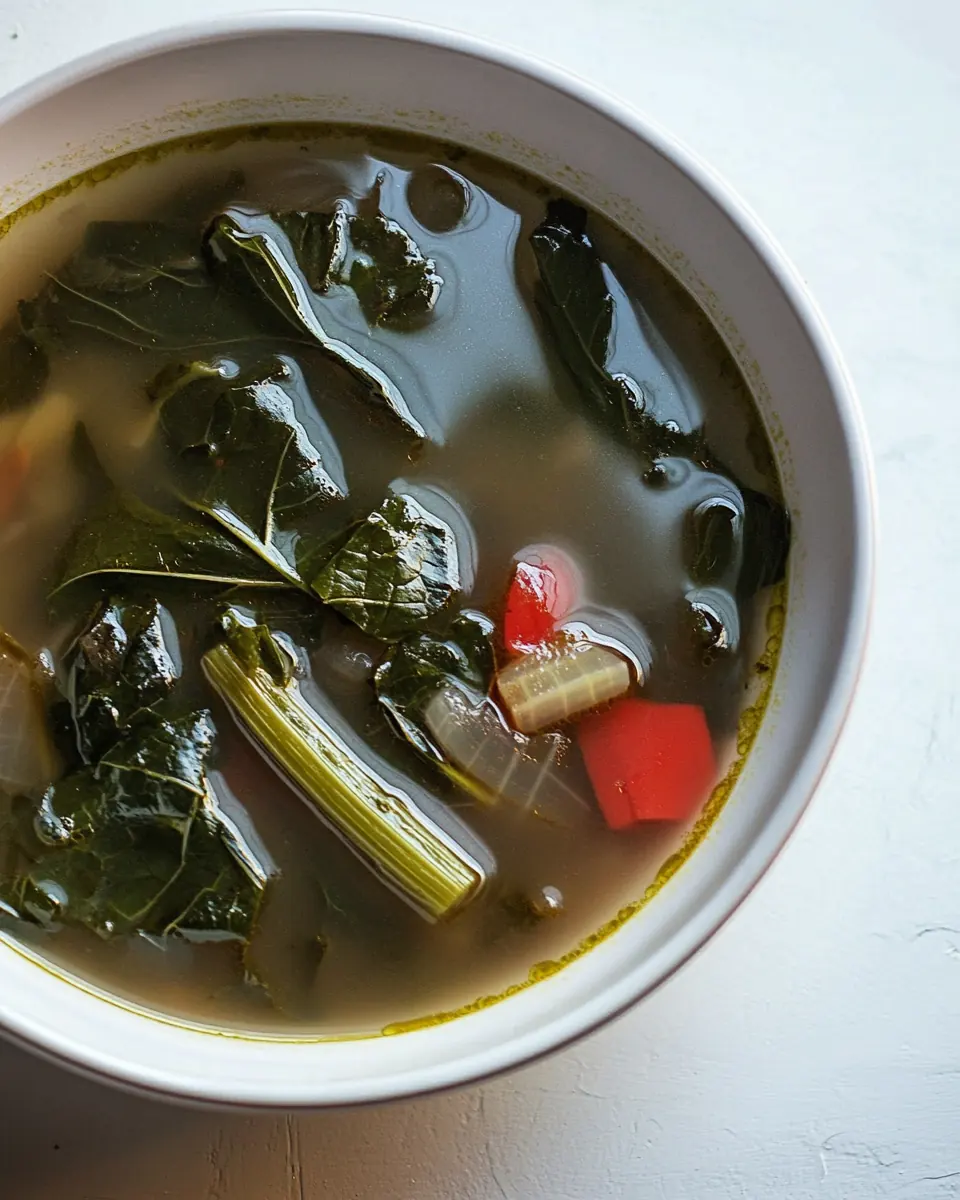
Add kale and swiss chard leaves along with 6 cups of filtered water. Add an additional teaspoon of salt; cover the pot and cook for 30 minutes, until the leaves are wilted and soft. Give it a taste and stir in more salt to taste (I added about 1 teaspoon). Cook for an additional 10 minutes. Stir in lemon juice.: The initial salting pulls moisture from the stems, creating a whisper of steam and concentrating savory flavors into the pan, while the crushed red pepper flakes add a subtle background warmth. You will hear a soft hiss as the water released by the stems evaporates, and the scent becomes richer and slightly caramelized. Avoid over salting at this stage, since you will adjust seasoning later after the broth forms; too much early salt can make the final potlikker flat.
While the pot likker is cooking, sauté the sausage and slice (if using). Stir in the sausage and divide the soup between bowls. If adding an egg, place an egg into each bowl. Serve immediately. Soup will keep in an airtight container in the fridge for 4-5 days. Bonus: This soup heats up really well. It’s a good one to make at the beginning of the week and eat throughout.: You will notice the stems begin to lose their raw sharpness and take on a tender, slightly translucent quality, and the pan will carry a nutty aroma, signaling developed flavor. This step builds primary savory notes and breaks down fibrous tissues so the stems contribute body, not chewiness, to the soup. A typical error is rushing this step which leaves the stems tough, so give them the full time and watch for tenderness, not color alone.
Add kale and swiss chard leaves along with 6 cups of filtered water: As the leaves hit the pot, a burst of green steam will perfume the kitchen and the color of the broth will begin to tint emerald. The hot water extracts chlorophyll and minerals, creating the potlikker, which is the soul of the soup. Stir to combine so the leaves begin to wilt immediately, and resist over stirring which can bruise the leaves and make the broth cloudy.
Add an additional teaspoon of salt; cover the pot and cook for 30 minutes, until the leaves are wilted and soft: Covered cooking traps steam and encourages gentle breakdown of the greens, resulting in a tender texture and concentrated broth. During this time the flavors meld and the potlikker deepens, smelling richly vegetal with a hint of sweetness from the stems. Check once halfway to ensure gentle simmering and to taste, because under seasoning at this stage leads to a final bowl that tastes flat; adjust carefully.
Give it a taste and stir in more salt to taste: Tasting here lets you calibrate the final seasoning, as flavors have intensified and the perception of salt changes as the soup reduces. I often add about another teaspoon in total, but it depends on your water and ingredients, so trust your palate; the broth should taste vibrant and balanced, not faint. Be mindful that if you later add chicken sausage , it will bring additional saltiness, so season slightly lighter if you plan to include it.
Cook for an additional 10 minutes: This short finishing simmer allows the flavors to marry and the liquid to settle into a harmonious potlikker, while any late additions like aromatics fully integrate. You will notice the broth develop a deeper, more cohesive aroma and the leaves reach a silky consistency. Avoid prolonged vigorous boiling which can over reduce the broth and concentrate saltiness excessively.
Stir in lemon juice: The bright citrus from the lemon will cut through the richness and awaken the greens, transforming the potlikker from merely savory to lively. After adding the juice, taste and adjust balancing elements, because acid can make other flavors pop; sometimes a touch more salt is needed to round it out. A misstep is adding too much lemon too early which can mute subtle savory notes, so finish with acid at the end.
While the pot likker is cooking, sauté the sausage and slice (if using): Browning the chicken sausage separately creates caramelized surfaces that deliver concentrated meaty flavor when added back to the soup; the sizzle and browned bits are aromatic and savory. Cook until nicely colored and slightly crisp at the edges, which gives textural contrast in the bowl. A common mistake is overcrowding the pan which steams the sausage instead of browning it, so brown in batches if necessary.
Stir in the sausage and divide the soup between bowls: When the browned slices join the pot, they release a final burst of savory juices into the potlikker, enriching the broth and making each spoonful more complex. Serve in warmed bowls so the soup retains heat, and distribute the sausage evenly for balanced bites. Avoid letting the soup sit long in a cold bowl which can dull flavors and cool the potlikker too quickly.
If adding an egg, place an egg into each bowl: A halved boiled egg adds silkiness and an extra layer of creaminess from the yolk that mixes into the broth as you eat. Set the egg gently into the hot soup so it warms through without breaking apart, and the yolk will meld with the potlikker for a luxurious mouthfeel. Overcooking the egg ahead of time can produce a chalky yolk, so follow timing methods for your preferred yolk consistency.
Serve immediately: The soup is best hot, with aromas most pronounced and textures perfect, so bring bowls straight to the table and enjoy. Freshly finished potlikker captures the green brightness and savory depth at their peak, and waiting can dull those qualities. If you need to store it, cool quickly and refrigerate in an airtight container.
Soup will keep in an airtight container in the fridge for 4 to 5 days: As the soup sits, flavors continue to meld and often improve, so this is a recipe that rewards make ahead cooking, but be mindful of salt concentration when reheating. Reheat gently over low to medium heat to preserve texture, stirring occasionally, and avoid high heat which can over reduce the potlikker. A troubleshooting tip is to add a splash of water when reheating if it seems too concentrated.
Bonus: This soup heats up really well : When you reheat, the aromas lift again and the texture softens into a comforting, cohesive bowl that makes great lunches or dinners throughout the week. I often double the batch for convenience, knowing we will be grateful for quick reheats. Watch for excess reduction on subsequent reheats, and add a little water to refresh the broth if necessary.