Preheat the oven to 180 Celsius / 350 Fahrenheit electric or 160 C / 320 F fan.: From the moment you switch the oven on you will notice the warm smell of heated metal and the gentle hum that signals readiness. Preheating ensures the cookies start baking immediately and develop proper edges, rather than spreading thinly; if the oven is cold the texture will be off and cookies may spread too much. A common mistake is not allowing full preheat time, which results in uneven browning. Check that racks are centered to allow even air flow, and if you use a fan oven note the lower temperature given.
Stir together the dry ingredients.: Once you combine almond flour , coconut flour , powdered erythritol, baking powder , and xanthan gum, you will feel the fine, sandy texture under your fingertips. Dry whisking distributes the leavener and sweetener so every bite is balanced. This step matters because clumps of flour or erythritol will create pockets of uneven texture. Avoid over mixing at this stage, which could activate the xanthan gum too much and make the dough gummy.
Add the softened butter, almond extract and mix in a blender until you have a smooth dough.: As the butter incorporates, the mixture will change from crumbly to a cohesive mass and emit a rich, creamy aroma. The blending action warms the fats slightly, so stop once the dough forms a smooth ball. The why here is that even distribution of fat coats the flour particles, yielding that classic shortbread tenderness. A pitfall is overblending, which can cause the dough to become greasy and lose structure, so pulse and scrape down the sides frequently.
Divide the dough into 2 balls and roll out between 2 sheets of baking paper.: When you press the dough it should feel soft but firm, not sticky. Rolling between parchment prevents sticking and allows for an even thickness, which is key for uniform baking. If you roll too thin the cookies will be crisp and lacking in that pleasant tender bite, too thick and they may be underbaked at the center. Watch for cracks at the edges, which signal dryness, and patch them with a little extra dough.
Place the dough in the fridge for 20 or in the freezer for 10 minutes. This will make the dough easier to work with.: Chilling firms the butter , helping the dough hold its shape when cut. You will notice the dough turning slightly paler and more solid to the touch, which makes cutting cleaner and prevents spreading in the oven. Skipping this can lead to misshapen cookies, while over chilling makes rolling harder; if that happens, allow a few minutes at room temperature to ease rolling.
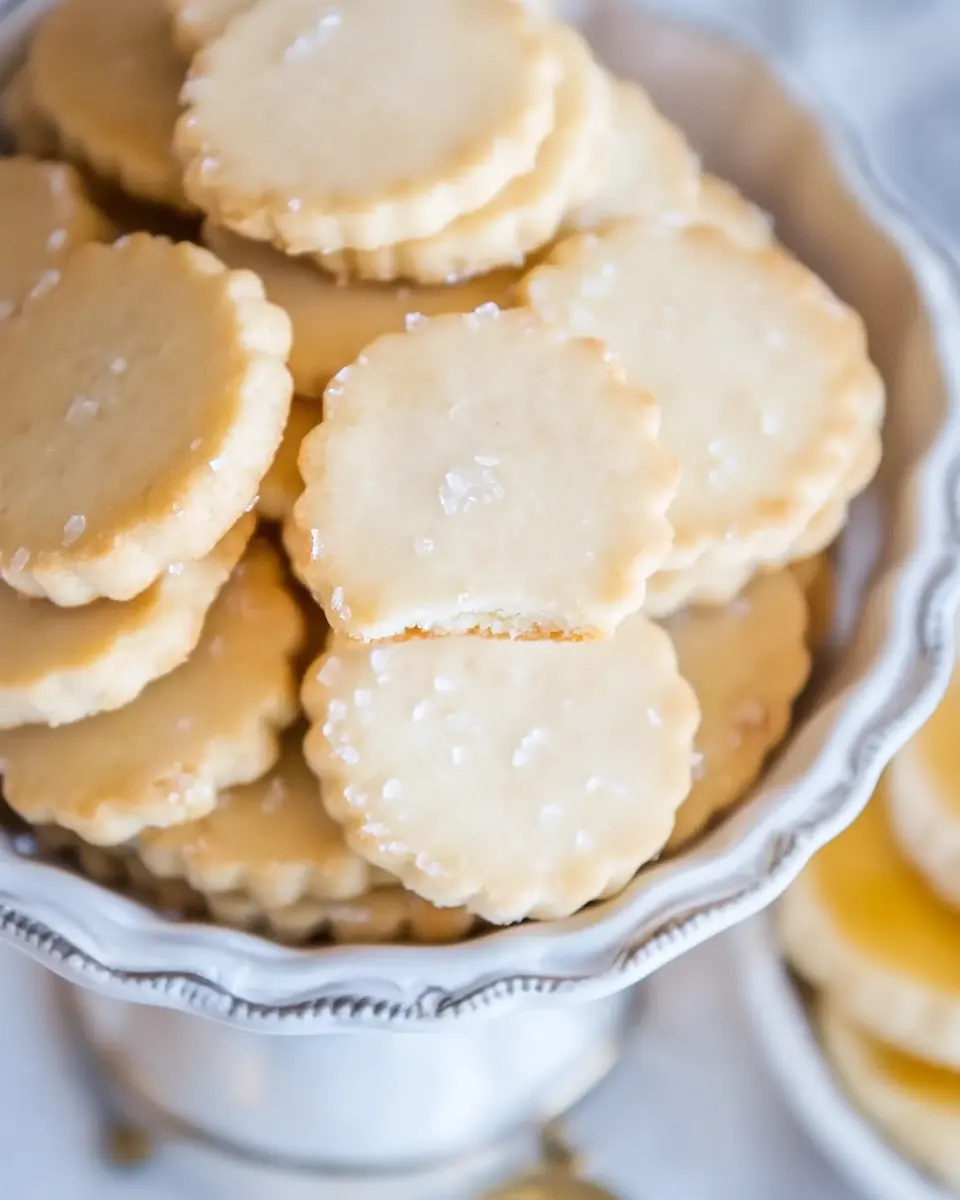
Using a cookie cutter or shot glass to cut shapes.: As you press shapes out of chilled dough you should hear a slight clean release and see crisp edges. This produces a pretty cookie silhouette and even thickness. Press firmly and lift straight up to avoid dragging that can wrinkle the edges. A common error is twisting the cutter, which can seal the dough to the cutter and distort the shape; instead, press evenly and pop the excess dough away.
Place on a baking sheet lined with parchment paper and bake for 6 minutes or until the edges are golden. Let the cookies cool completely.: During baking you will notice a delicate nutty scent as the almond flour toasts and the edges gain color. Six minutes is quick, so watch closely for a faint golden rim, which signals doneness; overbaking will dry the cookie out and reduce the shortbread melt in the mouth quality. Let them cool fully on the sheet for a minute then transfer to a rack; moving them while hot risks breaking them as they are fragile until cooled.
Warm the coconut butter in a pot or in the microwave and stir in the sweetener.: As the coconut butter warms it becomes silky and fragrant, and when you stir in the powdered sweetener it transforms into a glossy glaze. Warm it gently to avoid separating the fats, and whisk until smooth. A common mistake is overheating, which can make the glaze grainy or separate; if that happens, remove from heat and whisk vigorously while cooling slightly to reincorporate.
Spoon over the cooled cookies and wait for the glaze to set.: Drizzling the warm glaze over chilled cookies creates a soft sheen and a delicate contrast between crisp cookie and silky topping. The glaze will remain slightly soft, giving a pleasant mouthfeel that complements the crumbly base. Allow time for it to set so the cookies do not stick together when stored. If you try to stack them too soon the glaze will smear, so be patient and let them rest on a rack until the surface no longer feels tacky.