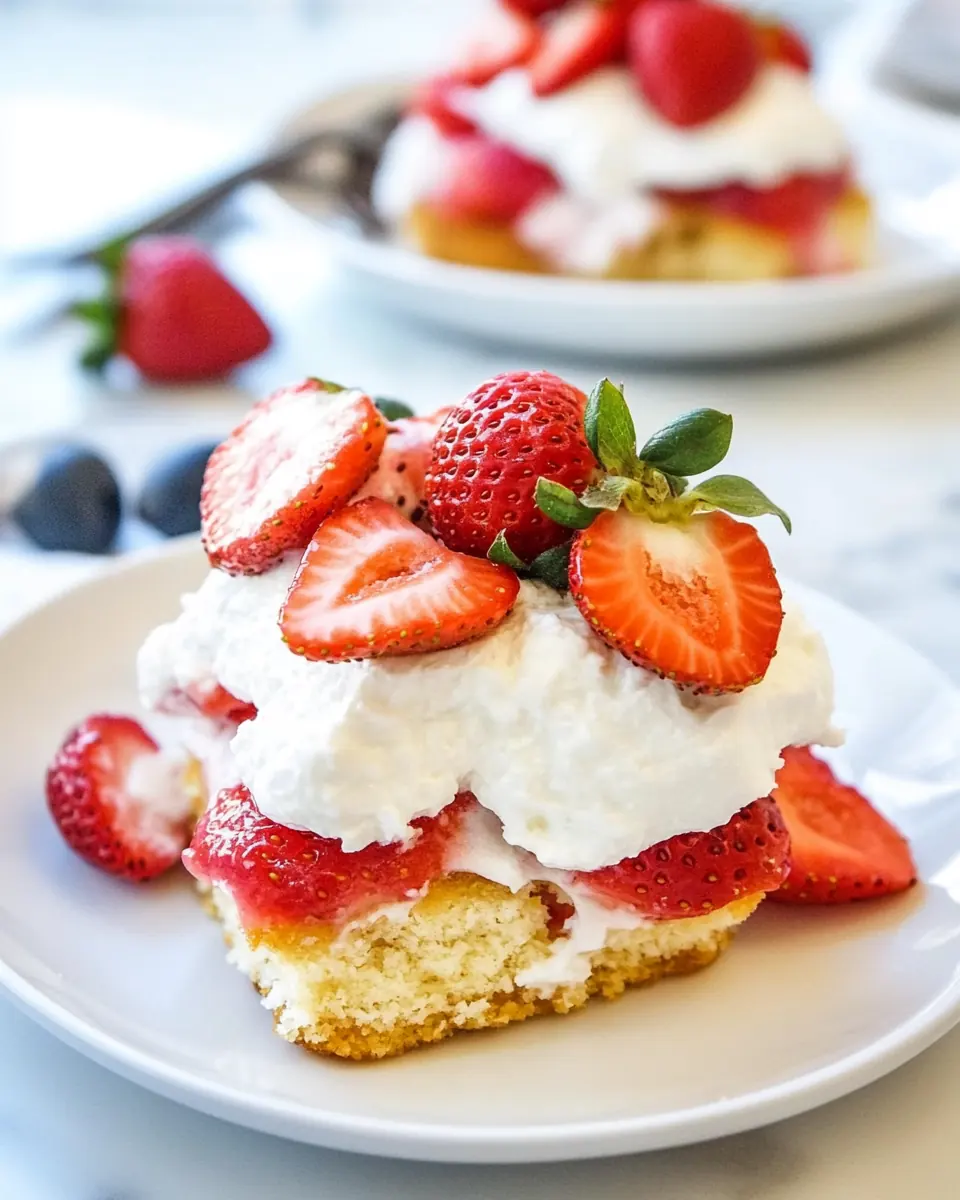
Chop the strawberries and place them in a large bowl. Add in the Truvia sweetener and toss everything together until well-combined. Cover the bowl and refrigerate for 30 minutes or up to 48 hours. You can taste the strawberries for flavor and add more sweetener if desired.: As you cut the strawberries , notice their fresh fragrance and bright color, the juice slightly staining your fingers a rosy pink. Tossing them with the measured sweetener draws out juices and creates a glossy syrup, which should glisten in the bowl. Covering and chilling allows flavors to meld and the fruit to soften without losing structure. A common mistake is using overripe berries, which become mushy and overly sweet, so choose firm yet ripe fruit for the best texture.
Add the dry ingredients (coconut flour, sweetener, baking powder, and sea salt) to a bowl and stir together until combined. Add in the melted (and cooled) ghee, beaten eggs, and vanilla extract and whisk everything together until all the clumps are out and a thick dough forms.: When you whisk the coconut flour , sweetener, baking powder , and sea salt , you’re creating an even base so the wet ingredients integrate smoothly. The dry mixture should look uniform with no clumps, and the aroma will be slightly nutty from the coconut flour . If the dry mix seems lumpy, sift or break up lumps to prevent dense pockets in the dough. Too little mixing can produce uneven texture in the shortcakes.
Preheat the oven to 350 degrees F, and spray a baking sheet with cooking oil.: The bowl will warm as you pour in the cooled, melted ghee and beaten eggs , releasing a toasty scent. Whisk until the dough is cohesive and slightly tacky, thick enough to hold shape when scooped. If the ghee is too hot, it can scramble the eggs, so ensure it has cooled to warm before combining. Overmixing can make the dough too soft, so stop once it’s smooth and uniform.
Measure out a scant 1/4 cup of the shortcake dough and press it into a disc shape with your hands (note: the shortcake will stay the same shape as it goes in the oven). Repeat for the remaining dough to form 6 shortcake biscuits. Bake on the center rack of the preheated oven for 30 to 35 minutes, until golden-brown.: Preheat until the oven reaches a steady 350 degrees F , which creates a reliable environment for even rise and browning. The hot air and dry heat encourage the exterior to develop a golden crust while the interior stays tender. Greasing the baking sheet prevents sticking and helps the underside brown attractively. A common error is placing the pan in a cold oven, which alters bake time and texture, so wait for a full preheat.
While the shortcake biscuits are baking, prepare the whipped cream. You can either use heavy whipping cream or coconut cream for the whipped cream portion. Add the cream (or coconut cream) to a stand mixer along with the sweetener, vanilla extract, and a pinch of sea salt. Use the whisk attachment to beat the cream on high speed until it is very thick and fluffy. Refrigerate until ready to use.: As you portion the dough, it should feel dense but pliable, holding the pressed disc shape without collapsing. Pressing into discs ensures consistent size for even baking, and the edges will firm up beautifully while the centers remain tender. Place them spaced apart so hot air circulates. Avoid making discs too thin, or they will dry out; too thick and they may stay underbaked in the center.
Once the shortcake is out of the oven and has cooled, slice it in half like a hamburger bun and place on a plate. Add desired amount of whipped cream and strawberries. Serve and enjoy!: During baking you will notice a warm, nutty scent as the ghee browns slightly. The tops should develop a light golden hue and the sides will feel firm to the touch when done. A toothpick inserted into the center should come out mostly clean, with a few moist crumbs but not raw batter. Opening the oven too often lowers temperature, so limit checks to preserve even rise.
While the shortcake biscuits are baking prepare the whipped cream: Chill your mixing bowl and whisk if possible; cold equipment helps the heavy whipping cream reach stiff peaks faster. As you beat the cream with sweetener, vanilla, and a pinch of sea salt , you’ll hear the soft roar of the mixer and see the texture change from liquid to billowy to structured peaks. The aroma becomes sweet and milky, and when you lift the whisk the cream should hold a soft peak that slowly folds over. Overwhipping will make it grainy and eventually buttery, so stop when you have thick, glossy peaks.
Refrigerate until ready to use: Cooling the whipped cream keeps it stable while the shortcakes finish; it should feel cool and dense in the bowl. Chilled cream holds its shape better when layered, creating a satisfying contrast with the warm shortcakes. If you leave it at room temperature too long, it will soften and weep, so return it to the fridge until assembly.
Once the shortcake is out of the oven and has cooled slice it in half like a hamburger bun and place on a plate: Cooling is important so the texture sets and you avoid melting the whipped cream. The interior should look tender and slightly moist, while the exterior is a delicate golden crust. Slicing reveals the porous crumb that will absorb some of the macerated berry juices. Cutting too soon while very hot can cause the shortcake to crumble, so allow a brief rest.
Add desired amount of whipped cream and strawberries: Layer a generous spoonful of the thick whipped heavy whipping cream and a spoonful of the macerated strawberries onto the shortcake base, then top with the other half and finish with another dollop if you like. The combination of warm shortcake, cool cream, and tangy berries creates a multi temperature sensation and a delightful balance of textures. Be mindful not to overload, which can make the dessert messy to eat.
Serve and enjoy: Serve on small dessert plates so guests can savor each bite, noticing the interplay of textures and flavors. The shortcake should yield gently when bitten, releasing berry juices that mingle with the whipped cream, creating an inviting mix. A common misstep is serving this too far in advance, which can let the shortcakes become soggy, so assemble close to serving time when possible.