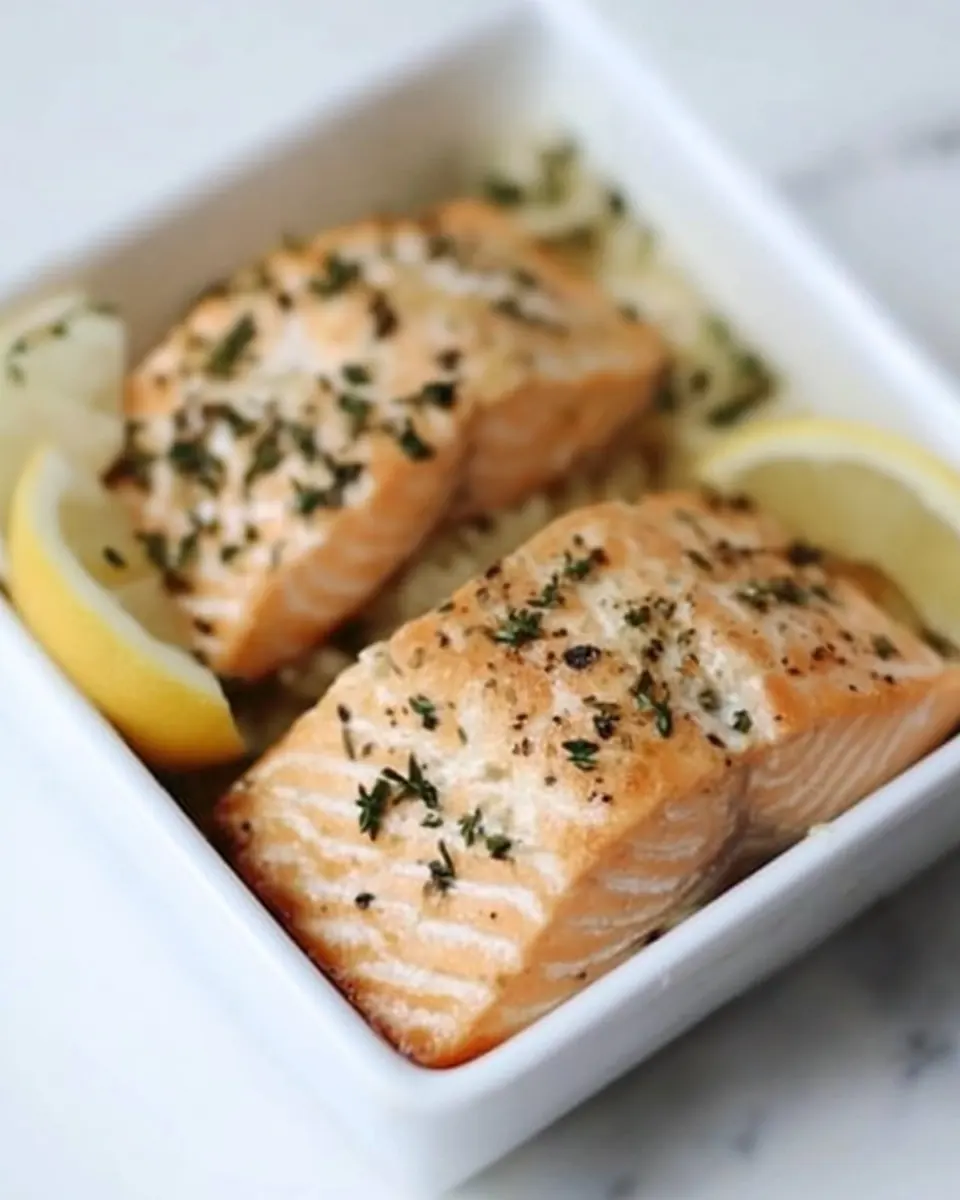
Preheat oven to 350 degrees F. Rinse fish; pat dry. Zest 1 teaspoon of peel from lemon; set aside. Cut lemon in half; juice half the lemon.: The kitchen fills with a bright citrus scent as you zest and squeeze the lemon , a clear sign that fresh aromatics are coming into play. Zesting releases essential oils that cling to the salmon , giving faint fragrance when the fish is hot. Patting the fillet dry is essential so the surface sears properly, creating slight caramelization and an appealing texture. If the fish is too wet it will steam instead of sear, so take your time here. A common mistake is skipping the dry step, which yields a dull exterior and less flavor contrast.
In a small bowl combine the lemon peel, herbs, salt, and pepper; stir to combine. Spread evenly over the salmon.: The aroma of dried tarragon and fresh dill mingling with the citrus oils will be noticeable and bright, and that scent will transfer directly to the fish. Spreading the mixture rather than piling it ensures every bite has balanced seasoning, so you get consistent flavor across the fillet. Use a gentle pressing motion to help the zest and herbs adhere to the fish surface. One thing to watch for is uneven distribution, which causes some bites to be bland and others too strong.
Heat butter in a 12-inch nonstick oven-going skillet over medium heat. Add salmon, herb side down. Cook for 3 minutes or until golden brown.: As the butter melts and foams, you will smell a nutty, savory note that signals the right pan temperature. Placing the fillet herb side down first locks in the herb oils and helps form a golden crust. You should hear a gentle sizzle, and after about three minutes the underside becomes lightly bronzed and fragrant. This sear contributes texture and depth of flavor that carries through the bake. Avoid moving the fish early, which can tear the flesh and prevent proper browning.
Flip salmon; drizzle with lemon juice. Place pan in oven and bake for 3 to 7 minutes or until fish flakes easily when tested with a fork.: The kitchen brightens with warm lemon vapor as the juice hits the hot pan, enhancing aroma and adding acidity to balance the buttery sear. The oven finish gently cooks the center so the fillet stays tender and moist, rather than drying out. You will see the flesh turn opaque from the edges inward, and a fork should separate the layers with minimal resistance when it is done. Overbaking leads to a dry texture, so check at the earlier end if your fillet is thin. A frequent error is relying solely on time rather than visual cues.
While salmon is baking, prepare the rice according to package directions.: The steam rising from the pot has a comforting, nutty rice aroma that complements the citrus in the pan. Preparing the rice pilaf while the fish finishes allows everything to come together hot and ready, so the pan juices can be spooned over the rice at service. Keep the heat gentle so the pilaf stays fluffy rather than gummy. A common pitfall is boiling too vigorously, which can overcook or stick the rice.
Saute or steam asparagus.: The bright green color and grassy, slightly sweet scent of the asparagus should be vivid when done, and the texture should be tender crisp. Quick sauté with a touch of the reserved pan juices or a light steam preserves color and snap. Listen for a faint sizzle when sautéing, and look for the tips to soften slightly while the stalks remain firm. Overcooking makes them soft and dull, losing the pleasant contrast to the fish.
Transfer salmon to serving plates; drizzle with pan juices.: Lifting the fillet releases an immediate waft of butter, herb, and citrus aroma that makes the dish feel complete. Drizzling the reserved pan juices enhances richness and ties the plate together, adding glossy, savory notes. Use a gentle lift to keep the fillet intact, and spoon the juices along the top so each bite benefits. Be mindful not to drown the fish, as too much liquid can make it soggy rather than succulent.
Serve salmon with rice pilaf, asparagus and pineapple.: The final plate combines warm, flaky salmon with the fluffy rice pilaf , the bright snap of asparagus , and the juicy sweetness of pineapple . The contrast of textures and temperatures makes each forkful interesting. Arrange components so children can pick and choose, which often helps with picky eaters. A misstep here is serving everything at mismatched temperatures, which can dull flavors, so aim to have the sides ready as the fish finishes.