To make the syrup, melt the sugar in water over low heat until fully dissolved. Set aside to cool.: The room will fill with a faint sweet steam as the sugar dissolves into water , a clear, glossy liquid forming as crystals vanish. Keep the heat low so you only see tiny ripples rather than a roiling boil, because gentle warming prevents any caramel notes that would change the flavor profile. Stir occasionally with a clean spoon, listening for the soft whisper of liquid moving around the pan. Once the crystals are gone and the syrup looks smooth, slide the pot off the heat and let it cool until it is tepid, not hot, before you combine it with flours. If you add hot syrup to flour too soon, you risk clumping and uneven texture, so patience here avoids a gritty batter. A common mistake is walking away and letting it cool too long to become syrup-thick, which will alter final hydration, so aim for lukewarm.
Cut the pandan leaves into small pieces. Combine the leaves and water in an electric blender and blend for 1-2 minutes. Strain the pandan juice through a fine sieve, then add the lye water to the juice. Set aside.: As you chop the pandan , its green scent becomes stronger, almost grassy and sweet. Blending with the measured water releases that aroma into a vivid green liquid; you should watch the color deepen and the scent intensify inside the blender. Straining separates plant fibers, leaving a silky, fragrant juice. When you stir in the small amount of lye water, do so gently and in a well ventilated space, because it changes the liquid chemistry to help the cake set. The juice should smell fresh, not soapy; an off scent signals too much alkali or overblending. A frequent error is not straining thoroughly, which leaves bits that show up as texture in the cake, so use a fine sieve and press to extract as much clear juice as possible.
In another bowl, combine the rice flour and tapioca flour. Slowly pour in the pandan juice mixture while stirring continuously until well blended. Then, add the syrup.: When you mix the dry rice flour and tapioca flour , they look like a pale, powdery canvas ready to accept liquid. Pour the pandan juice in a thin stream while whisking, which keeps lumps from forming and brings the batter to a smooth, glossy suspension. The batter will take on a vibrant tint and smell of pandan; its viscosity should be pourable but not watery. Adding the cooled syrup last lets you control sweetness and hydration, making it easier to reach the perfect batter thickness. If the mixture seems too loose, let it rest briefly so flours absorb liquid; if too thick, add a tiny splash of water. Avoid dumping liquids quickly, because that creates lumps and an uneven crumb.
Cook the flour mixture over low heat until slightly thickened. Remove from heat and pour into small tea cups. Steam on high heat for 15 minutes. Remove the Kuih Kosui immediately after steaming.: As you gently heat the batter, a soft transformation happens: the mixture darkens slightly and thickens, giving off a faint toasted scent of cooked starch. Stir continuously to prevent scorching, and when it clings to your spoon in a ribbon, it is ready. Pour into small, lightly greased tea cups to create neat portions, and arrange them in a steamer with room for steam to circulate. Steaming on high ensures even set. You will hear a steady hiss rather than a furious roar; that balanced steam cooks the center without drying edges. After fifteen minutes, the cakes should spring back when touched lightly, signaling they are set. A common pitfall is oversteaming, which can yield a gummy interior, so time carefully and check the texture right at the end.
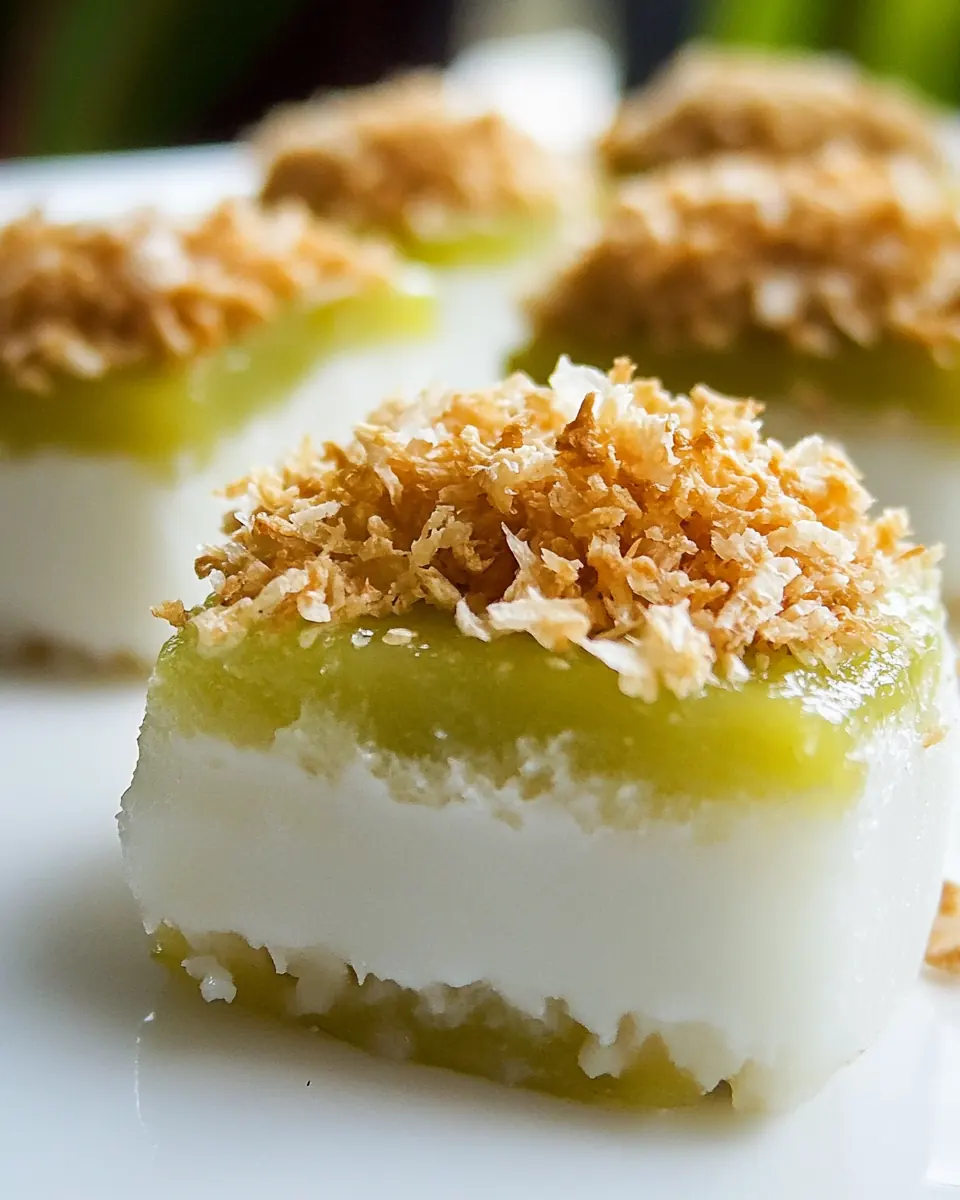
Let the Kuih Kosui cool at room temperature for at least 6 hours before removing them from the tea cups. To serve, add freshly grated coconut on top of the Kuih Kosui.: The cooling stage is where patience rewards you, as the flavors meld and the texture firms into that perfect tender chew. Leaving the cups undisturbed allows steam to dissipate slowly, preventing sogginess and making unmolding easier. When you finally run a thin knife around the edge and invert, the cake should hold its shape with a slight wobble. Top each portion with a generous sprinkle of freshly grated coconut to add creamy contrast and a fragrant finish. Avoid trying to unmold too soon, as the cake can stick and tear; the six hour rest prevents that. A frequent mistake is refrigerating immediately, which changes texture and can make the cake too firm and less pleasant.