Go Back
Lasagna Casserole

Lasagna Casserole

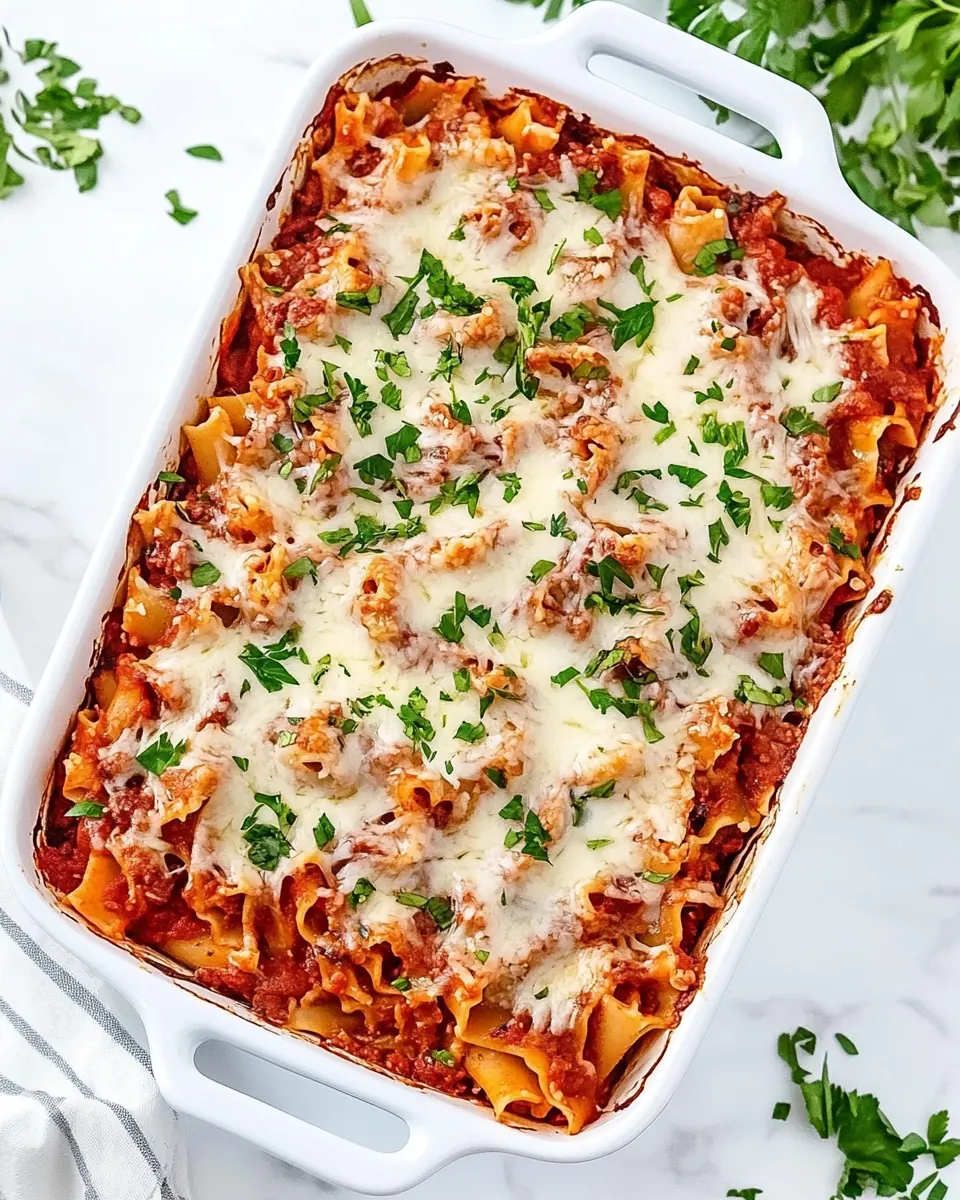
Lasagna Casserole is a creamy, cheesy, and easy weeknight dinner that layers hearty pasta, savory browned beef, and a bubbling blanket of mozzarella. This casserole delivers comforting texture and rich tomato flavor without the fuss of lasagna sheets, perfect for feeding a crowd or saving for lunches. Make it when you want effortless, crowd pleasing comfort food that reheats beautifully.
Prep Time 20 minutes
Cook Time 20 minutes
Total Time 40 minutes
Servings: 8 servings
Course: Dinner
Cuisine: Italian
Calories: 450

Ingredients
  

  • 12 ounces campanelle pasta, bow-tie or penne noodles Boil to tender yet firm texture so it holds sauce and layers in the casserole; choose campanelle, bow-tie, or penne for nooks that capture sauce. Rinse briefly to stop cooking and toss with a little oil to prevent sticking before assembling.
  • 1 tablespoon olive oil Sauté to infuse the dish with a fruity, savory base and help cook aromatics; olive oil also prevents meat from sticking while adding a pleasant Mediterranean note. Measure carefully as it contributes to mouthfeel without overpowering other flavors.
  • 1 cup chopped yellow onion Sweat until translucent to build sweetness and depth in the sauce; chopped yellow onion provides a mild, caramelized backbone to the casserole. Chop uniformly so it cooks evenly and distributes flavor throughout the layers.
  • 4 cloves garlic, minced Mince finely to release bright, pungent aroma and flavor that permeates the meat and sauce; garlic adds savory complexity and a slight bite. Add toward the end of sautéing to avoid burning and turning bitter.
  • 1 pound ground beef, or Italian sausage Brown thoroughly to create savory Maillard flavors that deepen the overall sauce profile; choose ground beef or Italian sausage based on desired spice level. Drain excess fat if necessary to prevent a greasy casserole and ensure proper texture.
  • 1 (26-ounce) jar marinara sauce Simmer to provide the tomato base and cohesive sauce that melds with pasta and cheeses; a 26-ounce jar offers concentrated flavor and convenience. Taste and adjust seasoning while simmering so the sauce complements the other components.
  • 2 -4 tablespoons chopped fresh basil Chop fresh to add bright herbal notes and a lively finish; 2 to 4 tablespoons adjust intensity based on preference. Stir in near the end of cooking or sprinkle on top to preserve fresh color and aroma.
  • 1/2 teaspoon salt Season to enhance and balance flavors throughout the casserole; 1/2 teaspoon of salt helps bring out sweetness in tomatoes and richness in cheese. Adjust cautiously if using salty cheeses or pre-seasoned meats.
  • 1/4 teaspoon ground black pepper Crack freshly to lend a mild heat and aromatic sharpness that complements herbs and cheeses; 1/4 teaspoon is enough to lift overall flavor. Grind just before use for the best aroma.
  • 1 cup ricotta Spoon in dollops to add creamy texture and tang that mimics traditional lasagna layering; ricotta creates pockets of softness within the casserole. Stir lightly to keep it fluffy, and season if desired before assembling.
  • 2 cups grated fresh mozzarella cheese, divided Grate fresh to provide gooey, melty coverage and a stretchy, luscious topping; reserve some for sprinkling between layers and on top. Using fresh mozzarella enhances meltability and overall cheesiness.
  • 1/2 cup Parmesan Grate finely to contribute nutty, salty savory notes and help brown the top when baked; Parmesan adds umami depth and a sharp finish. Sprinkle sparingly between layers or on top for a flavorful crust.
  • 1 teaspoon Italian seasoning Sprinkle to impart a balanced herb blend that enhances Italian flavors; Italian seasoning brings oregano, basil, and thyme notes without measuring multiple herbs. Use to season sauce or ricotta for consistent flavor throughout.

Equipment

  • Large Pot
  • Skillet or large pot for browning
  • 9×13-inch Baking Dish
  • Mixing Bowl

Method
 

  1. Preheat the oven to 350°F. Spray a 9×13-inch baking dish with nonstick cooking spray.: The oven heat becomes the final coagulant for cheese and sauce, creating that appealing browned top and set structure. You should notice the warm air in the oven and a gentle heat buildup as it comes to temperature. Preheating is essential because a cold oven will slow the casserole setting process, causing excess moisture to remain beneath the cheese. A common pitfall is skipping preheat, which leads to uneven melting and longer bake time. Make sure the oven reads steady at 350°F before you slide the dish in, and use a sprayed 9×13-inch pan so the casserole releases cleanly after baking.
  2. Boil pasta according to package instructions. Drain. If you like a more saucy pasta, start with adding less.: As the campanelle or penne boils, you will hear a gentle rolling sound from the pot and see the pasta swell and become more translucent. Drain when it is just shy of al dente so it keeps body in the oven. The why here is texture control, the pasta will continue to cook in the oven and you do not want mush. A frequent mistake is overcooking the pasta, which causes the casserole to be gummy. If you prefer a wetter casserole, only partially drain or reduce drained time, but remember that excess water will dilute the sauce during baking.
  3. In a large pot, heat 1 tablespoon olive oil over medium heat. Stir in 1 cup onion and sauté 3 to 5 minutes. Add in garlic and cook until onions are tender. Add in one pound ground beef and cook 5 to 7 minutes, or until browned. Drain excess grease, if needed. Stir in 26 ounces marinara sauce, 2-4 tablespoons chopped fresh basil, 1/2 teaspoon salt, and 1/4 teaspoon pepper. Simmer 10 to 15 minutes and then stir in cooked pasta.: Sautéing releases sweet notes from the onion , and the garlic will perfume the pan with warm, savory aroma. When you add the ground beef , listen for sizzling and watch for brown caramelized edges which are flavor gold. Draining grease keeps the sauce from being too oily, and stirring in marinara lets the browned bits dissolve into the sauce for depth. As it simmers, the sauce will thicken slightly and release a rich tomato scent. Simmer until the sauce coats a spoon, this ensures it will cling to the pasta . One common misstep is rushing the browning of meat, which can leave pale, boiled textures and reduce flavor. Take those extra minutes to get good color, and adjust salt after tasting the sauce.
  4. Mix the ricotta, 1 cup mozzarella and 1/4 cup parmesan in a bowl. Add in 1 teaspoon Italian seasoning.: The moment you fold these cheeses together you will notice a creamy, slightly grainy texture from the ricotta , which contrasts with the stretchiness of mozzarella . The seasoning adds herbaceous warmth. Combining them evenly ensures every dollop distributed later is balanced. This step matters because the ricotta mixture creates pockets of creaminess inside the casserole, preventing it from drying out. A mistake people make is over thinning the mix with liquid, which causes it to weep during baking. Keep the mixture thick enough to dollop so it holds shape when layered.
  5. Assemble: Spoon 1/2 of the pasta mixture into the baking dish. Add dollops of ricotta mixture. Spoon the remaining pasta mixture over top. Top with the remaining mozzarella and parmesan. Bake 20 to 25 minutes, or until cheese is bubbly.: Spoon 1/2 of the pasta mixture into the baking dish. Add dollops of ricotta mixture. Spoon the remaining pasta mixture over top. Top with the remaining mozzarella and parmesan. Bake 20 to 25 minutes, or until cheese is bubbly. : When you spoon the first layer, you will feel the weight of the saucy pasta settling in the dish. Dollopping the cheese creates pockets that will melt into creamy streaks when baked, giving pleasant contrasts in each bite. As you add the final cheese, aim for an even blanket so it browns uniformly. In the oven, watch for the cheese to bubble and turn a warm golden hue, and you may hear soft crackling as moisture escapes. This stage locks textures together and develops that desirable crust. Many people err by overpacking the dish which prevents even heating, so leave a little room for bubbling. If the top browns too fast, tent with foil for the remainder of the bake time.
  6. Top with fresh basil to serve.: Adding fresh basil at the end gives a bright, herbal finish that lifts the richness. You will notice a fragrant, almost minty aroma when you scatter the chopped leaves over the hot casserole, and that aroma cuts through the cheese and tomato notes. This finishing touch matters because it refreshes each serving and adds a pop of color. Avoid wilting the basil under high heat by adding it after baking. A common slip is adding delicate herbs too early, which causes them to darken and lose flavor.
Notes

  • Spice it up: Add red pepper flakes when simmering the sauce for a gentle heat that complements the tomato and cheese.
  • Cheese technique: Grate your own mozzarella and Parmesan for better melting and flavor, rather than using pre shredded blends.
  • Make ahead: Assemble the casserole, cover with foil, and refrigerate for up to two days. When ready, bake at 350°F for 35 to 45 minutes until heated through.
  • Swap meats carefully: If using Italian sausage instead of plain ground beef, reduce added salt as sausage is often seasoned.
  • Control sauce amount: If you prefer a saucier result, stir in a bit more preserved marinara with the cooked pasta before assembling.
  • Leftover reheating: Loosely cover with foil and warm in the oven at 350°F about 15 minutes until heated through to prevent drying.