Preheat oven to 350° F.: Warm, oven-centered air creates a predictable environment for roasting; you should feel steady heat when you open the door and the metal pan will be warm to the touch. The reason this matters is that peppers roast evenly when the oven temperature is stable. A common mistake is skipping preheat, which leads to uneven softening. If your oven runs hot, consider lowering the temperature by a few degrees to avoid overbrowning.
Place halved peppers on a large rimmed pan, cut side up. Roast for 30 minutes, or just until nicely softened. Remove from oven. Leave oven at 350° F.: As the peppers roast, you will smell their natural sugars intensify and notice their skins begin to wrinkle. The visual cue to stop roasting is when the flesh gives slightly to gentle pressure but still holds shape. The why is simple, the peppers need to be pliable enough to hold filling but not so soft they collapse. A typical error is overroasting, which results in mushy shells that tear when filled, so check them a few minutes before the time is up.
While peppers are roasting, cook mafalda pasta in salted water to just al dente. Drain and set aside.: The pot will sound lively as the pasta boils and you should taste a noodle, looking for a slight resistance in the center. Cooking to just al dente ensures the pasta soaks up sauce flavors without turning gluey in the oven. Oversalting the water or overcooking the pasta are common slip ups; keep an eye on the clock and taste early.
Also, heat a large skillet over medium heat. Add sausage and let it brown, breaking it up into bite-size pieces with a spatula. When sausage is about half-way browned, add onion and garlic. Once sausage is browned and onion is softened, drain any excess oil from pan. Stir in marinara sauce, Italian herb mix, and 1/8 teaspoon of the black pepper. Fold in cooked pasta. Once thoroughly heated, turn off heat.: As the sausage renders, you will hear gentle sizzling and smell toasted spices; browning creates Maillard flavors that are essential. Adding the onion and garlic mid-brown helps preserve their sweetness and aroma. Draining excess oil keeps the filling from becoming greasy, and folding in the mafalda pasta lets the sauce coat each piece. A typical mistake is crowded pans that steam instead of brown, reducing flavor complexity.
In a small bowl, combine ricotta cheese, grated Parmesan, kosher salt, and remaining 1/8 teaspoon black pepper.: When you mix the ricotta cheese with grated Parmesan cheese , the texture becomes silky and slightly grainy in a pleasant way, and the salt helps release the cheeses' flavor. The reason this step matters is that a seasoned ricotta base prevents the entire filling from tasting flat. Avoid overmixing, which can make the ricotta watery; fold gently just until unified.
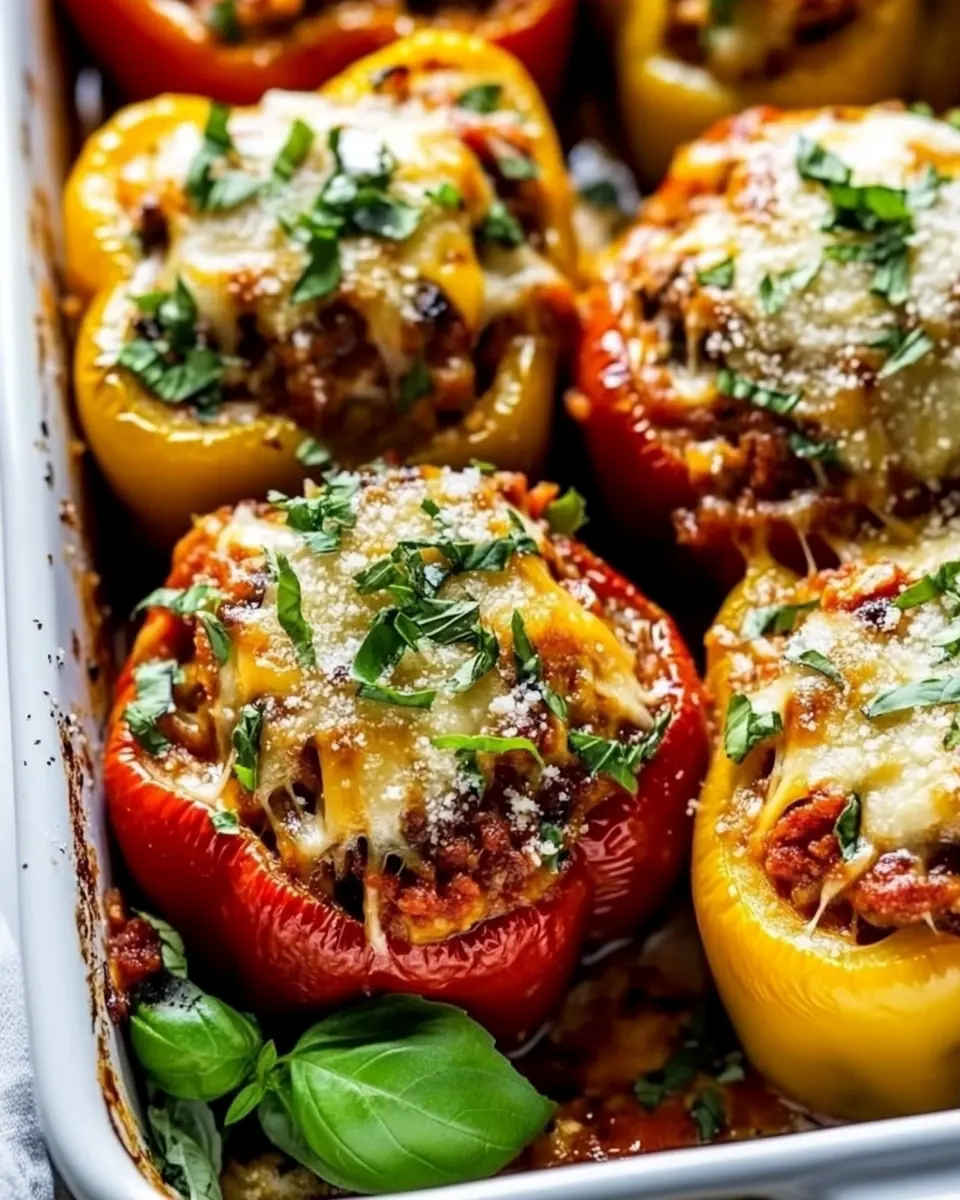
Divide ricotta cheese mixture evenly into the bottoms of each of the roasted pepper halves, spreading just a bit. Top ricotta mixture with a layer of pasta/marinara mixture. Aim to use about half of the mixture, snuggling it into the nooks and crannies of the peppers. Then divide 4 ounces of the shredded mozzarella cheese over the top of the pasta/marinara mixture. Divide remaining pasta/marinara mixture over the mozzarella cheese. Top with remaining 2 cups of mozzarella, dividing evenly among all the pepper halves. Tent very loosely with a large piece of foil, taking care to not let the foil touch the cheese – this will help any exposed noodles to not get hard and crunchy. Bake for 20 minutes. Remove foil and place baking sheet about 8" under broiler and broil until cheese is bubbly and golden and a bit blistered. Remove peppers from oven and let rest 5 minutes before serving. With a zester/grater, grate fresh Parmesan cheese over the top and sprinkle with chopped fresh parsley, if desired.: The ricotta will feel cool and creamy as you spoon it into the warm pepper cups, offering a contrast in temperature and mouthfeel that is delightful. Spreading a thin layer creates a moisture barrier and a creamy base for the pasta. Don’t pile it too high or the pepper won’t have room for the pasta filling.
Top ricotta mixture with a layer of pasta marinara mixture. Aim to use about half of the mixture, snuggling it into the nooks and crannies of the peppers: As you add the saucy mafalda pasta , press it lightly so it settles against the pepper walls. You should see sauce shining on the pasta surfaces, and the peppers will start to look satisfyingly full. This technique ensures each bite has balanced cheese and sauce. The common pitfall is overfilling which causes leaking and uneven baking.
Then divide 4 ounces of the shredded mozzarella cheese over the top of the pasta marinara mixture: Sprinkling this first layer of mozzarella cheese creates a molten barrier that helps the next layer of pasta meld into a cohesive interior. The cheese will begin to soften quickly from the residual heat, becoming supple and glossy. Be careful not to add too much early, which can lead to uneven melting later in the oven.
Divide remaining pasta marinara mixture over the mozzarella cheese: Adding the second portion of the saucy pasta completes the internal layering and ensures sauciness throughout. You will see steam rise as the warm mixture settles; this trapped steam helps the peppers and pasta finish cooking. Watch for sogginess, excessive liquid can make the peppers collapse, so drain the pasta well earlier.
Top with remaining 2 cups of mozzarella, dividing evenly among all the pepper halves: A generous top layer of mozzarella cheese will bubble and stretch when melted, offering that classic browned, gooey finish. The visual cue to look for is even coverage and uniform thickness over each pepper. A frequent misstep is uneven cheese distribution which causes some peppers to brown too quickly while others stay pale.
Tent very loosely with a large piece of foil, taking care to not let the foil touch the cheese, bake for 20 minutes: Tenting traps gentle heat to finish melting and prevents the exposed pasta from drying out, while keeping foil off the cheese avoids sticking and tearing. You will hear a low oven hum and see the cheese begin to settle. Removing the foil too early can lead to the top drying and losing creaminess.
Remove foil and place baking sheet about 8 inches under broiler and broil until cheese is bubbly and golden and a bit blistered: Under the broiler the mozzarella cheese will quickly transform, bubbling and developing golden blisters, and you will smell a toasty, dairy aroma. This high heat finish adds caramelized notes and visual appeal. Stay attentive because broiling happens fast and can go from perfect to burnt in seconds.
Remove peppers from oven and let rest 5 minutes before serving: Resting lets internal steam settle so the filling firms slightly, making them easier to serve. You will notice the cheese settle into glossy ribbons and the sauce calm. Cutting into them immediately could cause loose filling and hot splatters, so patience is the best safeguard.
With a zester grater, grate fresh Parmesan cheese over the top and sprinkle with chopped fresh parsley, if desired: Freshly grated Parmesan cheese adds a final salty brightness while chopped parsley contributes a fresh, green contrast. The aroma will be bright and inviting. Avoid using pre grated cheese for this final step if you want the maximum flavor lift.