Boil 6 cups of water in a large pot set over high heat and salt generously. Add the pasta and cook according to the package until al dente.: The moment you hear that vigorous rolling boil, you will smell the saline steam, and that is your cue to add the pasta . The bubbling water should splash and sing as the dried noodles hit the pot, releasing a faint wheat aroma. Salting the water well seasons the pasta from the inside out, so it should taste slightly salty when you pull a piece to test. Cook until al dente so the noodles retain a slight chew, about the lower end of the package time. Overcooking results in limp, starchy strands that will swell further when mixed with sauce. A common mistake is adding oil to the water, which prevents sauce from clinging later.
While the pasta cooks, heat the butter and olive oil together in a large skillet set over medium-high heat. Add the asparagus and garlic. Stir and cook until the asparagus starts to soften, about 3 minutes.: As the butter melts and the olive oil warms, you will smell a toasty, rich note in the pan; that is the flavor building. When you add the asparagus , listen for a light sizzle as moisture hits the hot fat. Stirring keeps things moving and encourages even browning, and after a few minutes the tips will brighten and become tender but still snap when bitten. Add the minced garlic once the asparagus has softened slightly so the garlic cooks without burning and turning bitter. A typical slip here is cranking the heat too high, causing the garlic to scorch, which will add an unpleasant acrid taste.
Pour in one cup of the pasta water. Add the heavy cream, lemon juice, red pepper flakes, salt, and pepper and let it cook down until the pasta is ready.: When you ladle in the reserved starchy water, the surface will swirl with a cloudy sheen; that starch is the secret to a cohesive sauce. The heavy cream will mingle with the water and thicken slightly as it simmers, giving you a glossy coating. The first bright pop of lemon will cut through the richness, and the red pepper flakes provide background warmth. As the mixture reduces, inhale the melding aromas, they are a good gauge of readiness. Watch for too vigorous a boil, because overreduction can concentrate salt and cause separation. A common issue is adding cold cream straight from the fridge, which can shock the sauce; allow it to warm briefly in the pan so it incorporates smoothly.
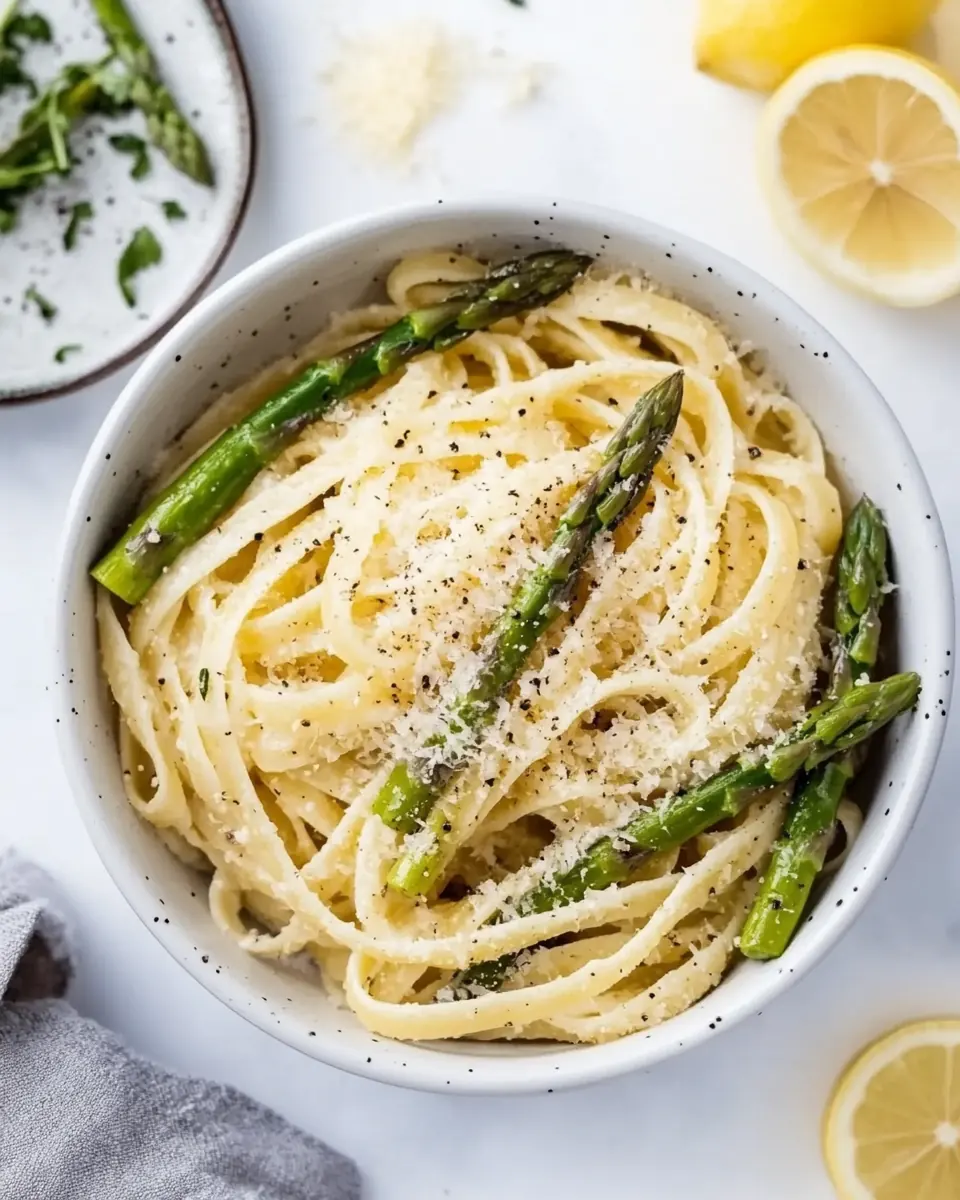
Drain the pasta and add it to the skillet. Toss to combine and sprinkle with Parmesan cheese. Serve with fresh parsley and lemon wedges.: Once you drain the pasta , it should glisten and carry a hint of starch, ideal for tossing into the skillet. As you fold the noodles into the sauce, you will notice the strands pick up the creamy coating and the aroma of Parmesan cheese melting into the mixture. Toss firmly so the sauce emulsifies and clings to each piece, and add a splash more reserved pasta water if you need a silkier texture. Finish with chopped parsley for brightness and offer lemon wedges so diners can add extra acidity. Be careful not to let the finished pasta sit too long in the warm pan, or the sauce will thicken excessively and become gummy; serve promptly for best texture.