Preheat the oven to 350° F. Line a 9×13 inch baking dish with parchment paper and set aside.: As the oven warms and the air takes on a gentle dry heat, you will feel the kitchen shift into focus, readying for baking. The temperature ensures the crust bakes quickly enough to set without overbrowning, and the filling will cook at a steady rate. A common mistake is placing an unlined pan in at this stage which can cause sticking, so line a 9x13 inch baking dish with parchment paper first to make removal easy. Listen for the oven click and watch the dial, because accurate heat means consistent texture later.
Add the butter to a large mixing bowl. Add in the granulated sugar and use a hand-held mixer or whisk to cream together the butter and sugar until well-combined.: The tactile act of smoothing parchment into the pan makes later slicing effortless, and it prevents the buttery crust from sticking. Properly fitted parchment will come out in one piece, carrying the baked slab for cooling. Avoid crinkling the paper too much, as deep folds can create uneven crust thickness; press it gently so the base is flat and even.
Mix in the flour and salt.: When you combine the slightly cooled melted unsalted butter with sugar, the bowl will gleam, and the butter's rich aroma will become noticeable. The warmed fats make it easier to incorporate the dry ingredients evenly. A trap to avoid is using butter that is too hot, which can make the flour clump; let it cool a touch until it is warm but not steaming before mixing.
Press the crust into the bottom of the prepared baking pan and bake for 15-20 minutes, or until just beginning to lightly brown around the edges. While the crust is baking, prepare the filling.: As you beat, the mixture will lighten subtly, and the sugar will start to dissolve into the fat, creating a cohesive base. Creaming gives the crust a delicate crumb, promoting browning and structure. Overbeating can incorporate excess air and change texture, so mix just until uniform; scrape the bowl so no dry pockets remain.
Add the eggs and sugar to a large mixing bowl. Use a hand-held mixer to mix the eggs and sugar until well-combined.: When the all purpose flour and sea salt meet the butter mixture, the texture will shift from glossy to gently sandy. Use a spatula or low speed to combine until no streaks of flour remain, taking care not to develop gluten which would make the crust tough. If you overwork this stage, the crust can become dense rather than tender, so fold until just incorporated.
Add in the lemon juice and vanilla and mix until well-combined. Mix in the flour until combined.: Pressing the dough evenly creates a uniform base that bakes predictably. As it bakes, small nutty aromas will come forward and the edges will take on a pale golden hue, your key visual signal. Avoid pressing too thinly which can cause a crispy, brittle base, and do not underbake, otherwise the filling may soak into a raw crust.
Pour the filling mixture over the cooked crust and return to the oven to bake for 20-22 minutes, or until the filling is set.: This step lets the crust set while you work in rhythm on the filling, maximizing efficiency. The counter will hum with citrus scents as you juice lemons and the kitchen will feel organized. A frequent oversight is rushing the filling assembly while the crust is still very hot, which can make the eggs scramble when poured, so give the crust a minute to cool.
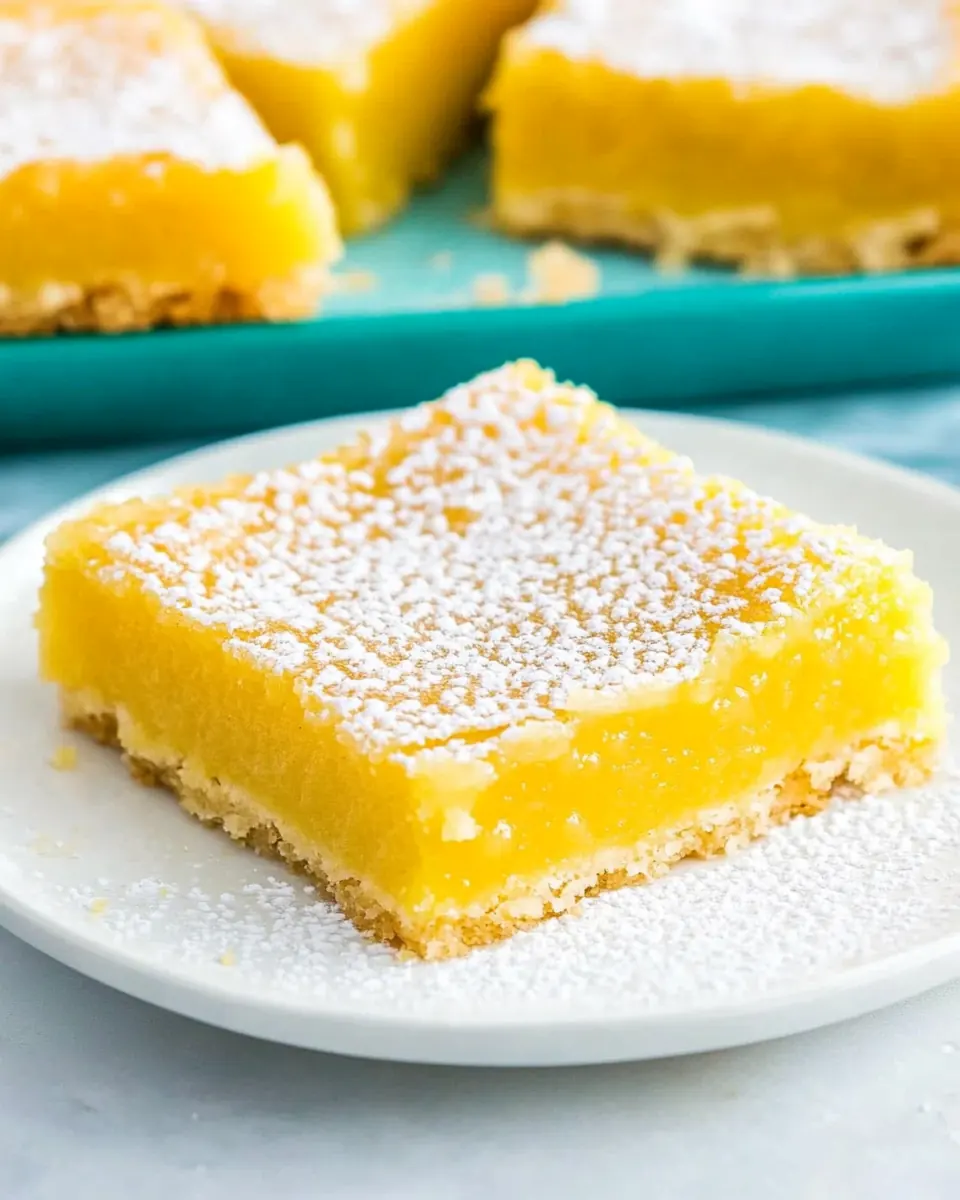
Remove from the oven and allow to come to room temperature before placing in the fridge to chill for 2 hours. Dust the bars with powdered sugar if desired and remove from pan before cutting into squares.: When you beat large eggs with granulated sugar , the mixture will become glossy and slightly thickened, trapping air and creating a custardy body. This emulsion is important for texture, and using room temperature eggs helps them combine smoothly. Cold eggs can cause uneven mixing, and under-mixing can leave grainy pockets of sugar.
Use a hand-held mixer to mix the eggs and sugar until well combined: As you mix, the sound will shift from thin to more substantial, and the color will lighten. This step develops the filling base and ensures the sugar integrates fully with the eggs for a silky finish. Be mindful not to overbeat into foam, which could create tiny bubbles in the finished filling rather than a uniform surface.
Add in the lemon juice and vanilla and mix until well combined: The moment you pour in freshly squeezed lemon juice , a bright aroma will rise, and the mixture will loosen slightly. Clear vanilla extract adds a fragrant warmth that balances the citrus edge. Mixing here emulsifies the acids and sugars, but do this gently enough to avoid aeration that could create fissures during baking.
Mix in the flour until combined: A small amount of all purpose flour stabilizes the filling, helping it set with a clean cut. As you incorporate the flour, the texture will become smooth and slightly denser. Overworking can create a gummy texture, so stir just until the streaks disappear and the batter looks uniform and glossy.
Pour the filling mixture over the cooked crust and return to the oven to bake for 20 to 22 minutes, or until the filling is set: Pouring creates that satisfying contrast between the pale crust and the lemon custard. During baking, the filling will puff a touch and then settle, and the center will become matte and no longer jiggle excessively, which indicates doneness. A common mistake is underbaking, leaving the center too soft, so follow the visual cues rather than exact time alone.
Remove from the oven and allow to come to room temperature before placing in the fridge to chill for 2 hours: Cooling is a quiet but crucial phase where residual heat finishes the set and prevents condensation when chilling. The bars will firm up and flavors will mingle. Don't rush to cut while warm, because you'll get messy edges; patience here rewards you with clean slices.
Dust the bars with powdered sugar if desired and remove from pan before cutting into squares: A final dusting of confectioner's sugar adds a soft finish and a bakery look. Lift the slab using the parchment, transfer to a cutting board, and use a sharp knife for neat squares. If the bars feel sticky, chill a bit longer; forcing cuts can smear the filling.