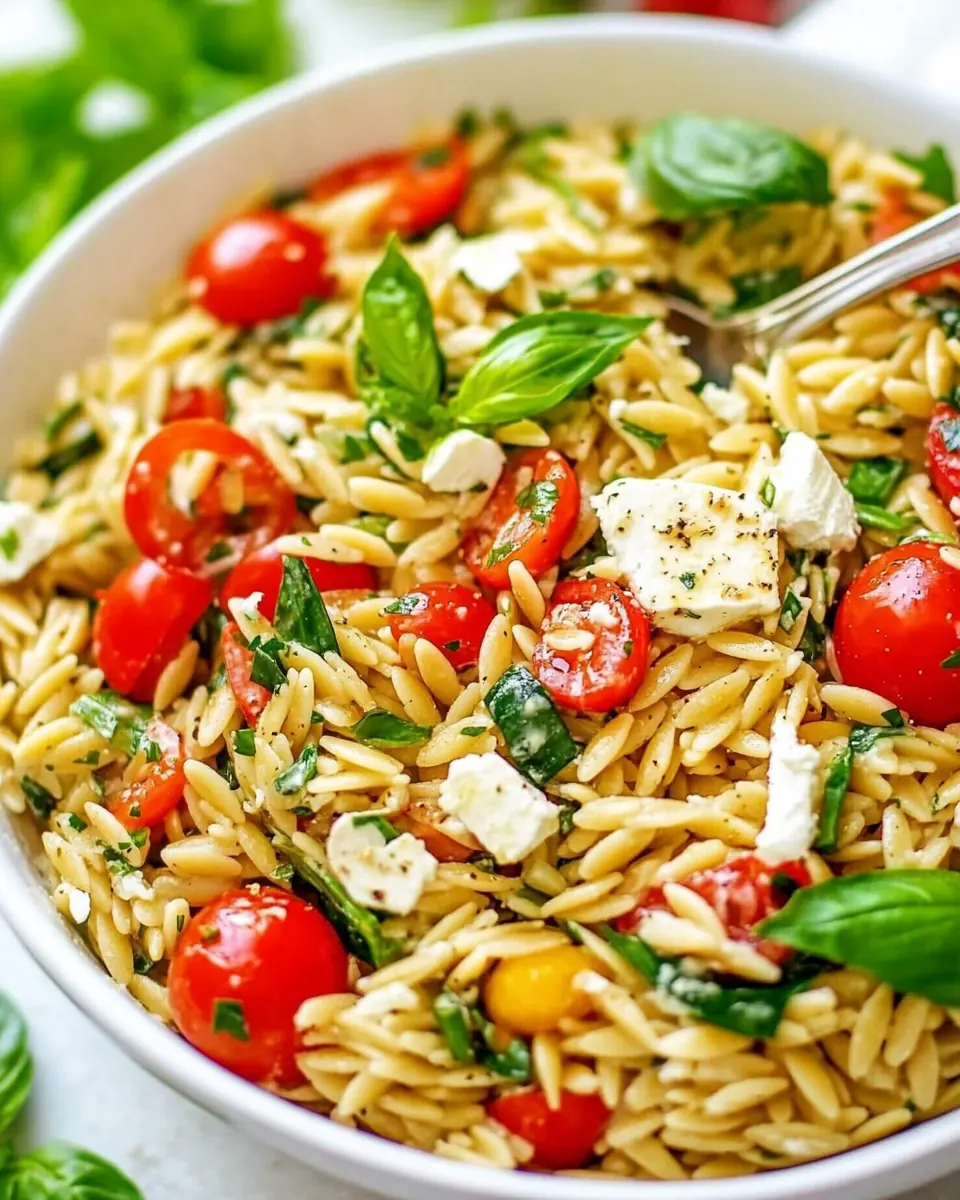
To a large pot, add the orzo and cook according to package directions. Drain and return to pot or very large bowl; set aside.: Close your eyes and imagine the subtle nutty scent of boiling water as the orzo softens, and listen for the gentle rolling boil that signals even cooking. Proper timing matters here, because slightly undercooked orzo will be pleasantly al dente and hold its shape, while overcooked orzo becomes gummy and will absorb too much dressing later. A common mistake is letting the pot boil too vigorously which can cause sticking, so maintain a steady medium high simmer and stir occasionally. Drain well in a colander and let excess steam escape before returning it to the pot so it does not continue cooking and become mushy. The drained orzo should look glossy and separate, not clumped together.
While orzo is cooking, to a large skillet add 3 tablespoons olive oil, onions, and cook for about 3 minutes; stir intermittently.: Feel the residual warmth against the sides of the bowl as you transfer the orzo , and notice how that heat helps begin to marry the upcoming ingredients. Keeping the orzo in a large vessel prevents overcrowding and makes mixing easier, which is vital for even distribution of flavors. One pitfall is using too small a bowl which leads to uneven seasoning and smashed vegetables when stirring. Let the orzo cool slightly so it will accept some of the dressing without steaming the herbs or melting the feta cheese prematurely.
Add the zucchini, garbanzo beans, season with 1 teaspoon salt, 1 teaspoon pepper, Italian seasoning, oregano, and cook for about 3 more minutes, or until zucchini is slightly softened; stir frequently to ensure even cooking.: As the onion hits the hot olive oil , you will hear a soft sizzle and smell the sugars beginning to bloom, which signals the start of caramelization. This short sauté softens the onion and develops a sweet, savory base that complements the fresh ingredients. Stir intermittently to ensure even browning and avoid burning which would add bitterness. If the onions start to brown too fast, lower the heat; if they do not show translucency after three minutes, give them a little more time because raw onion can overpower the salad.
Add the garlic, stir to combine, and cook for about 1 minute, or until fragrant.: When you introduce the zucchini and garbanzo beans , the skillet will release a fresh vegetal aroma and gentle steam. Cooking briefly preserves some bite in the zucchini while heating the beans through, which keeps textures contrasting rather than uniform. Stir frequently for even cooking and taste for seasoning because beans can absorb salt; a common error is under seasoning this component which leaves the overall salad flat. These aromatics and spices infuse the vegetables, creating depth that the lemon later brightens.
Transfer the onion and zucchini mixture to the large pot with the drained orzo.: When the garlic hits the warm pan, its fragrance will instantly bloom into the air in an almost unmistakable way, adding savory lift to the sauté. One minute is enough, because overcooking garlic leads to bitter, burnt notes. Keep it moving with a spatula so it softens evenly and releases its oils into the olive oil . If you accidentally brown the garlic, remove the pan from heat and transfer the veg to the orzo to avoid transferring bitter flavors to the whole salad.
Add the spinach (looks like a lot but it will wilt) and stir to incorporate. Stir for about 2 minutes, or until it begins to wilt from the carryover heat.: As you fold the warm sauté into the orzo , you will see steam rise and the pasta begin to take on the glossy sheen from the olive oil . Combining while still warm helps the spinach wilt later with residual heat, and it ensures the herbs and seasonings start marrying into the grain. Be gentle when folding to avoid crushing the sautéed pieces; pressing too hard ruins their texture. Mixing now also helps the seasoning disperse evenly through the salad.
Add the cucumbers, tomatoes, basil, lemon zest, lemon juice, and stir well to incorporate.: The moment you add the handfuls of fresh spinach , watch them collapse into the warm orzo , their vibrant green turning into a glossy, silky layer. This wilting creates a pleasant silkiness that coats the pasta and tucks into nooks of the grains. Stirring for about two minutes uses carryover heat rather than direct cooking, which preserves a tender leaf texture without turning it into a limp puree. A common misstep is over stirring vigorously which can cause the leaves to break down beyond recognition; fold gently so you retain some texture.
Add the feta and stir to combine. Tip – If you want the feta to remain more intact, don’t add it until the orzo has cooled down a bit, or it will melt, which is totally fine, you just won’t see the white crumbles.: When you add the cool cucumber , juicy tomatoes , chiffonaded basil , and citrus, the salad brightens visually and aromatically. The sound of the tomatoes brushing against the pasta and the fresh snap of cucumber create lively contrast. The acid from the lemon juice wakes everything up and binds with the oil to form a light dressing; the zest elevates the aromatic profile. Mix thoroughly but gently, so the tomatoes do not burst excessively and water down the salad. If it seems dry, add a touch more olive oil .
Taste, and as desired, add additional salt and pepper. I added an additional approximately 2 additional teaspoons salt and 1 teaspoon pepper because it’s a very large quantity of food.: Adding the crumbled feta cheese introduces creamy, salty pockets that pop in the mouth. If the orzo is still warm, the feta cheese will soften and melt slightly, knitting into the salad for a creamier texture; if you prefer visible crumbles, let the orzo cool a bit before stirring in the cheese. Avoid adding all the feta cheese too early if you want distinct white crumbles, otherwise it will integrate into the salad and become less visible, though still delicious.
If desired, drizzle in additional olive oil. I added another approximately 2 tablespoons for flavor and so that the orzo doesn’t stick as it cools.: Tasting is the decisive step because this is a large batch and seasoning can vary based on canned beans or the saltiness of the feta cheese . Start by sampling a small spoonful, paying attention to the balance of acid, salt, and fat. I often add about two more teaspoons of salt and one teaspoon of black pepper for this volume, but adjust to your palate. The common mistake is under seasoning; do not be afraid to add a little at a time and reassess.
Serve immediately. Recipe can be served warm, at room temp, or chilled.: A final drizzle of quality olive oil adds shine and mouth coating richness that elevates the texture and flavor, especially as the salad cools and starches begin to set. I typically add around two tablespoons to keep the orzo from clumping and to amplify flavor. Pouring too much will weigh the salad down, so add incrementally and taste as you go.
Serve immediately: The salad is wonderfully versatile and can be enjoyed warm, at room temperature, or chilled; serving right away lets the warm flavors linger while a short rest allows the elements to marry further. If you plan to chill it, keep in mind that the vegetables soften slightly and the flavors mellow, which can actually improve the overall balance. One mistake to avoid is letting it sit uncovered in the fridge which can dry the top; store airtight if refrigerating and consume within five days for best texture and flavor.