Preheat oven to 325 degrees (F). Generously spray a 9" or 10" bundt pan with nonstick baking spray, being sure to coat every nook and cranny of the pan (I highly suggest using a baking spray that has flour in it).: You will notice a warm, dry scent as the oven reaches temperature, which helps set the cake's exterior without overbrowning. Preheating ensures the leaveners activate consistently once the batter hits heat, giving a uniform rise. A common error is putting batter into a cold oven, which causes uneven texture and poor rise, so wait until the oven is fully up to temperature. Also, prepare your bundt pan thoroughly by spraying into every groove so the cake releases cleanly.
In a stand mixer fitted with the paddle attachment, cream the butter and sugar on medium speed until light and fluffy; about 3 minutes. Beat in the eggs, one at a time, beating well after each addition. Beat in the vanilla extract and lemon extract.: The visual cue here is a thin, even sheen across every contour of the pan, which prevents sticking when unmolding. Proper coating lets the cake slide free and keeps decorative edges intact, which is why I always double check the undercuts. One thing to avoid is skimping on the spray in the crevices, because that often leads to bits of cake breaking during removal.
In a separate bowl add the cake flour, baking powder, baking soda and salt, whisk well to combine and set aside until needed. On low speed, beat the sour cream into the batter. Add the lemon juice and beat until combined. Finally add in the flour mixture and beat until just combined. Turn mixer off. Using a rubber spatula, fold in the blueberries. Be sure to fold gently here to avoid over mixing the batter.: Creaming develops tiny air pockets, and you will see the mixture turn paler and fluffier as sugar granules smooth into the butter . That texture is a foundation for the cake's lift and crumb. If you undercream, the cake can be dense, and if you overcream, it may become overly soft. Scrape the bowl down so all ingredients are evenly incorporated for consistent texture.
Scrape the batter into the prepared bundt pan and bake in preheated oven for 60 to 70 minutes, or until a toothpick inserted in the center of the cake comes out clean. Place the Bundt cake pan on a cooling rack and cool completely before removing the cake from the pan, about an hour. Once cool, carefully remove the cake from the pan, frost, and decorate as desired.: After adding each egg , the batter will momentarily look slick then smooth again, indicating proper emulsification. This step creates a uniform structure, which is critical for an even crumb. A common mistake is adding eggs that are too cold, which can cause the batter to curdle, so use room temperature eggs to maintain a cohesive batter. Pause to scrape the sides between additions to ensure even mixing.
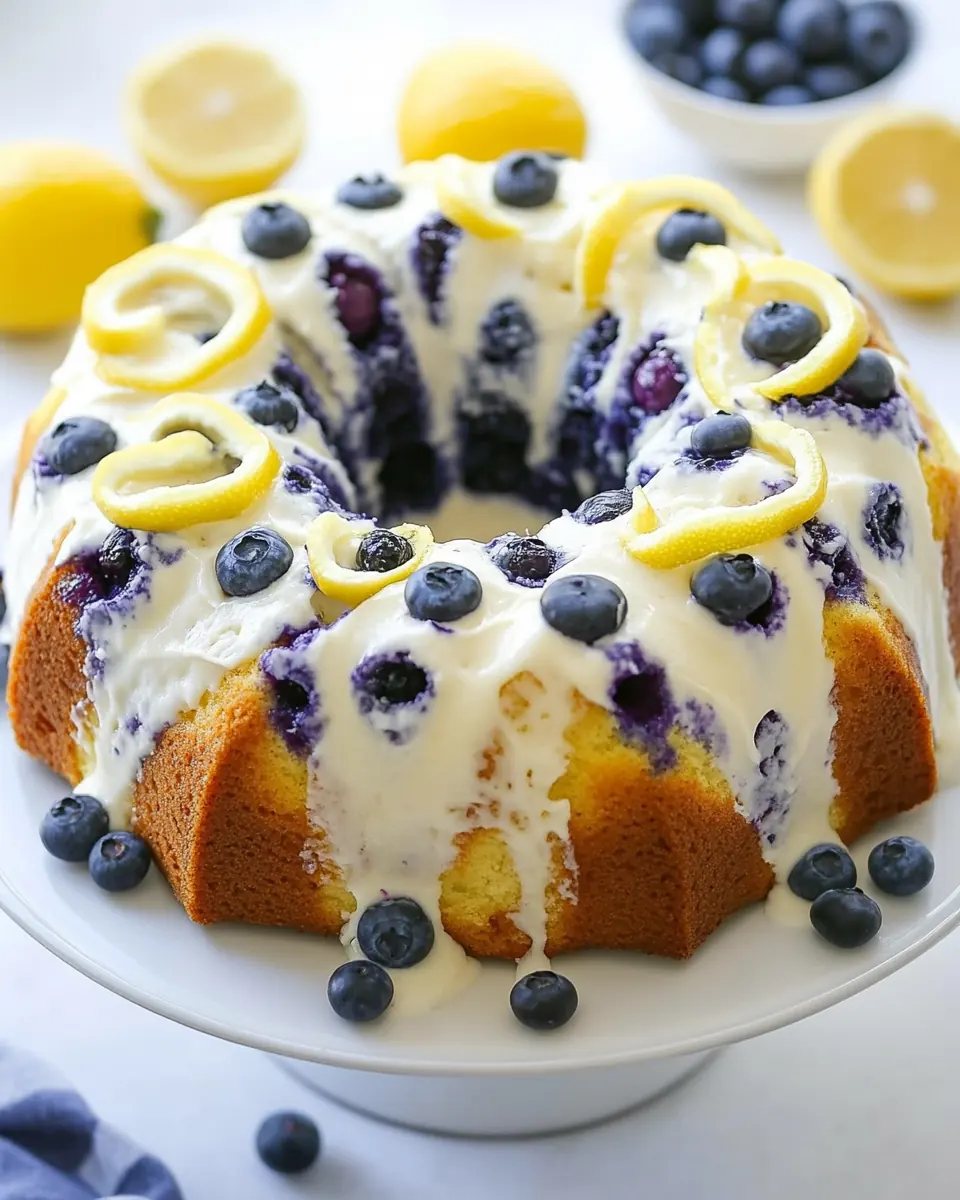
For the Cream Cheese Frosting: In the bowl of a stand-mixer fitted with the paddle attachment, or in a large bowl using an electric handheld mixer, beat the cream cheese, butter, and lemon extract on medium-high speed until completely smooth; about 2 minutes. Reduce the speed to low and gradually add the sifted confectioners' sugar. Once all of the sugar has been added beat on high-speed for 1-2 minutes. If the frosting appears too thin, add a little more confectioners' sugar, 1/4 cup at a time. Once the cake has completely cooled, spread the frosting over the top of cake and decorate with blueberries, lemon zest, and lemon slices, if desired. Slice and serve! Store this cake in the fridge, covered, for up to 3 days.: The aroma will brighten as the extracts incorporate, infusing the batter with subtle perfume that complements the fresh lemon juice . This step builds complexity, and I always taste a tiny bit of batter to confirm balance. Avoid adding too much extract, because it can make the flavor sharp rather than nuanced.
In a separate bowl add the cake flour, baking powder, baking soda and salt, whisk well to combine and set aside until needed: Whisking blends the leaveners and salt evenly into the cake flour , preventing pockets of rising agent which would create uneven holes in the crumb. Visually you want an even, pale mixture with no streaks. Failing to mix dry ingredients can lead to inconsistent texture and unpredictable rise.
On low speed, beat the sour cream into the batter: As you add the full fat sour cream , the batter will loosen slightly and gain a silky sheen. This contributes moisture and a tender crumb, so incorporate thoroughly but gently to avoid overworking gluten. If you rush at high speed you can overmix, leading to toughness, so keep the mixer low and patient.
Add the lemon juice and beat until combined: The batter will smell noticeably brighter as the fresh lemon juice blends in, and the batter texture may become a touch looser. The acid also reacts subtly with the leaveners to help with lift and to balance sweetness. Avoid using concentrate that is too bitter, and be careful not to overacidify, which can affect texture.
Finally add in the flour mixture and beat until just combined: The batter will thicken and clouds of flour will disappear, but you want to stop before all streaks vanish to prevent overdevelopment of gluten. The ideal cue is when large streaks are gone but the batter still looks soft and billowy, signaling a tender result. Overmixing at this stage makes the cake tight and chewy, so be conservative and watch the texture.
Turn mixer off: The silence after mixing gives you a chance to assess texture and prepare for the delicate folding to come. This pause prevents accidental over mixing from running the mixer too long. Do not skip this pause, because immediate folding without checking can lead to missed adjustments for moisture or consistency.
Using a rubber spatula, fold in the blueberries: You will feel gentle resistance as the spatula moves through the batter and see the blueberries dotted throughout, creating pockets of color. Folding preserves the fruit shape and prevents bleeding that would turn the batter purple. A common mistake is vigorous stirring, which bursts the berries and discolors the cake, so fold with slow, rounded motions until evenly distributed.
Scrape the batter into the prepared bundt pan: The batter should flow smoothly into the pan, filling grooves without large air pockets. Scraping ensures you get all the batter and that the cake bakes evenly. Avoid overfilling the pan, because batter too close to the rim can overflow and create an uneven bake.
Bake in preheated oven for 60 to 70 minutes, or until a toothpick inserted in the center of the cake comes out clean: As it bakes, the aroma of butter and lemon will intensify and the top will develop a light golden color. The toothpick test tells you when the interior is set, and I also look for a slight spring when pressing the top. Opening the oven too often can cause uneven rise, so resist peeking until the final 10 minutes.
Place the Bundt cake pan on a cooling rack and cool completely before removing the cake from the pan, about an hour: Cooling lets internal steam settle, preventing the cake from collapsing and allowing flavors to finish developing. The cake will shrink slightly from the pan edges when ready to release. Trying to unmold while warm often causes breakage, so be patient and wait until it is fully cool.
Once cool, carefully remove the cake from the pan, frost, and decorate as desired: When you invert the pan it should glide free, revealing the cake's shaped crust. The contrast between the soft crumb and the slightly firmer exterior is delightful. If the cake clings, tap the pan gently and use a thin offset spatula to assist, avoiding tearing the edges.
For the Cream Cheese Frosting: You will notice a glossy transformation as the cream cheese and softened butter whip together, creating a velvety base. Smoothness indicates proper temperature and mixing, which helps the frosting spread without tearing the cake. Overbeating can incorporate too much air, making the frosting loose, so beat until smooth and stop.
In the bowl of a stand-mixer fitted with the paddle attachment, or in a large bowl using an electric handheld mixer, beat the cream cheese, butter, and lemon extract on medium-high speed until completely smooth; about 2 minutes: The mixture should be lump free and glossy, with a bright lemon perfume. Smooth frosting adheres nicely and creates a clean finish. If you see lumps, stop and scrape the bowl, because uneven frosting can lead to texture issues on the cake.
Reduce the speed to low and gradually add the sifted confectioners' sugar: Adding sugar slowly keeps the frosting silky and prevents a sugar dust cloud. You will feel the frosting thicken as sugar incorporates, and the texture should become spreadable but not runny. If you add the sugar too fast, the mixer will spray sugar and the frosting may become grainy.
Once all of the sugar has been added beat on high-speed for 1 to 2 minutes: This final burst of mixing aerates the frosting slightly, making it light and easy to spread. Watch the texture closely, and stop when it looks smooth and holds soft peaks, because overbeating can thin the frosting. If the frosting seems too thin, add more confectioners' sugar in small increments to reach a spreading consistency.
If the frosting appears too thin, add a little more confectioners' sugar, 1/4 cup at a time: Each addition will slightly thicken the frosting and reduce shine, giving you control over spreadability. Take care not to make it overly stiff, which will make it hard to pipe or smooth. The balance is a creamy but stable frosting that holds a decorative finish.
Once the cake has completely cooled, spread the frosting over the top of cake and decorate with blueberries, lemon zest, and lemon slices, if desired: As you spread, the frosting should glide and leave a glossy coat, while the berries and zest add pockets of freshness and color. The final presentation should feel bright and inviting, a signal that texture and flavor are in harmony. Avoid decorating while the cake is warm, because the frosting will melt and slide off, ruining the look.
Slice and serve: Each cut should reveal even crumb and dotted pockets of blueberries , offering a mix of moist cake and bursts of fruit. Serve chilled or at room temperature depending on preference, and store leftovers properly to retain moisture. Cutting too early or storing uncovered can dry the cake out, so keep it wrapped for best results.
Store this cake in the fridge, covered, for up to 3 days: Chilling helps the frosting set and preserves freshness, and when brought to room temperature slices regain their ideal tenderness. Use an airtight container to prevent fridge odors from affecting the cake. Leaving it uncovered will lead to a dry surface, so cover well.