Go Back
Lemon Butter Pasta with Artichokes and Capers

Lemon Butter Pasta with Artichokes and Capers

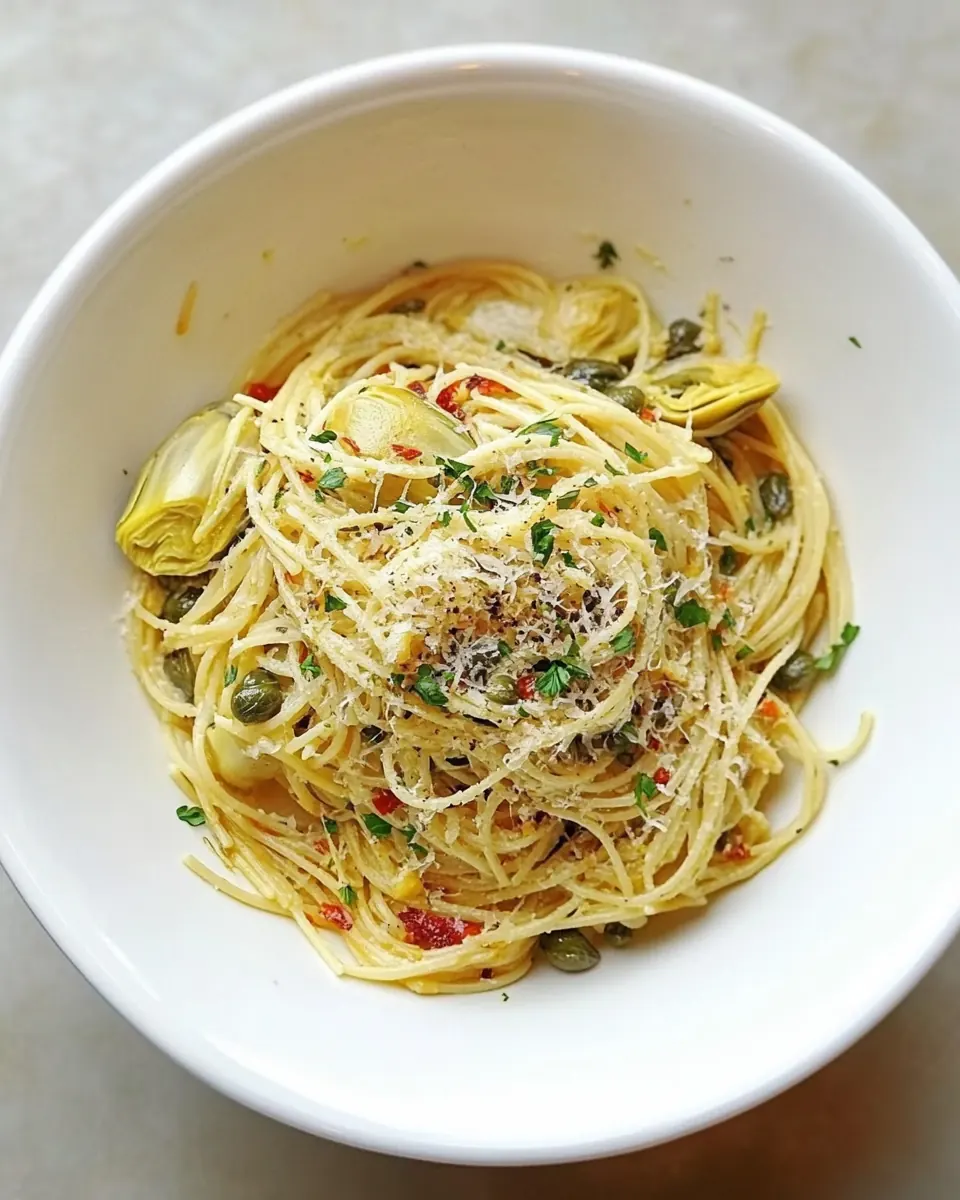
Lemon Butter Pasta with Artichokes and Capers is a creamy yet bright pasta that combines silky butter, tangy lemon, and briny capers for an easy weeknight dinner. Tender artichoke hearts and delicate angel hair make this an elegant, quick meal that feels special without fuss. Make it when you want something fast, flavorful, and impressively simple.
Prep Time 5 minutes
Cook Time 25 minutes
Total Time 30 minutes
Servings: 4 servings
Course: Dinner
Cuisine: Italian
Calories: 450

Ingredients
  

  • 8 ounces angel hair (capellini) or spaghetti pasta Boil until al dente to provide the primary starchy base that carries the sauce and other flavors; choose angel hair or spaghetti depending on desired texture and cook time. Drain well but reserve some pasta water to adjust sauce consistency and help the butter and oil cling to the strands.
  • 8 ounces quartered artichoke hearts, frozen, canned or steamed till tender (about 2 cups) Add tender quartered artichoke hearts to contribute a mild, slightly nutty and tangy vegetable element that pairs well with lemon and capers; use frozen, canned, or freshly steamed depending on convenience. Chop or leave quarters whole to control texture in each bite and fold in near the end so they warm through without becoming mushy.
  • 2 tablespoons extra virgin olive oil Drizzle extra virgin olive oil for a fruity, aromatic fat that helps sauté shallots and infuse the sauce with richness and depth; use a quality oil for noticeable flavor. Add early in the pan to prevent sticking and to provide a slick coating that complements butter for a balanced mouthfeel.
  • 6 tablespoons butter Melt butter to create a rich, velvety sauce base that brings luxuriousness and helps bind the pasta, artichokes, and capers together; use unsalted or salted to control overall seasoning. Add gradually and off-heat if necessary to emulsify with lemon juice and reserved pasta water for a glossy finish.
  • 1/4 cups shallots, minced Sweat minced shallots to release a delicate, sweet onion-like flavor that forms the aromatic backbone of the dish without overpowering lemon and capers; mince finely for even distribution. Cook gently until softened and translucent to avoid bitterness and to meld seamlessly into the butter-olive oil sauce.
  • 3 tablespoons capers, rinsed Rinse capers to remove excess brine and add bursts of intense briny, floral flavor that cut through the butter and complement the lemon; chop if desired for evenness. Fold in near the end of cooking so they retain some texture and bright, saline notes rather than becoming muted.
  • 2 teaspoons lemon zest Zest lemon to provide concentrated citrus oils that uplift and brighten the entire dish with fragrant, zippy aroma; use a microplane for fine zest. Add zest rather than juice at first to keep fresh lemon character distinct from the acidity of the juice.
  • 1/2 teaspoon crushed red pepper, optional (adds spice) Crush red pepper flakes, used optionally, to introduce a subtle heat that balances the richness and acidity without overwhelming the dish; use sparingly and adjust to taste. Sprinkle in gradually and taste as you go to achieve desired warmth without masking delicate flavors.
  • 1/4 teaspoons salt, or more to taste (heaping) Season with salt to enhance overall flavor and bring out natural sweetness in pasta, shallots, and artichokes; use a heaping 1/4 teaspoon as a starting point and adjust. Add incrementally and taste after combining all components, remembering that capers add brininess and may reduce needed salt.
  • 3 tablespoons lemon juice, or more to taste Squeeze lemon juice to add bright acidity that cuts through butter and oil, balancing richness and highlighting other ingredients; start with three tablespoons and increase to taste. Mix into the sauce off-heat if possible to preserve fresh citrus notes and prevent bitterness from overcooking.
  • 3 tablespoons chopped parsley, divided Chop parsley for a fresh, herbaceous finish that adds color, mild peppery flavor, and a clean contrast to the rich sauce; divide between cooking and finishing. Stir some into the sauce to integrate flavor and reserve a portion to sprinkle on top for visual appeal and brightness.

Equipment

  • Large sauteuse or sauce pan
  • Large Pot
  • Colander
  • Measuring Spoons

Method
 

  1. Cook pasta according to package directions. Reserve 2 tbsp of the pasta cooking water. Rinse under cool water for a moment or two to keep the noodles loose. Reserve. In a large sauteuse, saute or sauce pan, heat 2 tbsp olive oil over medium heat. Add artichokes and cover. Cook until thawed (if frozen) and slightly browned. Once browned, remove the artichokes from the pan and reserve.: The hot pot will steam fragrant starch into the water, creating a slightly viscous liquid that helps the sauce bind to the strands, so reserving two tablespoons is essential. As the pasta boils, you will hear a lively bubbling and smell the faint wheaty scent of the noodles, which signals they are approaching al dente. Rinsing briefly under cool water here halts the cooking and prevents the delicate angel hair from clumping, though it will also cool the pasta, so make sure your sauce is hot when you toss them together. A common mistake at this stage is overcooking the pasta , which makes it mushy and unable to hold sauce, so test a strand for a slight bite before draining.
  2. Using the same pan, heat 6 tbsp of butter over medium high heat. Once the butter has melted, add the shallots, capers, lemon zest, optional crushed red pepper and salt. Cook until the shallots are translucent. Carefully add the lemon juice and 2 tbsp pasta cooking water. Cook until a sauce develops. This will happen quickly.: When the olive oil shimmers gently, adding the artichokes produces a soft sizzling sound and a toasty aroma as their edges caramelize. Browning develops a nutty flavor and a bit of texture contrast against the tender centers. Covering briefly steams any frozen pieces so they cook through, then uncover to allow moisture to escape and to encourage browning. You will notice small brown flecks on the artichokes, an indicator of flavorful caramelization. Avoid crowding the pan, which traps steam and prevents browning, resulting in limp, flavorless pieces.
  3. Add the cooked pasta, 2 tbsp fresh chopped parsley and the artichokes to the pan. Toss to evenly coat. If the pasta seems too dry, add water, 1 tbsp at a time, to loosen it a bit. It should not be thick or heavy, the noodles should be lightly coated with lemon butter. Add additional butter, salt and lemon to taste, if desired.: As the butter melts, it foams and releases a toasted dairy aroma that makes the kitchen smell luxurious. Adding the minced shallots yields a gentle sizzling and soon a sweet, mellow fragrance as they turn translucent. Toss in the rinsed capers and zest, and you will hear small pops of sizzling and smell the briny, citrusy lift. Pouring in the fresh lemon juice causes a momentary hiss, and the sauce will visually thin and then coalesce as the pasta water emulsifies with the fat. The result should be glossy and slightly silky, not broken or oily. One pitfall is overheating after adding the lemon, which can separate the sauce or dull the bright citrus; keep the heat moderate and stir gently until the sauce looks homogenous.
  4. Serve hot and garnish with remaining fresh chopped parsley.: When the pasta and reserved artichoke hearts meet the pan, you will see ribbons of glossy sauce cling to each strand and little beads of oil spark under the light. The sound is a soft shuffle as you toss, and the aroma becomes layered with citrus, butter, and a tang from the capers . Adding the fresh chopped parsley brightens the visual and herbal flavor. If the coating looks patchy or the noodles stick together, add reserved pasta water one tablespoon at a time until the sauce loosens and glazes evenly. A common mistake is adding too much water at once, which dilutes the flavor; proceed gradually and taste as you go.
  5. Serve hot and garnish with remaining fresh chopped parsley: The final act is simple yet important. Serving immediately ensures the sauce remains glossy and warm, and the final sprinkle of chopped parsley adds a vivid green contrast and fresh aroma. Listen for the subtle steam rising as you plate, and enjoy the layered fragrance of lemon and butter as you serve. If you let the dish sit too long, the sauce can thicken and lose its shine, so aim to plate and serve promptly to preserve texture and vibrancy.
Notes

  • Reserve pasta water to bind the sauce: The starchy cooking water helps emulsify the butter and lemon juice, creating a glossy finish that clings to the pasta.
  • Rinse capers to manage salt: Briefly rinsing the capers under cool water tames excess brine so you can control seasoning with the added salt.
  • Brown artichokes for depth: Searing the artichoke hearts adds caramelized notes that balance the citrus and enrich the overall flavor.
  • Use moderate heat after lemon to prevent separation: When you add lemon juice, lower the heat to preserve brightness and keep the emulsion stable.
  • Adjust lemon and butter at the end for balance: Taste before serving and add a touch more butter or lemon juice to reach your preferred richness or brightness.