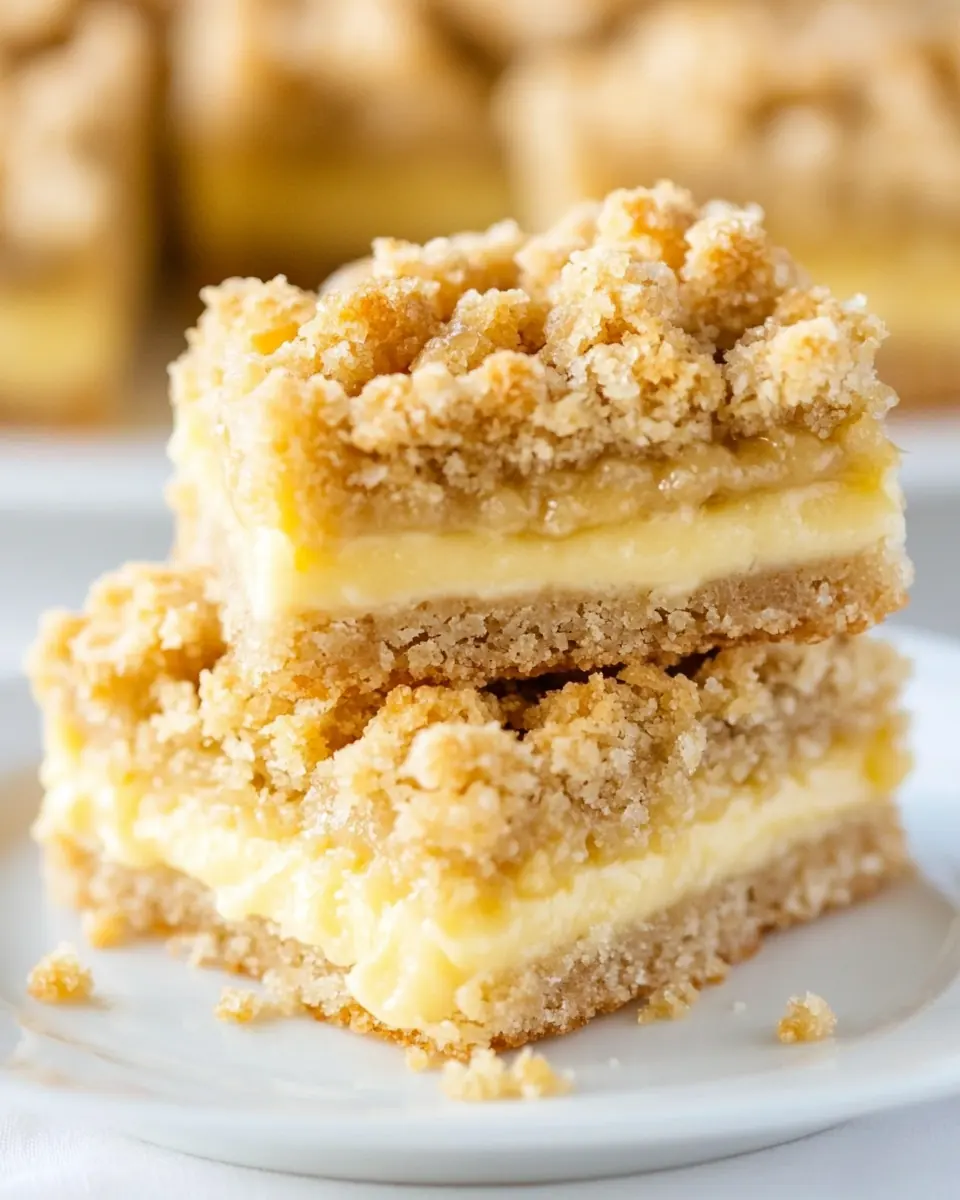
Preheat oven to 350 degrees. In a medium mixing bowl, whisk together flour, rolled oats, salt and baking soda. Stir in granulated sugar and brown sugar and mix until no clumps of sugar remain.: When you step into the kitchen you should already feel the warmth of readiness, because an accurately warmed oven creates the environment where the crumb sets and the filling bakes evenly. You will know the oven is ready when the dial indicator registers heat consistently and a quick test with an oven thermometer shows 350 degrees. The initial bake of the crust relies on that steady temperature to dry and bond the crumbs, so avoid opening the door frequently while the pan begins its first bake because fluctuating heat can make the crust uneven. If your oven runs hot or cool, adjust by ten degrees and watch the first batch closely, that small shift can prevent overbrowning or underbaking.
Stir vanilla into melted butter and pour mixture over dry ingredients. Using a spoon, stir mixture until evenly moistened.: Right away you will smell the faint grainy scent of flour and oats mingling, and the dry mix should feel light and even in the bowl. Whisking distributes the salt and baking soda so that every bite rises and seasons consistently. Mix until you see no streaks of flour, but do not overwork the grains or the oats will begin to break down, which can lead to a less pleasant texture. A common slip here is skipping the whisk and ending up with pockets of baking soda, which can create odd metallic bites, so take a moment to make this homogenous.
Sprinkle half of the crumb mixture into the bottom of a greased 8 by 8-inch baking dish and gently press into an even layer. Bake in preheated oven 15 minutes. Remove from oven and set aside (leaving oven heated at 350 degrees).: The sugars should blend in and your fingertips will feel the small granules smoothing into the dry base, with the brown sugar softening into the mix. This step ensures even sweetness and proper caramelization in the crust. If you notice stubborn clumps of brown sugar, press them gently between fingers to break them up or sift them briefly; unmelted clumps can leave sweet pockets that bake differently. Avoid dissolving the sugars with liquid now because the crumb needs to stay sandy, not pasty.
In a mixing bowl, whisk together sweetened condensed milk, lemon zest, lemon juice, egg yolks and lemon extract until well blended. Pour mixture over crumb crust in baking dish and spread into an even layer.: Once the butter has cooled just slightly, the aroma of vanilla will become noticeable as you stir it in, and pouring the fat over the dry mix should create a glossy sheen over the oats and flour. The melted butter is what binds the crumb together, and mixing it evenly gives you that cohesive texture once baked. If the butter is too hot you risk melting the sugars prematurely and creating clumps, so let it sit for a minute after melting. One mistake is adding cold butter which will not coat properly, leaving the crumb unevenly moistened, so use the right temperature.
Sprinkle top evenly with remaining crumb mixture. Bake in preheated oven 23 - 26 minutes until lightly golden.: At this stage the mixture should look uniformly damp without any dry islands, and when you press a small handful it should hold its shape loosely. The sensory cue of a slight cohesion tells you the crumb will bake into a crisp but not rock hard layer. If you see overly wet patches, you may have added too much butter; correct by stirring in a touch more dry flour, a tablespoon at a time, until the balance returns. Overmixing can make the texture gummy, so fold gently until everything is distributed.
Remove from oven and allow to cool at room temperature, once cool cover and refrigerate 30 minutes - 1 hour (I actually loved this cold).: As you spread the crumbs, they should feel sandy but pack into a firm surface under gentle pressure, and the visual should be a uniform layer about half an inch thick. Pressing helps the crust hold together when sliced, but be careful not to compact it so tightly that it becomes dense. One misstep is pressing too hard which removes the crumb's air and yields a heavy base, so aim for firm but not compressed.
Remove and cut into squares. Store in airtight container in refrigerator.: During this initial bake you will watch the edges turn a light golden and smell a warm, toasty scent rising from the oven. This parbake helps the crust set and keeps the filling from soaking in. If the crust browns too quickly, move the pan to a lower rack or tent loosely with foil for the remainder of the bake. A common error is skipping this bake, which leads to a soggy bottom after adding the filling, so resist the urge to shortcut here.
Remove from oven and set aside leaving oven heated at 350 degrees: Once out of the oven the crust will still feel slightly soft but stabilized, and letting it rest while you prepare the filling prevents thermal shock when the filling is added. Keep the oven hot as the next bake needs that same temperature. Avoid placing the hot dish on a cold surface which can cause cracking; use a trivet or wooden board instead.
Whisk together sweetened condensed milk, lemon zest, lemon juice, egg yolks and lemon extract until well blended: The mixture should look glossy and uniform, and the aroma of lemon zest should bloom as you whisk. Whisking thoroughly ensures the egg yolks are dispersed, which aids smooth setting and prevents curdling. If the mixture seems lumpy, a quick strain can remove any rogue bits. A pitfall is whisking too vigorously after adding hot liquids in other recipes, but here everything is room temperature so keep a steady rhythm to avoid incorporating too much air.
Pour mixture over crumb crust in baking dish and spread into an even layer: As you pour, the filling will glide over the crust and settle into the nooks, and using a spatula to gently level it will prevent thin spots. The visual should be a glossy, pale yellow surface without gaps. If the filling pools heavily in one area, tilt the pan slightly to distribute then smooth; avoid scraping into the crust which can disturb its surface and create uneven edges.
Sprinkle top evenly with remaining crumb mixture: The final scatter should look like a light blanket, with crumbs distributed so that some filling peeks through. This top layer will toast and provide the signature crumb contrast. If you heap it too thickly the top may brown before the filling sets, so keep it even. One common error is pressing the top crumbs into the filling, which buries them and prevents crisping, so drop them gently.
Bake in preheated oven 23 to 26 minutes until lightly golden: During this bake the filling will turn from glossy to slightly set, and the top crumbs will develop a golden hue and a toasted scent will fill the kitchen. Check at the earlier mark for wobble in the center; you want a gentle set, not a liquid tremble. Overbaking will dry the filling and make it grainy, so remove when the center still gives slightly under a finger press but is not runny.
Remove from oven and allow to cool at room temperature once cool cover and refrigerate 30 minutes to 1 hour: Cooling at room temperature lets residual heat finish the set, and then chilling firms the filling for clean slices. I prefer them chilled because the flavor clarifies and slicing is much cleaner. A mistake is cutting too soon while still warm which causes messy edges, so be patient and let the bars rest properly.
Remove and cut into squares: When you slice a chilled bar your knife should glide smoothly, leaving clean edges and a visible layer of crumb and filling. Use a sharp knife and wipe between cuts to maintain neat squares. If the pieces crumble, return the pan to the fridge briefly to firm up.
Store in airtight container in refrigerator: Stored cold, these bars keep well and the flavors remain bright. An airtight container preserves texture and prevents the crumb from absorbing fridge odors. If you notice any soggy spots after long storage, eat within a few days for best quality.