Go Back
Lemon Cupcakes

Lemon Cupcakes

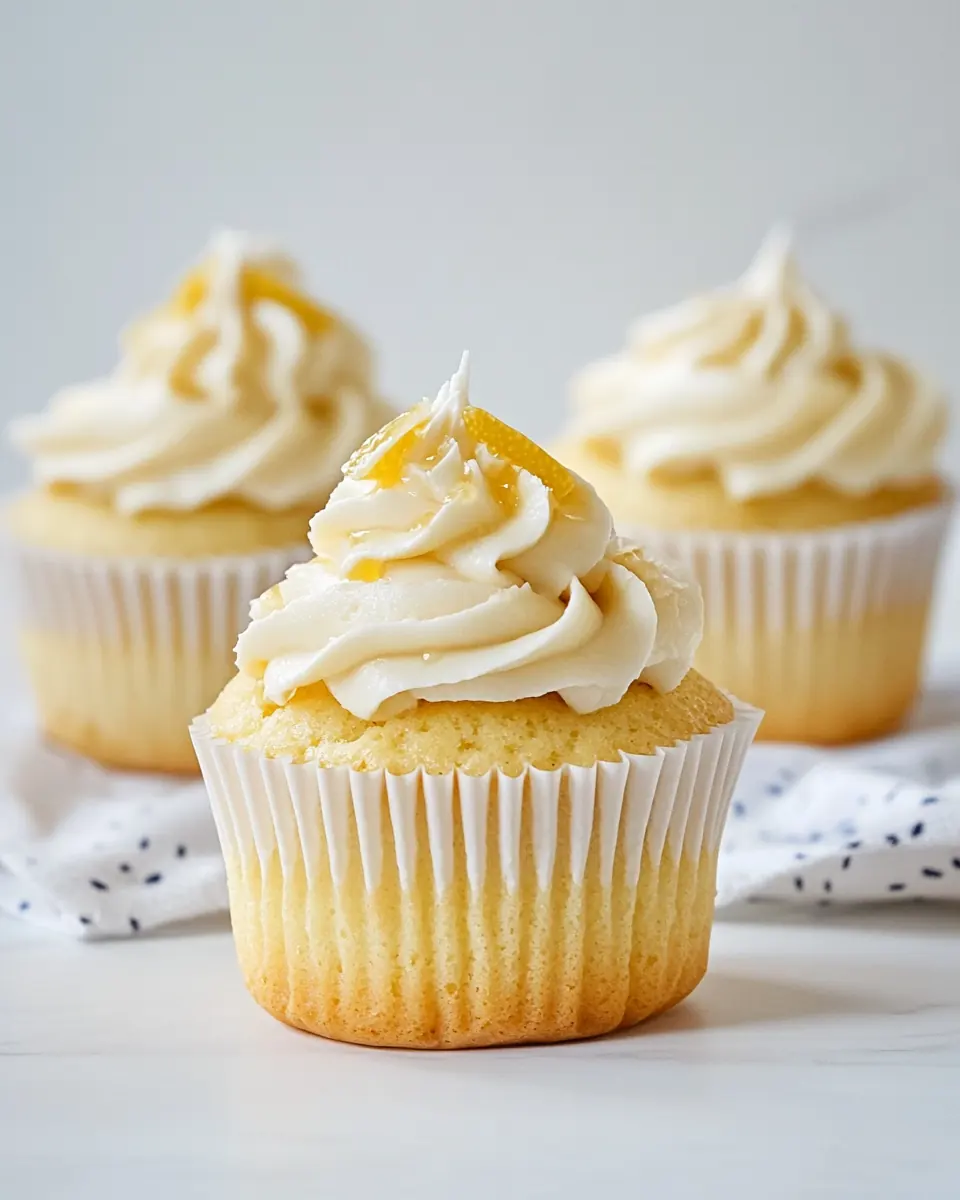
Lemon Cupcakes deliver a bright, tender crumb with zesty lemon aroma and moist texture from Greek yogurt and oil. These easy, crowd friendly cupcakes are perfect for spring gatherings and quick celebrations, offering a balanced sweet and tangy bite. Make them for an effortless dessert that looks charming and disappears fast.
Prep Time 20 minutes
Cook Time 15 minutes
Total Time 35 minutes
Servings: 14 cupcakes
Course: Desserts
Cuisine: American
Calories: 210

Ingredients
  

  • 1 2/3 cups all-purpose flour Provides structure and bulk to the batter, giving cupcakes their crumb and stability; sift or whisk to remove lumps and ensure even mixing. Balances moisture and helps incorporate leavening for an even rise during baking.
  • 1/4 teaspoon baking soda Acts as a mild leavening contributor that reacts with acidic components to produce carbon dioxide for added lift; measure precisely as small amounts affect texture. Ensures a tender crumb when combined with other leavening agents.
  • 1 1/2 teaspoons baking powder Delivers primary leavening power, helping the cupcakes rise and become light and airy; distribute evenly through the dry ingredients. Works with baking soda and acidic elements to create a consistent, springy texture.
  • 1 pinch kosher salt Enhances overall flavor by providing a subtle savory balance and helps strengthen gluten structure slightly; use a small pinch to avoid noticeable saltiness. Can accentuate sweetness and lemon brightness when evenly mixed.
  • 3/4 cup vegetable oil Adds moisture and richness while keeping the cake tender; use neutral-flavored oil to maintain lemon flavor prominence. Contributes to a moist crumb and longer-lasting softness compared with butter.
  • 2 large eggs room temperature Provides structure, richness, and emulsification, aiding in lift and color; bring to room temperature for better incorporation. Beaten eggs help trap air and bind ingredients for cohesive batter.
  • 1/2 cup Greek yogurt room temperature Contributes tenderness and moisture while adding slight tang and acidity to react with leavening; use at room temperature for smooth blending. Helps create a moist, dense-but-tender crumb with subtle flavor.
  • 1/4 cup whole milk warm Thins the batter slightly and adds moisture while helping to dissolve sugar; warm milk integrates more smoothly into the batter. Adds richness from milk fats and promotes even texture.
  • 2 tablespoons lemon zest Adds concentrated citrus aroma and intense lemon flavor without extra acidity; gently grate only the yellow peel to avoid bitterness. Distributes lemon oils throughout the batter for bright, fresh notes.
  • 1/4 cup fresh lemon juice Provides bright, fresh lemon flavor and acidity which interacts with leavening agents to enhance rise and balance sweetness. Use freshly squeezed juice for best flavor and natural brightness.
  • 1 cup granulated sugar Sweetens the cupcakes and aids in browning and tenderness; creaming with oil and eggs helps incorporate air for a lighter texture. Adjust slightly if your frosting or fillings are very sweet.
  • Frosting of choice for decorating Used to finish and decorate cupcakes, adding sweetness, texture, and visual appeal; choose a frosting that complements lemon flavor. Can be piped or spread and may include garnishes like zest for contrast.

Equipment

  • Cupcake tin
  • Paper liners
  • Mixing Bowls
  • Whisk
  • sifter
  • toothpick

Method
 

  1. Preheat oven to 375°F. Line a cupcake tin with paper liners.: A warm oven yields a fast initial rise, and the smell of the heat hitting the batter is the first signal everything is progressing. You should feel mild warmth in the kitchen as the oven reaches temperature, and the liners protect the sides while allowing the tops to brown. Always let the oven fully preheat to avoid uneven rise or underbaked centers, which happens when the oven is still heating.
  2. Sift together flour, baking soda, baking powder, and salt in a large bowl.: Airy, sifted dry ingredients make a lighter texture and help distribute the leaveners so the rise is uniform. As you sift, you will see the mixture lighten in color and texture, and gently whisking afterward ensures evenness. A common mistake is skipping sifting, which can leave lumps of leavening and cause uneven pockets or flavor.
  3. In a separate bowl, whisk together oil, eggs, yogurt, milk, zest, lemon juice, and sugar until smooth.: As you whisk, the batter will take on a sheen and the sugar will begin to dissolve, releasing the lemon aroma. The sound is a steady, light whisking and the mixture should smell bright and slightly tangy. If the eggs are cold, emulsification can be stubborn, so room temperature ingredients help create a cohesive batter; cold components can lead to slight curdling or uneven texture.
  4. Add wet ingredients to dry ingredients and mix until just combined.: After combining, you should see a homogenous batter with small streaks that disappear with gentle folding. Overmixing develops gluten and yields a tougher crumb, so stop when you no longer see flour streaks. A telltale sign of overmixing is a glossy, stretchy batter, which often results in denser cupcakes.
  5. Fill cupcake liners 3/4 full and bake for 13-17 minutes or until a toothpick inserted comes out clean. Once cool, decorate with preferred frosting.: While baking, watch the tops for a pale golden color and a slight spring when touched. The oven will emit a gentle, sweet aroma as the lemon and sugar brown. Test for doneness with a toothpick; if it comes out with wet batter, they need more time. Baking too long dries them out, while pulling them too early leaves gummy centers.
  6. Once cool, decorate with preferred frosting.: Cooling allows the crumb to set and makes frosting easier to apply, and you will notice the lemon scent settle into the cupcake as steam dissipates. Frosting warm cupcakes can melt the topping and ruin presentation, so be patient and let them reach room temperature. Rushing this step is the most common misstep and will cause the frosting to slide off.
Notes

  • Try a light glaze Instead of heavy frosting, whisk together powdered sugar and a few teaspoons of fresh lemon juice to make a thin glaze, then drizzle over cooled cupcakes for a glossy, delicate finish that still emphasizes the lemon.
  • Use cream cheese frosting A tangy cream cheese style frosting complements the citrus while adding richness, especially appealing for celebratory gatherings, but keep it lightly sweetened to avoid masking the lemon.
  • Decorate with candied lemon Thin strips of lemon peel candied in sugar look decorative and amplify the citrus aroma, placing one atop each cupcake for an elegant touch suited to brunches.
  • Make mini cupcakes Reduce bake time slightly for mini liners, and they become perfect bite sized treats for parties or when you want portion control without losing texture.
  • Swap yogurt styles If you prefer a milder tang, use plain yogurt instead of Greek; the batter will be slightly looser, so keep an eye on bake time to avoid overbaking.
  • Infuse milk Warm the milk with a strip of lemon zest and let it cool before adding to the batter to deepen the citrus perfume without increasing acidity.