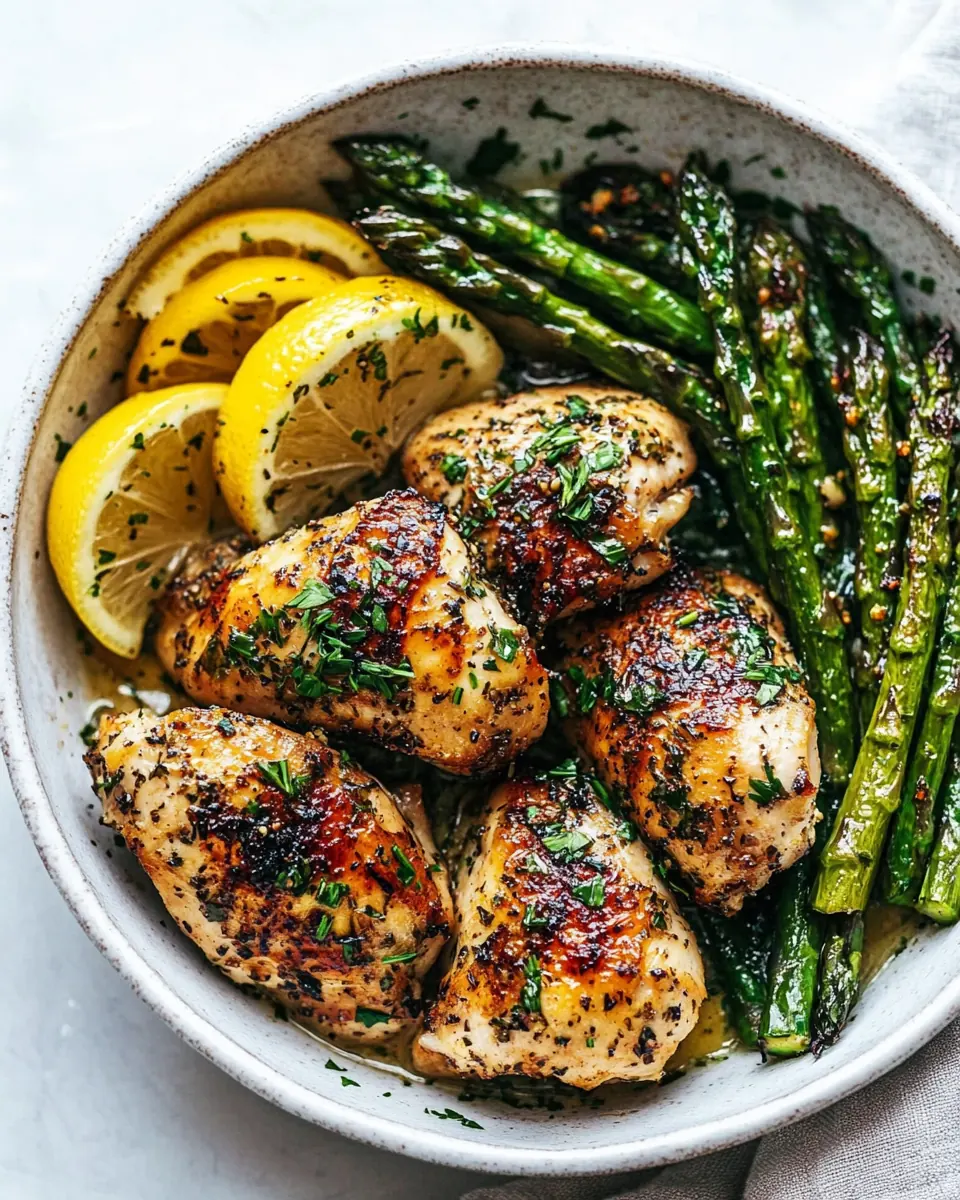
In a medium-sized skillet over medium-high heat add 3 tablespoons butter until melted. Add juice of one lemon, 4 minced garlic cloves, 1/4 cup fresh oregano, 1 teaspoon fresh rosemary, and 1 teaspoon fresh thyme.: You should notice the butter shimmer and start to foam, releasing a warm, nutty aroma. The sound is a light sizzle when the pan is hot enough, and that sizzle is important because it helps sear the surface of the chicken later. If the butter turns dark brown quickly, lower the heat to prevent burning, which creates a bitter flavor. A common mistake is starting with too high heat and letting the butter smoke, so begin medium-high and adjust as needed. The reason this matters is that the rendered butter forms the base of your sauce, carrying herb and garlic flavors and giving the finished dish silkiness.
Add 1 pound boneless skinless chicken thighs and cook for 3-4 minutes on each side or until chicken is no longer pink and is 165 degrees Fahrenheit. Remove chicken and set aside on a plate.: As these aromatics hit the warm butter you will get an immediate burst of fragrance, bright lemon top notes, and the cozy, savory scent of garlic . The herbs will begin to bloom, their oils infusing the liquid; you should see tiny bubbles as the mixture simmers gently. Stir to combine so the flavors meld but do not let the garlic brown excessively, because burnt garlic tastes acrid. A frequent error is adding herbs too early and exposing them to prolonged high heat, which flattens their flavor, so add them when the butter is warm but not smoking. This step matters because it creates a concentrated pan sauce that will coat the chicken and vegetables with layered flavor.
Add 1/2 bunch asparagus to the pan and salt and pepper to taste. Cook for 5-6 minutes or until tender.: When you place the chicken into the pan you will hear a satisfying sizzle, and the surface should develop a golden crust after a few minutes. That crust adds texture and caramelized flavor. Use tongs to flip only once if possible, so the sear develops undisturbed. The interior should lose its pink color and a thermometer should read 165 degrees Fahrenheit at the thickest part. If the pan gets crowded, the chicken will steam instead of sear, so cook in batches if needed. One common pitfall is moving the chicken too often, which prevents browning. Removing the chicken to rest keeps juices locked in and gives you time to finish the vegetables in the same flavorful pan.
Add chicken back to the pan for a minute or so and serve.: When the asparagus hits the hot pan it should sizzle and start to soften, releasing a green, vegetal aroma. Toss or stir so each stalk makes contact with the butter herb sauce, then let them cook undisturbed for a couple of minutes to develop slight browning. You are aiming for tender crisp, where the spears still have a bit of snap and bright color. If you overcook, asparagus becomes floppy and loses vibrancy, so watch the clock. A frequent mistake is adding cold, wet asparagus which cools the pan and steams instead of saut e9ing, so pat the spears dry beforehand. This step matters because the asparagus soaks up the pan flavors, creating continuity across the dish.
Cook for 5 to 6 minutes or until tender: During these minutes listen for a steady, gentle sizzle and look for the asparagus to turn a deeper green and become slightly glossy from the sauce. Test by piercing the thickest part with a fork; it should meet some resistance but not be hard. If the pan seems too dry, you can loosen the sauce with a splash of water, but be careful not to dilute the flavor. A common error is overcooking in pursuit of softness, which results in mushy asparagus, so check early and often. The reason this matters is texture; the bright, slightly crunchy asparagus balances the richer chicken and butter.
Add chicken back to the pan for a minute or so and serve: Returning the resting chicken to the pan allows it to warm through and marry with the herb butter sauce, creating a unified plate. You should hear a brief sizzle and see the sauce cling and gloss the meat. Serve while hot so the sauce is still silky; cooling will thicken it. Avoid leaving the chicken in the pan too long, which can dry it out. This finishing step brings everything together, concentrating flavors and ensuring each bite has a balance of herb, citrus, and savory butter.