Defrost the shrimp, then rinse with cold water and pat them very dry with paper towels. Season the shrimp with salt, pepper, and cayenne pepper. Set aside.: You will notice a faint briny aroma as you rinse the shrimp , and patting them very dry is crucial to getting a proper sear. Excess moisture will steam the shrimp instead of allowing the surface to caramelize, so press gently with paper towels until no beads of water remain. If they feel at all slimy, rinse again and dry. A common mistake is skipping the drying step, which makes the shrimp turn rubbery rather than tender, so resist the urge to rush.
Melt the butter in the microwave for about 30 seconds. Add the thyme, oregano, parsley, and lemon juice to the melted butter. Stir to combine well and set aside.: As you sprinkle the seasoning, inhale the immediate lift from the cracked black pepper and the citrus like heat from the cayenne pepper . Seasoning at this stage ensures the flavors cling to the surface and penetrate slightly during the quick cook. Distribute the seasoning evenly with your fingers so every shrimp gets coated. Avoid over seasoning, which can mask the delicate sweetness of the shrimp .
Heat a skillet (preferably cast iron) over high heat. Once the skillet is heated, add the olive oil and swirl it to coat the bottom evenly. Add the shrimp and cook without stirring for about 1–2 minutes on each side until they are cooked through. Pour in the lemon herb butter and let it sizzle for a moment. Turn off the heat and serve immediately.: The melted butter will smell toasty and rich, and heating it just enough prevents it from splattering when it hits the hot pan. Microwave in short bursts to avoid browning unless you want a nutty flavor. Let it sit briefly so the foam settles before adding herbs. A mistake here is overheating and burning the butter, which gives an off taste, so watch carefully.
Add the thyme oregano parsley and lemon juice to the melted butter: Once combined, the aroma will turn herbal and bright, with the citrus lifting the butter. Stirring helps the essential oils from the herbs infuse the fat, creating a silky sauce. Use fresh chopped herbs for a lively fragrance; dried herbs will be more subdued. Avoid overmixing if the butter is too hot, which can wilt the herbs excessively and mute their flavor.
Stir to combine well and set aside: As the mixture rests, the flavors meld and amplify. You should be able to smell thyme, oregano and parsley marrying with the lemon juice , creating a fragrant compound butter. Setting it aside prevents the herbs from cooking too quickly when added to the hot pan later, preserving their brightness. Do not leave the butter exposed to very high heat for long, which can separate it and change the texture.
Heat a skillet preferably cast iron over high heat: When the skillet is properly hot you will see a faint shimmer on the surface, and tapping a drop of water will produce a fast sizzle. A heavy skillet retains heat and gives an even sear, encouraging that appealing slight char on the shrimp . Preheating thoroughly prevents the shrimp from releasing juices and steaming. A common error is using too low a heat, which yields floppy, pale shrimp rather than a crisped exterior.
Once the skillet is heated add the olive oil and swirl it to coat the bottom evenly: The olive oil should form a glossy layer and start to shimmer. Swirling ensures the entire cooking surface is lubricated so the shrimp cooks uniformly. You'll smell a gentle nuttiness from the heated oil, and this step helps prevent sticking and promotes browning. Avoid letting the oil smoke, which indicates it is too hot and can impart a bitter taste.
Add the shrimp and cook without stirring for about 1 to 2 minutes on each side until they are cooked through: When the shrimp hits the pan you will hear a sharp sizzle, and the edges will begin to turn opaque with a faint golden sear. Cooking without agitation allows a crust to form, locking in juices. Flip once halfway through to finish the other side; over flipping prevents proper browning. Be mindful that shrimp cook very quickly, and overcooking makes them tight and chewy rather than tender and snappy.
Pour in the lemon herb butter and let it sizzle for a moment: When the warm herb butter meets the hot skillet it will produce a lively sizzle and fragrant steam. Spoon the sauce over the shrimp to glaze them, watching the liquids reduce slightly to cling to each piece. The scent will be bright and buttery with herb notes. Avoid leaving the pan on high so long that the butter separates or the herbs brown excessively, which can turn the flavor bitter.
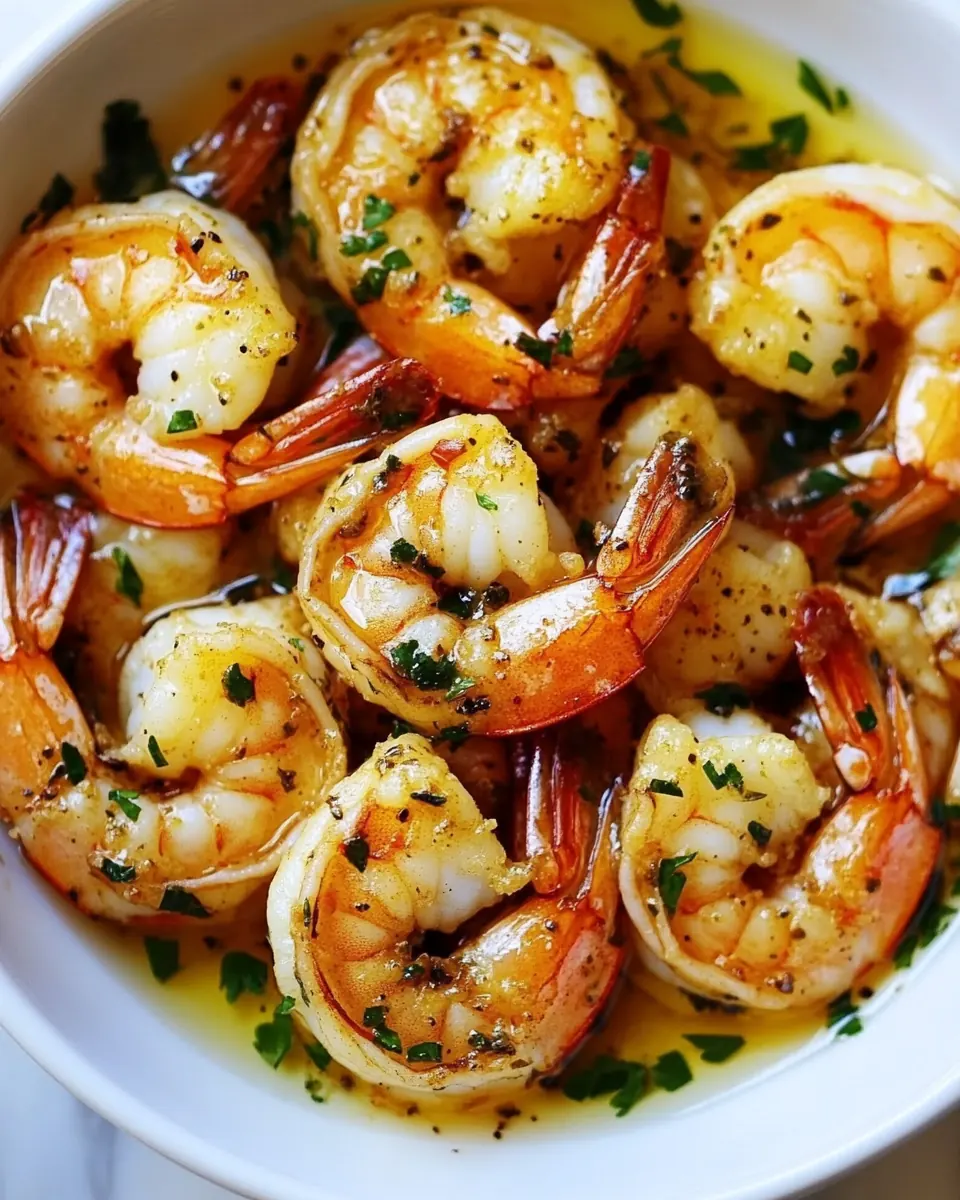
Turn off the heat and serve immediately: The residual heat will finish the cooking gently, and the glossy coating will cling to the shrimp . Serve right away to enjoy the ideal texture and aroma. If you let the dish sit too long, the sauce will cool and thicken, losing that silky sheen, so plating quickly preserves the best sensory experience.