Preheat the oven to 350°F. Spray a 9" X 5" X 3" loaf pan with baking spray with flour, or spray with cooking spray and lightly flour the pan, tapping out the excess.: You should feel the warm, dry air from the oven when you open it, a steady heat that will create an immediate reaction on the batter's surface, helping form a thin crust. Preheating ensures the loaf rises properly, so always wait until the oven reaches temperature before sliding the pan in. A common mistake is putting the batter into a cold oven, which can lead to a dense center and uneven doming. If your oven runs hot or cold, use an oven thermometer to verify accuracy.
In a medium bowl whisk the flour, baking powder, and salt. In a large bowl combine the sugar with the lemon zest, using your fingers to blend well. Add the flour mixture, stir, and set aside. In a small bowl mix the milk, oil, eggs, lemon juice, vanilla, and almond extract. Add the wet mixture to the dry ingredients. Use a spatula or wooden spoon to mix well. Pour the batter into the loaf pan and bake for 50-60 minutes.: When the pan is prepped correctly the loaf should release easily, and the exterior will have a uniform color. The flour clings to the oil and creates a thin barrier, preventing sticking while allowing the crust to form. Overflouring can leave a dusty edge on the loaf, so tap out extra. If you skip this step you risk losing the loaf when you invert it, and broken edges change the presentation.
Cool the baked loaf for 15 minutes then remove from the pan. While the loaf is cooling, make the lemon glaze. In a small bowl mix the powdered sugar, lemon juice, and almond extract. Add 1 teaspoon more lemon juice if the mixture is too thick. Drizzle the glaze over the loaf, slice, and enjoy. The loaf can be wrapped tightly or stored in an airtight container for up to 3 days or frozen for up to 3 months.: As you whisk the dry ingredients together, notice how the mixture lightens and becomes evenly distributed, which ensures consistent lift. Properly combined dry ingredients prevent pockets of baking powder or salty bites, which would otherwise cause uneven flavor or texture. Sifting is optional but helpful if your flour is clumpy. A typical oversight is under mixing the dry elements, which can cause uneven rising and pockets of dense flour in the baked loaf.
In a large bowl combine the sugar with the lemon zest, using your fingers to blend well: Rubbing the lemon zest into the granulated sugar releases essential oils, and you will notice the sugar becomes fragrant and slightly damp. This technique intensifies citrus aroma across the loaf, more than adding zest directly to batter. Take care not to overwork it into a paste, just enough to distribute oils. A mistake here is using pre zested sugar or skipping the rubbing, which diminishes that immediate lemon perfume.
Add the flour mixture, stir, and set aside: Once the dry mix meets the sugared zest, the texture will be sandy and evenly speckled. Setting it aside keeps the workflow smooth when you combine wet ingredients, preventing overmixing. Work gently to avoid compacting the dry mixture, which can make it hard to incorporate later. Adding liquids too soon can cause lumps, so this pause is purposeful and helpful.
In a small bowl mix the milk, oil, eggs, lemon juice, vanilla, and almond extract: Whisk these until the mixture looks smooth and slightly glossy, with the yolk fully integrated and the surface showing tiny air bubbles. The aroma of vanilla and almond extract will waft gently, blending with the citrus. Room temperature eggs and milk combine more readily, producing a uniform emulsion that helps create a moist crumb. Cold ingredients can cause the batter to seize or mix unevenly, so bring them to room temperature if possible.
Add the wet mixture to the dry ingredients: As the liquids hit the dry mixture you will hear a slight change in sound as the batter comes together, and visually it will move from dusty to cohesive. Fold gently until no streaks of flour remain, stopping when the batter is smooth but not overworked. Overmixing develops gluten and yields a tougher loaf, so mix just until combined. If the batter looks curdled or separated, a brief, gentle whisk usually brings it back together.
Use a spatula or wooden spoon to mix well: The batter should be smooth and glossy, with small air pockets distributed through it, indicating it is aerated but not whipped. Scrape the bowl sides so no dry pockets remain, which would create floury bits in the baked loaf. Mixing tools matter, a silicone spatula is forgiving and prevents overworking. A common error is vigorous beating at this stage, which can make the loaf dense and chewy rather than tender.
Pour the batter into the loaf pan: When pouring, the batter should flow steadily and settle into the corners without being overly runny; it should come about two thirds of the way up the pan. Tap the pan gently on the counter to release trapped air bubbles and level the surface, which encourages an even rise. Avoid overfilling because the loaf can overflow as it rises, causing a rough crust and uneven bake. If you notice large air pockets after tapping, smooth the top with a spatula for uniform texture.
Bake for 50 to 60 minutes: You will see the top turn a warm golden color and the center should spring back when lightly pressed; an inserted tester will come out with a few moist crumbs but not wet batter. The scent in the kitchen will shift from raw batter to baked citrus, a sign the sugars and zest are caramelizing slightly at the surface. Ovens vary, so start checking at 50 minutes to prevent overbaking, which dries the crumb. If the top browns too quickly, tent loosely with foil to finish cooking without burning.
Cool the baked loaf for 15 minutes then remove from the pan: During this resting period the crumb firms slightly and the loaf contracts from the pan edges, making release easier. Cooling too briefly risks a collapsed loaf when unmolded, while cooling fully before glazing can prevent the glaze from adhering. A common mistake is inverting the loaf immediately, which can lead to tearing; wait the full rest time for clean edges and a neat presentation.
While the loaf is cooling, make the lemon glaze: Whisk the powdered sugar with lemon juice and almond extract until glossy and smooth; the mixture should be pourable but not runny. If the glaze is too thick add a small additional splash of lemon juice to loosen it, and if too thin add a pinch more powdered sugar . A silky glaze will form a shiny coating that sets slightly on the loaf, giving a pleasant contrast between sweet surface and tender interior. Be careful not to add too much juice at once, which can make the glaze translucent and watery.
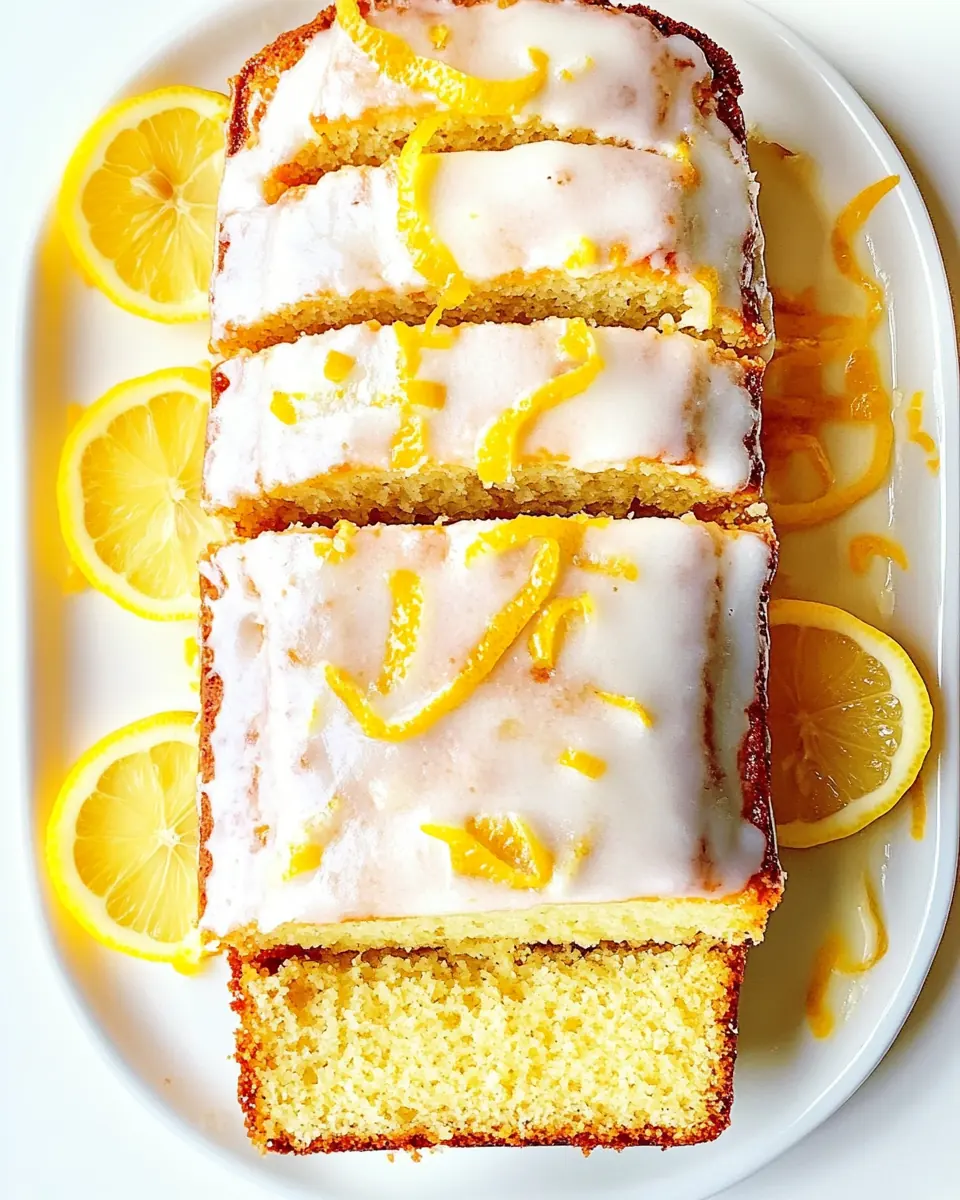
Drizzle the glaze over the loaf, slice, and enjoy: The glaze should bead and settle into the loaf's cracks, leaving a pretty finish and a burst of citrus in each bite. Use a spoon to control the drizzle, and let the glaze set a few minutes before slicing for cleaner cuts. If you slice too soon the glaze will smear, diminishing presentation. For neat slices, use a sharp serrated knife and wipe it between cuts.
The loaf can be wrapped tightly or stored in an airtight container for up to 3 days or frozen for up to 3 months: When cooled completely, wrapping protects moisture and prevents freezer burn, preserving texture and flavor. Thaw frozen slices at room temperature or gently warm in a low oven for a freshly baked feel. A common storage mistake is placing the warm loaf in a sealed container, which traps steam and creates sogginess, so always cool fully before wrapping.