Preheat oven to 325 degrees. Spray a loaf pan with nonstick cooking spray and set aside.: The warm air when you open the oven should feel steady, not blast hot, and the plan is to give the batter a gentle rise for an even crumb. Preheating ensures that the leavening begins reacting immediately, creating an even lift and a uniform interior. If you skip preheating you risk a dense loaf. A common mistake is placing the pan in a not fully heated oven, which leads to uneven rise and a gummy center.
In a large bowl, whisk together: flour, baking soda, salt, baking powder, and granulated sugar. Create a well in the middle of the ingredients and pour in the wet ingredients: maple syrup, oil, apple sauce, eggs, extracts, and lemon zest. Stir the center of wet ingredients first before starting to incorporate the wet into the dry. Stir until dry ingredients are just combined. Add in poppyseed and stir again gently.: flour, baking soda, salt, baking powder, and granulated sugar. : You will smell the faint sweetness of the sugar and notice a dry, sandy texture from the flour mixture, which is important so the leavening is distributed evenly. Whisking aerates these dry elements so the loaf gets a light lift. If you do not whisk thoroughly, pockets of baking soda or powder can create uneven flavor or holes. One trap here is measuring flour too compactly, which makes the mixture heavy and leads to a denser result.
Pour into prepared loaf pan and bake 50 minutes to 1 hour, or until a toothpick comes out clean. Cool 15 minutes in the pan before removing to a cooling rack. Cool completely.: maple syrup, oil, apple sauce, eggs, extracts, and lemon zest. : Look for the wet mixture to glisten as the oils and syrup catch the light, and the lemon zest will release its oils, offering a bright citrus scent. Making a well helps you combine wet and dry more gently, preventing overmixing when the batters meet. If you dump wet into dry all at once and overwork the batter, gluten develops and the loaf becomes tough. A typical mistake is not bringing the eggs to room temperature, which can make the batter sluggish and uneven.
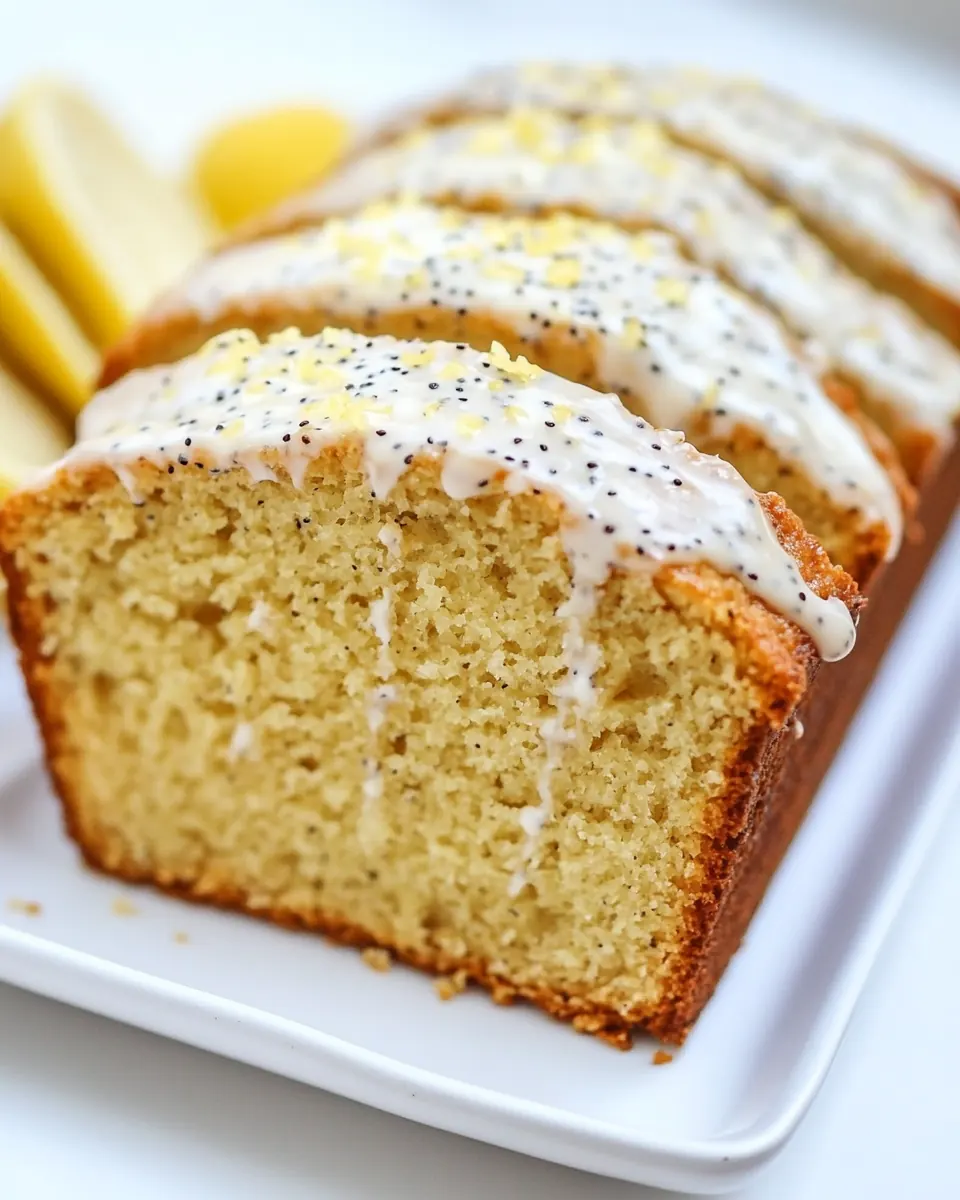
For the glaze, stir powdered sugar together with just enough lemon juice to create a thick glaze the consistency of white school glue. Drizzle generously over loaf and enjoy!: As you stir, the wet center should smooth out into a glossy pool dotted with zest, which indicates a cohesive mixture ready to meet the dry. This method ensures the heavier liquids blend before encountering flour, giving a more even batter. If you skip this and mix everything aggressively, you risk creating a flat, overdeveloped crumb. Watch for streaks of unmixed flour, as working past that point causes toughness.
Stir until dry ingredients are just combined.: You should stop when you see no large pockets of flour, but a few small streaks are fine, because residual mixing will equalize them. The batter will be slightly viscous and shiny from the maple syrup and oil. Overmixing at this stage makes the texture chewier and can produce tunnels. A common error is thinking a completely smooth batter is the goal in quick breads; that leads to a heavy loaf.
Add in poppyseed and stir again gently.: When the poppyseed is folded in, you will feel tiny specks through the batter and see the contrast against the pale mix, adding visual interest. Gentle folding keeps the seeds evenly dispersed without overworking the batter. Aggressive stirring can crush or clump seeds and toughen the dough. Avoid adding too many seeds which would shift texture balance.
Pour into prepared loaf pan and bake 50 minutes to 1 hour, or until a toothpick comes out clean.: As the loaf bakes, you will notice a gentle rise and the top gaining a light golden color, with a warm, citrus aroma filling the kitchen. The toothpick test is your best cue for doneness, because oven temps vary. If you remove too early the center will be underbaked and gummy. A common mistake is relying solely on surface color, which can mislead when ovens brown differently.
Cool 15 minutes in the pan before removing to a cooling rack.: Leaving the loaf to rest slightly helps it finish setting, and the steam that escapes will keep the crumb tender. After 15 minutes, the loaf should pull away lightly from the pan edges and feel slightly springy to the touch. If you try to slice it too soon, it can tear and compress. Another trap is letting it cool fully in the pan, which can create condensation on the bottom and a soggy texture.
Cool completely.: The loaf should reach room temperature so the glaze adheres and the interior firms without being dry. Cooling completely prevents the glaze from melting into a thin film and gives cleaner slices. If you glaze a warm loaf, the sugar will run off and form a hard sheet below the crust. A common error is impatience, which results in a messy glaze and less attractive slices.
For the glaze, stir powdered sugar together with just enough lemon juice to create a thick glaze the consistency of white school glue.: The powdered sugar will shimmer as you whisk, and the lemon juice lends a bright tang that cuts the sweetness. Aim for a pourable but thick texture so the glaze coats the loaf and sets to a glossy finish. If the glaze is too thin, it will soak in and disappear; if too thick, it will clump and not spread. A frequent mistake is adding all the juice at once, making the glaze too runny. Add lemon juice gradually and test the drip on a spoon.
Drizzle generously over loaf and enjoy!: As you drizzle, the glaze should form soft ribbons that slowly set, leaving a shiny top and delicate lemon aroma. Allow a few minutes for the glaze to firm before slicing to keep clean edges. If you slice immediately, the glaze may smear and tear. People often rush to taste, but letting it rest yields neater slices and better presentation.