Go Back
Lemon Poppy Seed Cookies

Lemon Poppy Seed Cookies

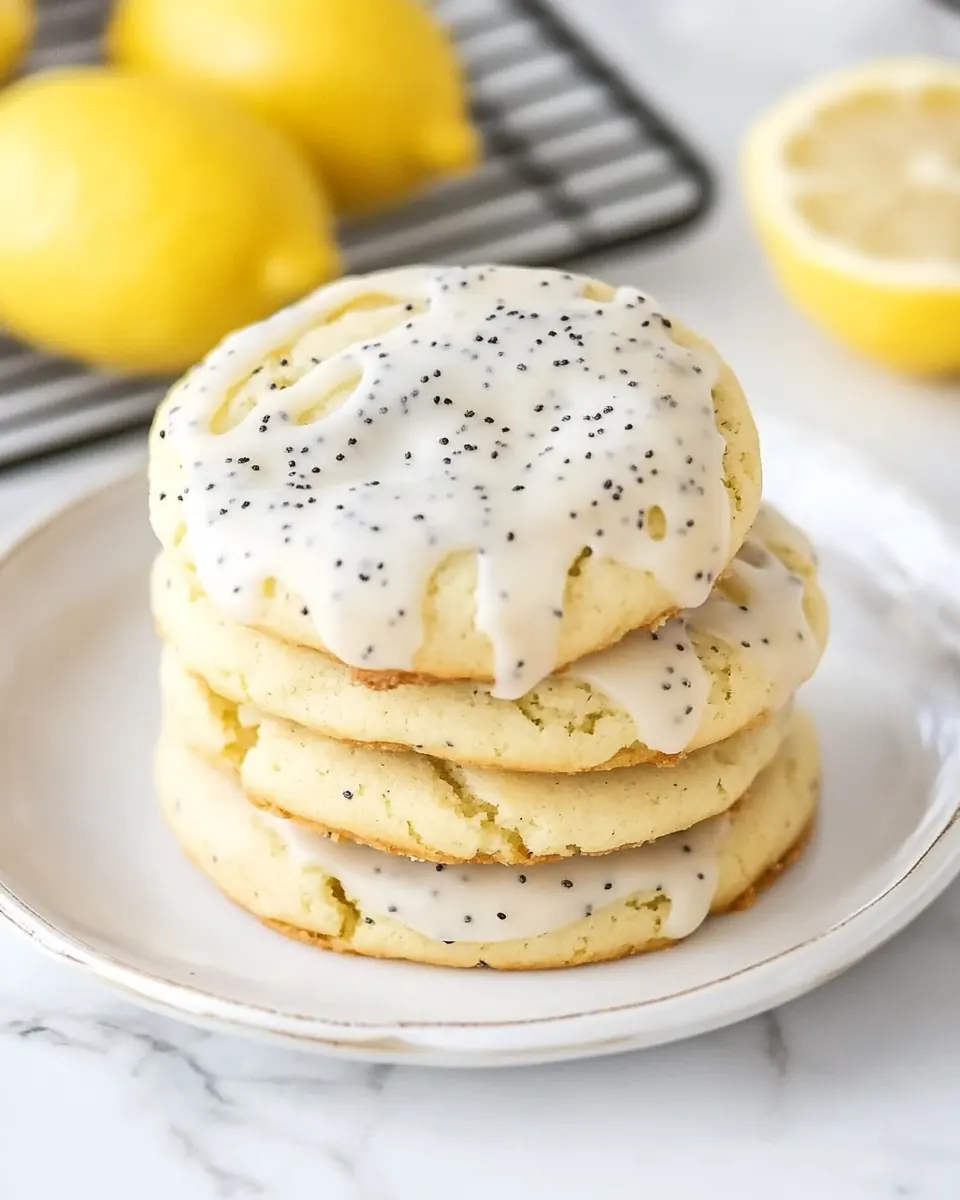
Lemon Poppy Seed Cookies are buttery, bright, and slightly crunchy, with a silky lemon glaze that melts on the tongue. These easy cookies offer a tender crumb studded with poppy seed pops and a fresh citrus lift, ideal for tea time or a spring gathering. Make a batch for a simple crowd pleasing treat that always disappears fast.
Prep Time 15 minutes
Cook Time 11 minutes
Total Time 26 minutes
Servings: 36 cookies
Course: Desserts
Cuisine: American
Calories: 120

Ingredients
  

  • 1 cup unsalted butter, softened Creamed until light and fluffy to provide a rich, tender base and help leaven the cookie dough through aeration. Adds moisture and carries flavors, ensuring a soft, melt-in-your-mouth texture when baked.
  • 1 1/4 cups white sugar Whisked into the butter to sweeten the dough and contribute to structure by interacting with creamed fat, creating a fine crumb. Balances tartness from citrus and helps with browning and spread during baking.
  • 1 teaspoon vanilla extract Added for aromatic depth and subtle sweetness, enhancing the cookie's overall flavor profile without overpowering lemon notes. Contributes a warm, familiar background that complements both butter and citrus.
  • 2 tablespoons lemon juice Stirred into the dough to add bright, acidic citrus flavor and tenderize by reacting slightly with leaveners for subtle lift. Balances sweetness and highlights the lemon character throughout the cookie.
  • 1 tablespoon lemon zest Folded into the batter to intensify fresh citrus aroma and provide concentrated lemon oils that boost flavor without extra liquid. Offers zesty, fragrant bursts that elevate the overall lemon profile in every bite.
  • 1 large egg, room temperature Beaten in to bind ingredients and add richness, promoting proper structure and moisture retention in the cookies. Contributes to a tender crumb and helps emulsify butter and liquids for uniform dough consistency.
  • 3 cups all-purpose flour Mixed into the dry ingredients to form the bulk of the cookie's structure and provide the necessary starches and proteins for crumb formation. Determines texture and density, absorbing liquids and allowing even spreading.
  • 1 teaspoon baking powder Sprinkled into the flour mixture to provide gentle lift and create a lighter, more tender cookie texture once baked. Works with baking soda and acidic components to develop appropriate rise and crumb.
  • 1/2 teaspoon baking soda Balanced with baking powder to assist with leavening and to react with acidic lemon juice for controlled rise and texture. Helps ensure the cookies are not overly dense and promotes slightly airy interiors.
  • 1/2 teaspoon salt Combined with dry ingredients to season the dough and enhance all flavors while controlling fermentation of leaveners. A small amount sharpens sweetness and balances citrus brightness for overall harmony.
  • 2 tablespoons poppy seeds Folded into the batter for delicate crunch and subtle nutty flavor, providing characteristic flecks and texture in each cookie. Adds visual interest and a pop of contrast against the tender crumb.
  • 3 cups powdered sugar, sifted Whisked into the glaze mixture and dusted on cookies for confectioners' sweetness and smooth mouthfeel, dissolving easily for a glossy finish. Helps balance tart lemon glaze and creates an appealing sweet coating.
  • 1/4 cup lemon juice Added to the glaze for pronounced lemon flavor and acidity, cutting through the powdered sugar to create a bright, tangy finish. Aids in thinning the icing to the desired consistency for drizzling or dipping.
  • 2 tablespoons milk Stirred into the glaze to loosen consistency and create a silky texture that spreads or drizzles smoothly over cookies. Contributes a touch of dairy richness that mellows the tartness of lemon juice and sugar.
  • 2 teaspoons lemon zest Zested into the glaze to amplify citrus aroma and provide tiny bursts of lemon oil, intensifying the finishing flavor. Offers concentrated fragrance that complements the dough's lemon elements for a cohesive profile.
  • 1/2 teaspoon vanilla extract Whisked into the glaze to add a hint of warm vanilla that layers with citrus for complexity and balance. Smooths harsh edges of acidity and enhances the overall sweetness perception of the icing.
  • lemon garnish Sliced or twisted as a final touch to visually enhance presentation and reinforce the lemon theme, offering optional fresh aroma. Can be used as a decorative accent that signals flavor and adds an inviting, aromatic note.

Equipment

  • cookie sheet
  • cookie scoop
  • zester
  • lemon squeezer
  • sifter

Method
 

  1. Preheat oven to 375°F and lightly grease two baking sheets. Set aside.: Warmth in the oven is noticeable right away, and when the oven reaches 375°F you ll smell a faint dry heat that tells you it s ready. Using greased cookie sheet s prevents sticking and helps the cookie edges crisp. A common mistake is placing cookies in a cool oven, which leads to overspread and dense texture. If your oven runs hot, rotate the sheets halfway through baking for even color.
  2. In a large bowl, cream butter and sugar until combined well. Add vanilla, lemon juice, lemon zest, and egg. Beat until light and fluffy.: When creaming, you should see the butter lighten in color and become airy, and the sugar should disappear into a smooth mixture. The aroma of lemon zest will become more pronounced, filling the bowl with citrus oils. This step matters because trapped air creates a tender crumb. Avoid overbeating into a soupy state, which can make the dough too loose; stop once the mixture is pale and holds soft peaks.
  3. In another bowl, whisk flour, baking powder, baking soda, salt, and poppy seeds.: Whisking dry ingredients produces a uniform blend where the baking powder and baking soda are evenly distributed, ensuring consistent rise. You ll notice the poppy seeds distributed through the flour visually, promising even crunch in every cookie. A mistake here is folding lumps of flour into the dough later, which causes uneven texture; sift or break up clumps before combining.
  4. Add dry ingredients to wet ingredients and mix on low until just combined.: At this stage you should hear a quiet, gentle mixing sound and see a cohesive dough form with no streaks of flour. The goal is minimal gluten development, which keeps the cookies tender. Overmixing will produce tough cookies, so stop when you can no longer see dry flour. If the mixture feels sticky from excess liquid, briefly chill it before scooping.
  5. Scoop dough into 1 1/2 inch balls using a medium cookie scoop and place on prepared baking sheets.: The dough should hold its shape when scooped, slightly tacky but not wet. Use a cookie scoop for consistent size, ensuring even baking time and uniform appearance. Space them to allow gentle spreading. A common error is making uneven balls, which bake at different rates, so level each scoop for even results.
  6. Bake for 9-11 minutes, or until the edges look lightly browned.: During baking, you ll notice the kitchen filling with citrus and buttery aromas; the tops should set and the edges take on a pale golden brown. The center may still look soft, and that s fine because cookies continue to set after removal. Overbaking creates dry, crumbly texture, so watch for the delicate browning cue. If your cookies brown too quickly, lower the oven temperature slightly for subsequent batches.
  7. Make icing by mixing powdered sugar, lemon juice, milk, zest, and vanilla until combined. Ice cookies with a spatula once cookies have cooled.: When you whisk the glaze, it should transform into a smooth, glossy mixture that drapes off the spoon in a ribbon. The addition of lemon juice gives it tang and thins the powdered sugar , while the milk builds creaminess. Spread with a small spatula or spoon; the icing will set to a delicate shell. If the glaze is too thin, add a little more powdered sugar ; if it s too thick, add a drop more lemon juice or milk . Avoid icing warm cookies as the glaze will run off and create a puddle.
Notes

  • Light glaze finish Use slightly less lemon juice in the icing for a thicker coat that holds shape and provides a delicate, sugary sheen on each cookie.
  • Extra citrus aroma Add an additional teaspoon of finely grated lemon zest into the dough for a more pronounced lemon perfume without altering acidity.
  • Toasty poppy seeds Briefly toast the poppy seeds in a dry skillet until fragrant to amplify their nutty notes, but cool them before folding into the dough to avoid altering texture.
  • Glaze texture control Adjust the ratio of powdered sugar to lemon juice to make a firm or drippy glaze, depending on whether you want a crisp shell or a glossy spread.
  • Make ahead Prepare dough, portion into balls, freeze on a tray, then bake from frozen adding a minute or two to the bake time for fresh cookies on demand.