In a large bowl, whisk together the flour, baking powder, and salt. In a small bowl, combine the sugar and lemon zest. Rub together with your fingers until fragrant. Whisk into the dry ingredients.: You will notice the dry mixture smelling faintly of grain and baking powder when it is well blended. Whisking distributes the baking powder evenly so pockets of leavening do not create uneven rise. A common mistake is dumping wet into dry without mixing first, which can leave lumps of baking powder that produce odd tasting spots, so take a moment to whisk until uniform and pale, with no visible streaks.
In a medium bowl, whisk together the yogurt, milk, lemon juice, eggs, oil, and vanilla. Add the wet ingredients to the dry ones, mixing only until combined. Stir in the poppy seeds.: Rubbing the lemon zest into the granulated sugar releases fragrant oils, and you will smell a bright citrus aroma as you work them together. This step intensifies lemon flavor throughout the pancakes rather than only in a few bites. If you skip rubbing, the zest will still contribute flavor but not as uniformly. Avoid zesting too coarsely which can leave noticeable pieces that may be bitter.
Heat a griddle pan or non-stick skillet over medium heat. Spray with cooking spray. Pour about 1/4 of a cup of pancake batter onto the hot griddle pan, spacing out the pancakes a few inches from each other. When the pancakes start to bubble up, flip and cook until pancakes are slightly golden brown. Serve warm with butter, maple syrup, fresh fruit, or jam if desired.: The tactile action warms the zest oils, and the sugar will take on a pale yellow hue and a floral lemon scent. This tactile step matters because it spreads the aroma and flavor through the sugar, infusing the batter. A pitfall is overdoing it and adding too much pressure which can bruise zest and release bitter pith if you accidentally include it.
Whisk into the dry ingredients.: After you add the sugar and zest to the dry mix, whisk until the bits are evenly distributed and the mixture looks consistent. You'll see small flecks of zest throughout the pale flour, an encouraging visual cue. If you do not incorporate this thoroughly, you may get concentrated sweet or lemony pockets, so whisk until evenly speckled.
In a medium bowl, whisk together the yogurt, milk, lemon juice, eggs, oil, and vanilla.: As you whisk, the mixture will smooth out and lighten slightly, and the aroma of vanilla and lemon will become more noticeable. This wet blend hydrates the yogurt , and the acid from the lemon juice enhances tenderness by interacting with the dairy. A common mistake is using cold ingredients which can cause the batter to clump, so bring eggs and milk to near room temperature when possible.
Add the wet ingredients to the dry ones, mixing only until combined.: After pouring, stir gently until you see no large streaks of flour but still expect some lumps. Overmixing develops gluten and yields tougher pancakes, so stop as soon as the components come together. The batter should look slightly lumpy, not glossy. If you see a smooth, uniform batter, you have probably overworked it and the pancakes may be denser.
Stir in the poppy seeds.: Fold the poppy seeds in just enough to disperse them; they will create tiny dark specks and add a light crunch. You should hear no sound change, but visually you will see even distribution. A misstep is adding too many seeds or stirring excessively, which can thicken the batter; follow the measured amount and fold gently.
Heat a griddle pan or non-stick skillet over medium heat.: Listen for a quiet hiss when the pan warms and test by flicking a few drops of water which should dance and evaporate. Proper heat ensures an even, golden exterior without burning. If the pan is too hot, pancakes will darken on the outside while remaining undercooked inside, so adjust heat to maintain a steady, moderate sizzle.
Spray with cooking spray.: A light coating prevents sticking and encourages even browning, and it will smell faintly of whatever spray you use. I prefer a quick spray between batches to maintain a clean surface. Using too much oil can cause uneven frying and greasier pancakes, so a thin mist is best.
Pour about 1/4 of a cup of pancake batter onto the hot griddle pan, spacing out the pancakes a few inches from each other.: You will see the batter spread slightly and begin to set at the edges, forming round pancakes. Proper spacing allows steam to escape and makes flipping easier. Avoid pouring batter too thin or too close together which can result in misshapen pancakes or difficulty flipping.
When the pancakes start to bubble up, flip and cook until pancakes are slightly golden brown.: Watch for small bubbles across the surface and edges that look set, this indicates readiness to flip. After flipping, the second side should take just a short time to develop a warm golden color and a tender interior. A frequent error is flipping too early or too late; timing by the bubble pattern and edge firmness gives the best results.
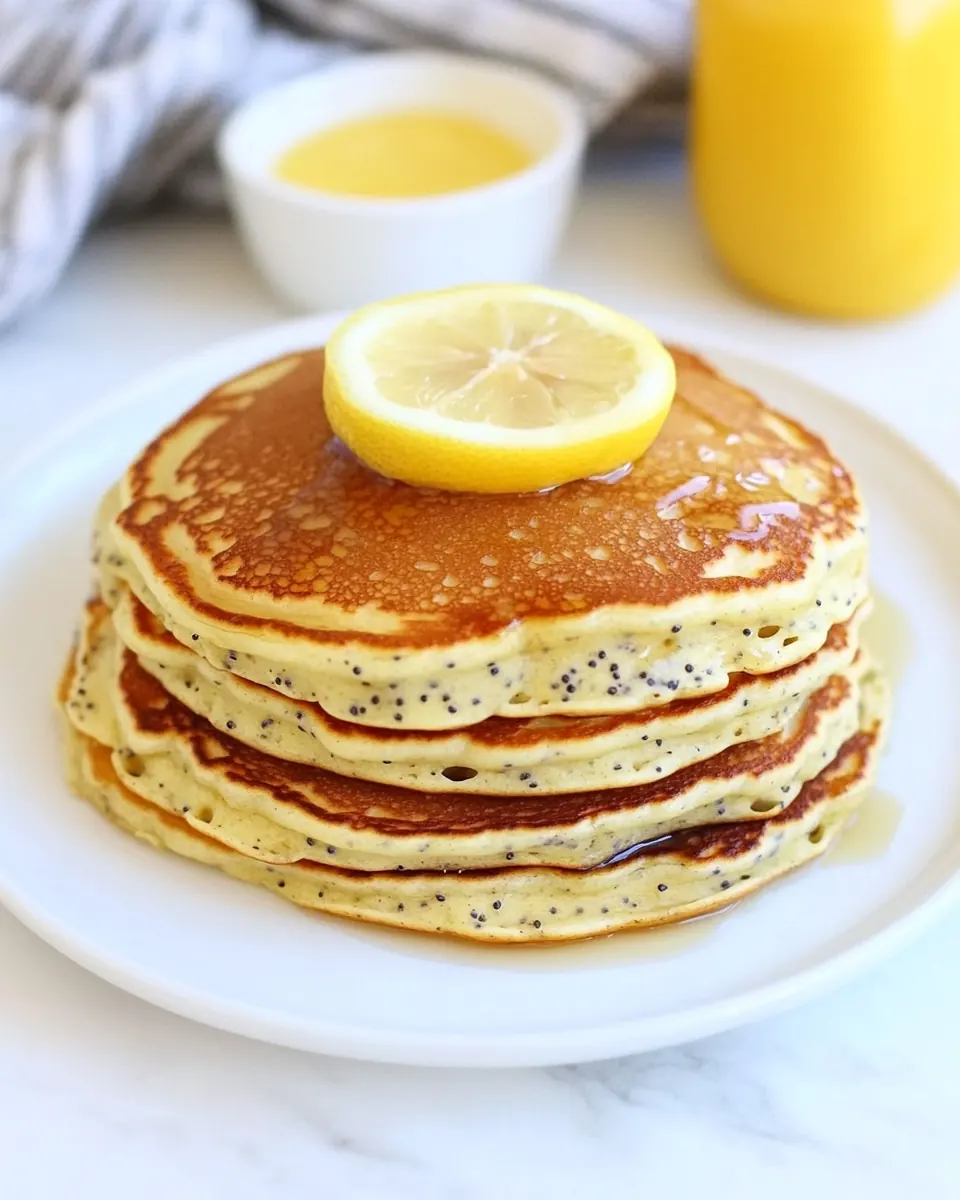
Serve warm with butter, maple syrup, fresh fruit, or jam if desired.: The steam rising from a fresh pancake signals the ideal serving window, and toppings like maple syrup will pool in the surface crevices, enhancing every bite. Serve immediately for best texture, as pancakes will soften as they cool. If holding a stack, keep them loosely tented in a warm oven to prevent sogginess.