Preheat the oven to 350°F, and line cupcake pan with cupcake liners.: The kitchen will smell faintly warm and inviting as the oven comes up to 350°F , and the heat creates a steady environment for even rise. I always check the oven thermometer the first time I use a new oven, because an oven that runs hot can brown cupcakes too quickly. A common mistake is skipping liners or using liners that do not fit, which leads to uneven baking and sticking. Make sure the pan is on the middle rack for the most even heat exposure.
Cream together butter and sugar until light and pale in a large bowl with an electric mixer. About 2 minutes.: As you beat butter and 3/4 cups sugar , you will notice the mixture lighten in color and take on a silky, slightly fluffy texture; this indicates air is being incorporated which helps the crumb. The sound will turn from a noisy scrape to a smoother whiz, and the aroma will be buttery and sweet. Overcreaming can warm the butter too much and cause structural problems in the oven, so stop when the mixture is glossy and pale. If it looks grainy after a couple minutes, scrape the bowl and continue briefly to ensure even creaming.
Add the eggs, lemon zest and juice, vanilla, salt, flour and baking powder. Mix at medium speed for 2 minutes, until well combined. Then fold in the raspberries.: As you add eggs one at a time, the batter will become more fluid and cohesive. The lemon oil from the zest of two lemons will perfume the batter with a bright citrus note. When you sift in 1 1/4 cup all purpose flour and 1/2 teaspoon baking powder , stir at medium speed just until combined to avoid developing gluten, which keeps the cupcakes tender. Folding in 1 1/4 cups fresh raspberries should be gentle; you want visible berry pieces without fully breaking them down. A common error is overmixing after the flour is added, which can yield dense cakes rather than light ones.
Divide the batter evenly in the cupcake liners, to the 2/3 level.: Use a spoon or a scoop to portion the batter so each cup is about two thirds full; this visual cue helps avoid overflow while allowing room for a nice dome. The batter should appear smooth and slightly glossy, dotted with raspberry bits, and when tapped lightly the surface should settle but not run. Uneven filling leads to uneven sizes and inconsistent baking times, so take a moment to level batter between tins if needed. If one cup looks much fuller, redistribute batter to keep baking time predictable.
Bake for 19-24 minutes, until golden. Transfer to a wire cooling rack to cool.: During baking, the cupcakes will develop a pale golden top and a faint citrus perfume will rise from the oven. A clean toothpick inserted into the center should come out with a few moist crumbs, not wet batter, which signals doneness. Remove promptly to a wire cooling rack so air can circulate and prevent sogginess from trapped steam. Leaving them in the pan too long can continue to cook the edges and dry them out, while opening the oven too often causes collapse. Trust the visual cues more than the clock.
For the buttercream, put the raspberries and lemon juice in a small saucepan over low heat. Heat them slowly until they begin to break down, then mash them with a fork, and simmer for 10 minutes. Press the cooked raspberries through a sieve to get the juice, and allow to cool.: As the raspberries and 1 1/2 tablespoon lemon juice soften, a fragrant steam will rise and the color will deepen to a vivid red. Simmering concentrates flavor and reduces excess water, which is important so the buttercream does not become soupy. Pressing through a sieve removes seeds for a silky finish. If you skip the simmering step, the frosting can be runny because of excess moisture. Cool the juice fully to avoid melting the butter later.
Beat the softened butter in a mixer for 5 minutes, until pale. Add the confectioners’ sugar in 2 stages, mixing for 2 minutes each time. When fully mixed, gradually add the raspberry juice and mix until the butter cream is pink, and fluffy in consistency.: You'll see the 1 cup unsalted butter softened transition from creamy to pale and lofty as air is worked in; it will make a faint, steady whirring sound. Adding 3 cups powdered sugar sifted in stages prevents a powdered sugar cloud and allows the mixture to remain silky. When the cooled raspberry juice is added, the buttercream will lighten and take on a delicate pink shade; mixing until fluffy ensures stability for piping. A common pitfall is adding the juice too quickly, which can cause the frosting to split or become runny. If that happens, chill briefly then rewhip.
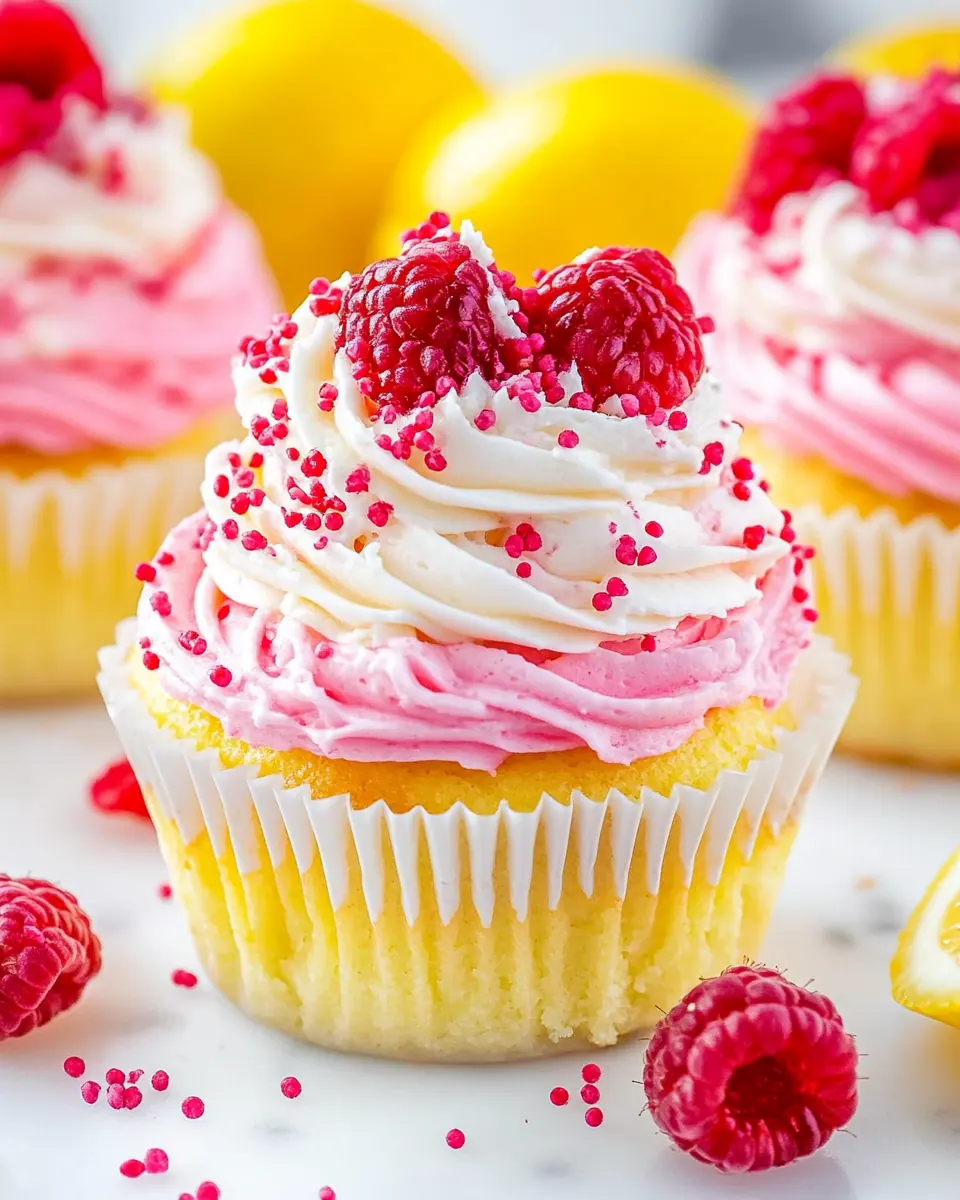
Pipe the icing on top of the cupcakes, and top each with a fresh raspberry, a sprinkling of freeze-dried raspberries if desired.: The final act is sensory rich, with the sweet, aromatic buttercream gliding from the piping bag and the bright fresh raspberries adding a tart, juicy bite. The visual contrast of pastel pink frosting and deep red berries is eye catching. If the frosting seems soft, chill the cupcakes briefly to firm it before transport. A typical mistake is overfilling the frosting bag which causes uneven piping pressure and messy decoration, so fill it modestly for control.