Go Back
Lemony Oregano Vegan Meatballs

Lemony Oregano Vegan Meatballs

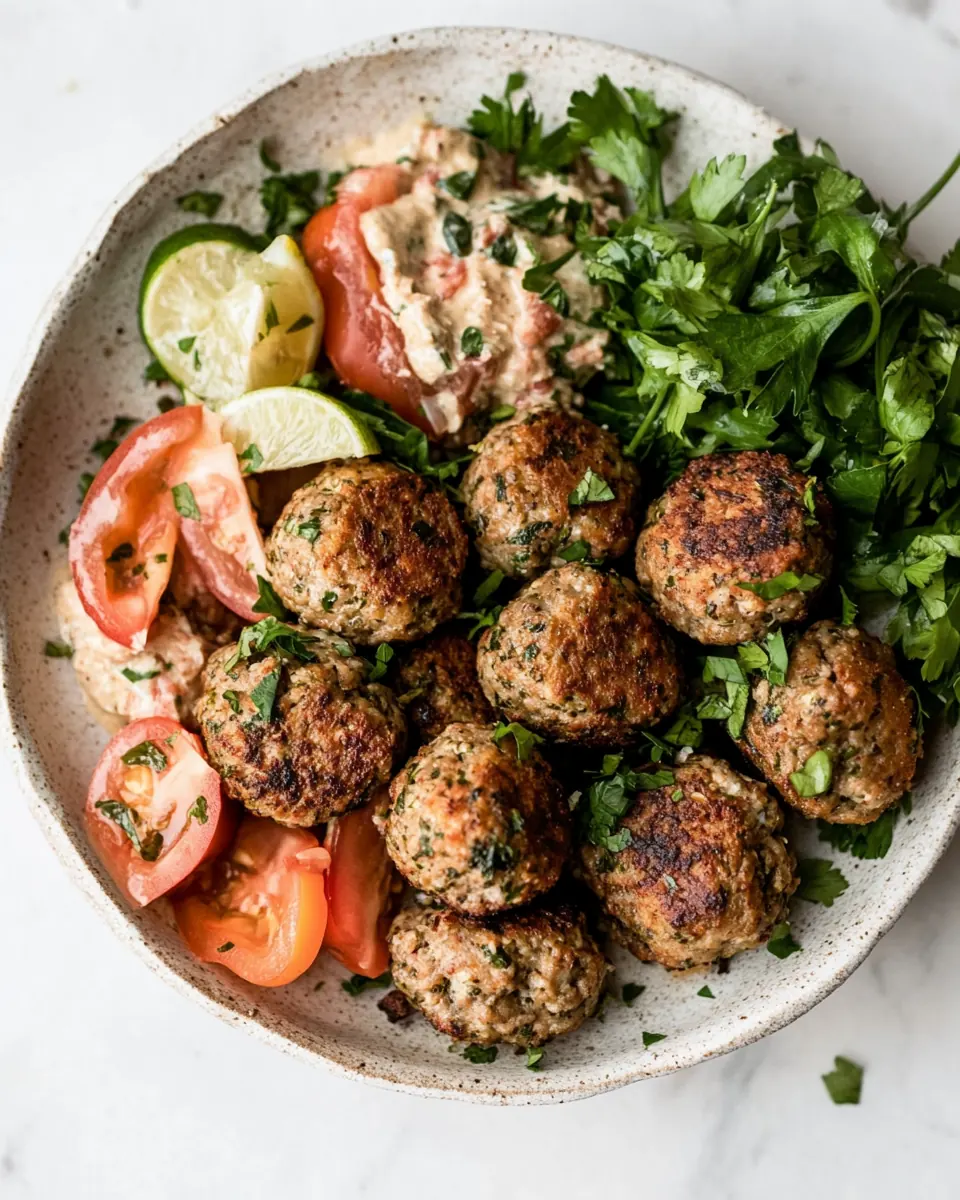
Lemony Oregano Vegan Meatballs are bright, creamy, and satisfyingly textured, combining toasted walnuts and white beans with fresh herbs and lemon for an easy weeknight dinner. These meatballs are crispy on the outside, tender inside, and full of herbaceous, savory notes that make them perfect for pasta, grain bowls, or a hummus platter. Make them for approachable plant based comfort that still feels special.
Prep Time 25 minutes
Cook Time 35 minutes
Total Time 1 hour
Servings: 18 Meatballs
Course: Dinner
Cuisine: Mediterranean
Calories: 180

Ingredients
  

  • 1 tablespoon ground flax seeds Provides a binding agent when mixed with water, creating a gelatinous flax 'egg' that helps hold the vegan meatballs together during mixing and baking. Adds a subtle nutty flavor and boosts fiber and omega-3 content for improved texture and nutrition. Should be finely ground to maximize its thickening ability and absorbency for consistent results.
  • 3 tablespoons water Hydrates the ground flax to form the viscous binder needed in place of eggs, helping the mixture set and maintain shape. Regulates moisture in the mixture so the meatballs are tender without being crumbly. Use the exact amount to achieve the correct flax gel consistency.
  • 1 tablespoon olive oil, plus extra Adds a silky mouthfeel and helps sauté the aromatics while contributing a mild fruity flavor; also assists in browning the onion and garlic. Contributes healthy monounsaturated fats that improve overall texture and satiety of the meatballs. Reserve extra for greasing the baking sheet or skillet to prevent sticking.
  • 1 small yellow onion, small dice (about 3/4 cup diced onion) Provides a sweet, aromatic base and textural contrast when finely diced and sautéed; its natural sugars help develop savory depth through caramelization. Contributes moisture and body to the mixture so the meatballs are flavorful and not dry. Chop small for even distribution and consistent bite.
  • 3 cloves garlic, minced Impacts overall savory profile with pungency and depth; minced garlic releases aromatic oils when cooked, enhancing umami and richness. Helps mask any bean or nut aftertastes and complements lemon and oregano for a bright, savory finish. Add during sautéeing to bloom its flavor without burning.
  • 1 tablespoon chopped fresh oregano Delivers fresh, herbaceous warmth and classic Mediterranean flavor that defines the recipe's character. Chopped fresh oregano brightens the mixture and pairs especially well with lemon and garlic, creating a fragrant herb profile. Use fresh leaves for the most pronounced, bright aroma.
  • 2 tablespoons nutritional yeast Contributes a savory, cheesy-like umami that enhances depth and richness without dairy, boosting the overall savory impression. Adds subtle nutty notes and helps round flavors, complementing nuts and beans. Also increases B-vitamin content and reinforces a satisfying mouthfeel.
  • 1/2 teaspoon ground chilies or crushed red pepper flakes Introduces heat and gentle smokiness or sharpness according to preference, giving the meatballs a hint of spiciness that balances citrus and herbs. Helps awaken palate and prevents the dish from tasting flat by adding a background kick. Adjust amount for milder or spicier results.
  • 1/2 teaspoon onion powder Provides concentrated onion flavor to reinforce the fresh diced onion, enhancing savory layers without adding moisture. Boosts overall aromatic complexity and supports the umami profile, especially helpful if onions are lightly cooked. Use measured amount to avoid overpowering delicate herbs.
  • sea salt and ground black pepper, to taste Seasoning to adjust overall taste balance, ensuring flavors are bright, savory, and well rounded; salt enhances other ingredients while black pepper adds mild heat and complexity. Allows customization for personal preference and the saltiness of added condiments like tamari. Add gradually and taste for proper seasoning before baking.
  • 1 1/2 tablespoons lemon juice Delivers bright acidity that lifts and balances the richness from nuts and olive oil, emphasizing the oregano and fresh herbs. Contributes to a fresh, zesty finish and helps prevent the mixture from tasting heavy or one-dimensional. Freshly squeezed is best for vibrant citrus aroma and flavor.
  • 1 cup walnut halves Supplies rich, buttery texture and a nutty backbone that contributes to the meatball's body and mouthfeel when chopped or pulsed. Provides healthy fats and a slightly crunchy textural element that blends with oats and beans to mimic ground meat. Toast lightly for deeper flavor if desired.
  • 3/4 cup rolled oats (certified GF if necessary) Acts as a binder and textural filler that absorbs moisture and helps the mixture hold shape while providing a chewy, whole-grain bite. Adds fiber and helps create a meatier texture when combined with nuts and beans, while remaining gluten-free if certified. Pulse slightly if a finer crumb is desired for smoother meatballs.
  • 1 1/2 cups cooked white beans, drained, rinsed, and toweled off (1 15oz can of white beans) Forms the primary protein and creamy base that gives the meatballs moisture, structure, and a soft interior when mashed. Offers neutral flavor profile that carries herbs, lemon, and spices while providing plant-based protein and fiber. Thoroughly drain and towel off to prevent excess moisture from making the mixture too wet.
  • 2 teaspoons tamari Imparts umami and salty depth to complement sea salt while enhancing overall savory complexity, especially important in plant-based recipes. Provides a gluten-free soy seasoning that deepens flavors without overpowering delicate herbs and lemon. Use measured amount to avoid excess saltiness.
  • 1 1/2 teaspoons lemon zest Adds concentrated citrus aroma and bright, rindy notes that intensify lemon flavor without adding more juice or acidity. Helps lift and freshen the herbaceous oregano and parsley, creating a balanced, zesty profile. Grate just the yellow outer layer to avoid bitterness from the pith.
  • 1/4 cup chopped fresh parsley Brings fresh, verdant flavor and a mild peppery note that enhances brightness and aromatic complexity in the meatballs. Adds color and freshness to each bite while complementing lemon and oregano for a Mediterranean herb trio. Chop finely to distribute evenly throughout the mixture.
  • 1/4 cup chopped fresh dill Contributes feathery, slightly sweet and tangy herbal notes that pair with parsley and lemon to amplify freshness and complexity. Provides an aromatic lift that lightens the richness of nuts and beans, adding a subtle green finish. Chop finely and fold in gently to preserve its delicate flavor.

Equipment

  • Food Processor

Method
 

  1. Preheat oven to 400°F. Line a baking sheet with parchment paper and set aside.: You will feel the kitchen change as the oven warms, a dry, warming hum that signals readiness. Setting parchment on the baking sheet prevents sticking and encourages even browning on the bottom of the meatballs. The oven at 400°F produces a hot ambient temperature that crisps the exterior while keeping the center tender. One common mistake is rushing to bake before the oven has fully reached temperature, which can lead to uneven browning; use an oven thermometer if yours runs cool.
  2. In a small bowl, combine the ground flax and water. Give it a stir and let it sit for at least 5 minutes to “gel.”: As the ground flax seeds absorb the water , the mixture will thicken into a sticky gel that looks glossy and slightly translucent. This texture mimics eggs and binds the mixture, so patience here matters. If you skip the rest time, you may find the mixture too loose and the meatballs will be crumbly, so allow the full five minutes.
  3. Set a medium sauté pan over medium heat. Add the olive oil and swirl it around. Add the diced onions to the pan and stir. Sauté the onions until slightly soft and translucent, about 5 minutes. Add the garlic and oregano to the pan and sauté for another minute. Finally, add the nutritional yeast, chili, onion powder, salt, and pepper to the pan and stir for about 30 seconds. Pour in their lemon juice and scrape up any browned bits on the bottom of the pan. Take the sauté pan off the heat and set aside to cool.: You will notice the olive oil shimmer and the onion soften, releasing a sweet aroma. When the garlic and oregano hit the pan, the scent becomes herbaceous and savory. The brief stir with nutritional yeast and spices amplifies that toasty umami, and the quick splash of lemon juice lifts everything and loosens any fond. Letting the mixture cool prevents the hot ingredients from softening the beans too much later. Avoid browning the garlic too long, as it will turn bitter.
  4. In the bowl of a food processor fitted with the “S” blade, place the walnut halves and the oats. Pulse the walnuts and oats until you have a coarse meal. Transfer the meal to a large bowl.: You'll hear the motor pulsing the walnut and rolled oats , and visually you'll see a coarse crumb that still has visible nut bits. This texture is intentional, providing a pleasing nubbly bite. If you overprocess into a powder, the mixture will be too uniform and lose textural interest, so pulse in short bursts and check frequently.
  5. Place the bowl of the food processor back on the motor base. Add the white beans to the food processor and pulse until they are ground up with a little bit of chunky bean bits still in the mix. Transfer the ground white beans to the large bowl with the ground walnuts and oats.: When pulsing the white beans , aim for a mix that is mostly mashed but retains some small bean fragments. The sound will change from loud motor whir to a more muffled buzz as the beans break down. These little chunks help with mouthfeel. Overprocessing into a smooth paste will leave you with an overly sticky interior, so stop while there is still a bit of texture.
  6. To the large bowl, add the flax gel mixture, sautéed onion and garlic mixture, tamari, lemon zest, parsley, dill, and big pinches of salt and pepper. Using a spatula or your hands, mix until thoroughly combined. Pinch off a bit of the mixture and give it a taste. Adjust the seasoning if necessary.: As you fold ingredients together, you will notice the mixture becoming cohesive and slightly tacky from the flax gel . The aroma should be herby and citrus forward with toasty walnut notes. Tasting is key here; I often add a pinch more sea salt or a squeeze more lemon juice to balance. A common error is under seasoning, which makes the finished meatballs bland, so taste and correct before shaping.
  7. Measure out 2 tablespoons of the white bean and walnut mixture per meatball and roll it into a ball. Once you’ve rolled out all of the mixture, place the meatballs on the lined baking sheet. Lightly brush all of the meatballs with olive oil and then slide the baking sheet into the oven.: Rolling by hand lets you sense the binder and moisture level, and the meatballs should hold without crumbling. The surface will be slightly tacky, and after brushing with olive oil they will glisten. The oil encourages a golden exterior in the oven. If the mixture feels too wet, chill it briefly; too dry a mix will crack, so aim for malleable consistency.
  8. Bake the meatballs for 25 minutes, or until the tops have dried out a bit, the meatballs are firm, and the bottoms are browned. Serve the meatballs with pasta, on a platter with hummus and tahini sauce, or even in a grain bowl setup!: During baking you will smell the walnut toasting and the herbs perfuming the oven. The exterior should feel set and the bottoms will show warm brown spots when you lift one. This timing yields tender centers and crisp outsides. A common mistake is overbaking which makes interiors dry; watch for slight give when pressed lightly.
Notes

  • Dry the beans well: Pat the canned white beans dry with paper towels so they do not introduce excess moisture which can make the mixture loose and hard to shape.
  • Pulse intentionally: Use short pulses when processing the walnut and rolled oats so you keep some texture; a completely smooth grind will yield a pasty interior.
  • Cool the sauté: Allow the onion and garlic mixture to cool to near room temperature before combining with the beans to prevent the beans from over softening.
  • Check seasoning late: After combining, pinch off a small piece and taste; you can correct salt, pepper, or lemon juice without having to rebalance the whole mix after baking.
  • Brush with oil for color: A light coat of olive oil before baking enhances browning and adds a glossy finish to the meatballs.