Preheat oven to 400 F/200 C. Spray a large glass or crockery casserole dish with non-stick spray.: As the oven warms you'll smell a faint toasty scent that tells you it's reaching temperature. This preheating step ensures the crumble starts baking immediately and the top can crisp while the filling warms through. If you skip preheating you risk uneven baking, with a soggy center and underbaked topping. A common mistake is not confirming the actual oven temperature, so use an oven thermometer if your oven runs hot or cold.
Cut butternut squash into same-size cubes about 1/2 inch square.: When you cut the butternut squash into uniform 1/2 inch cubes, they cook evenly and achieve a tender but intact texture. You should hear a soft scrape of the knife against the board, and the cubes will display bright orange interiors. Uneven pieces lead to some pieces becoming mushy while others stay firm, so take the extra minutes to match sizes carefully—this is where consistent texture is made.
Melt 1 T butter in large non-stick frying pan and start to cook squash over low heat while you cut up apples.: As the butter melts it will foam slightly and release a warm, nutty aroma; add the squash and listen for a gentle sizzle. Cooking on low lets the squash soften without browning too early, preserving a silky inside. A common error is turning the heat too high, which can brown the edges before the center softens, so keep the flame low and stir occasionally to promote even softening.
As you peel and cut each apple into small pieces, add it to frying pan, then add sweetener, cinnamon, and pumpkin pie spice. Cook the mixture until squash is fairly soft, about 10 minutes.: Adding the chopped apples progressively lets them start steaming and melding with the squash, while the monkfruit sweetener and spices begin to bloom and perfume the pan. You should notice a fragrant steam rising and a gentle clinking as pieces hit the hot pan. If apples are added all at once they can lower the pan temperature and slow cooking, so pace your prep to keep a steady simmer.
While mixture cooks, buzz the oatmeal in the food processor or mini-processor until it's in smallish crumbs.: As the fruit cooks you will see the edges soften and the mixture release a glossy sheen from the melted butter and juices. Stirring occasionally reveals tender centers and soft skins. The sound will be muted as moisture increases, and the aroma becomes warm and spiced. Avoid overcooking to mush, which removes textural contrast; aim for tender but slightly structured pieces.
Then combine almond meal, ground oatmeal, and sweetener in a plastic bowl.: Processing oatmeal into crumbs gives a rustic, slightly toasty texture to the topping and helps it bind with almond meal. You'll hear a rhythmic pulse from the processor and see coarse crumbs form, not flour. Overprocessing into fine powder will change the topping's bite, so pulse until you get small, sandy pieces.
Remove butter from freezer and using the large side of a metal grater, grate pieces of butter until you have 1/4 cup, as measured by the markings on the side of the butter wrapper.: Mixing these dry components sets the stage for a topping that browns and holds together. You should feel the mix shift under your fingers, and the sweetener will be distributed visually. A common mistake is uneven mixing, which leads to pockets of sweetness or dryness, so stir thoroughly until the color is uniform.
Then use a pastry blender or fork to combine the mixture until the butter is well distributed and the mixture looks crumbly.: Cold grated butter creates small bits that melt in the oven, producing flaky pockets in the crumble. The grated pieces should be cold and slightly firm to the touch, and you might hear a faint rasp as the butter meets metal. If the butter warms up, chill it again; warm butter will incorporate too smoothly and deprive the topping of flakiness.
Pour cooked squash/apple mixture into the bottom of casserole dish. Spread the crumble mixture over the top of apple/squash mixture in an even layer.: Working quickly, distribute the grated butter into the dry mix until you have coarse crumbs. You should feel coarse granules and see little yellow flecks of butter throughout. The visual cue is a crumbly, sandy texture rather than a paste. Overworking will melt the butter into the mix and result in a denser topping, so stop when coarse crumbs form.
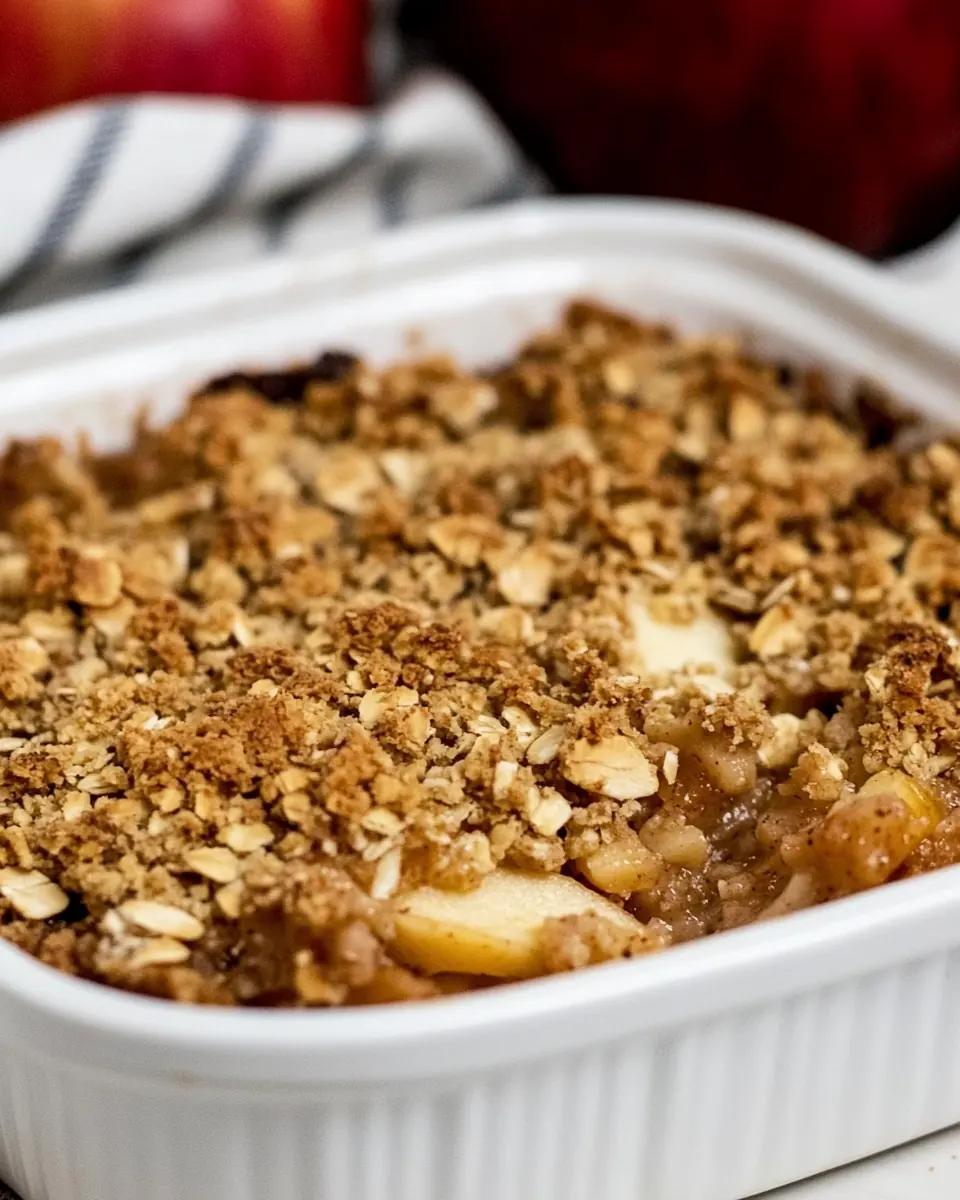
Bake 30 minutes, or until the mixture is slightly bubbling and lightly browned on top.: As you transfer the warm fruit, steam will rise and the filling will glisten, signaling it's ready for the topping. Spread the crumble evenly so it browns uniformly in the oven, pressing gently only if needed to close gaps. An uneven layer can lead to burnt edges or underbaked spots, so take a moment to level the surface carefully.
Serve hot.: During baking the kitchen will fill with warm spicy aromas, and the topping will transform from raw crumbs to a golden, crunchy crust. Watch for bubbling edges and a light golden color on the crumble as cues that it's ready. Opening the oven too often can drop the temperature and extend baking time, so rely on visual cues and the suggested bake window instead of frequent checks.
Serve hot.: The final sensory reward is the steam and aroma released when you open the dish, coupled with the contrast of warm filling and crisp topping. Serve immediately for the best textural experience, as the topping will soften over time. If left too long the crumble will lose its crispness, so plan to serve soon after baking to capture that ideal contrast.