Place chicken pieces into the bottom of a cold crockpot. Sprinkle with salt, pepper and 1/2 of the BBQ sauce. Stir to coat and cover with lid. Turn crockpot to high and cook 3-4 hours or until chicken is cooked thoroughly.: When you open the lid after slow cooking, the first thing you will notice is the deep, savory aroma of cooked chicken mingled with the BBQ sauce . The meat should be tender and yielding to a fork, with juices pooling at the bottom that smell slightly sweet and tangy. Slow cooking from cold helps the chicken warm gradually, preventing tough outer edges and promoting even moisture distribution, which is why we start cold. A common mistake is starting the crockpot on high with frozen pieces, which can cook unevenly, so always use thawed chicken . If the pot seems crowded, space the pieces a bit to allow heat circulation. Keep an eye on salt levels, since sauces vary in sodium.
Remove chicken from crockpot to a large, shallow dish and shred meat with two forks. Stir in remaining BBQ sauce and any extra cooking liquid to get the saucy consistency you'd like.: As you season, smell the pepper's sharp top note and the sauce's sweet smoke. The initial coating helps flavor penetrate the meat during the long cook, giving you seasoning that is layered rather than superficial. The reason for using half the sauce now is to both infuse the chicken during cooking and leave room to adjust sauciness after shredding. If you add too much sauce at this stage you risk thinning the final texture, so measure carefully. Stirring to coat helps ensure each piece is touched by sauce, but avoid vigorous stirring that can tear the meat before it is cooked.
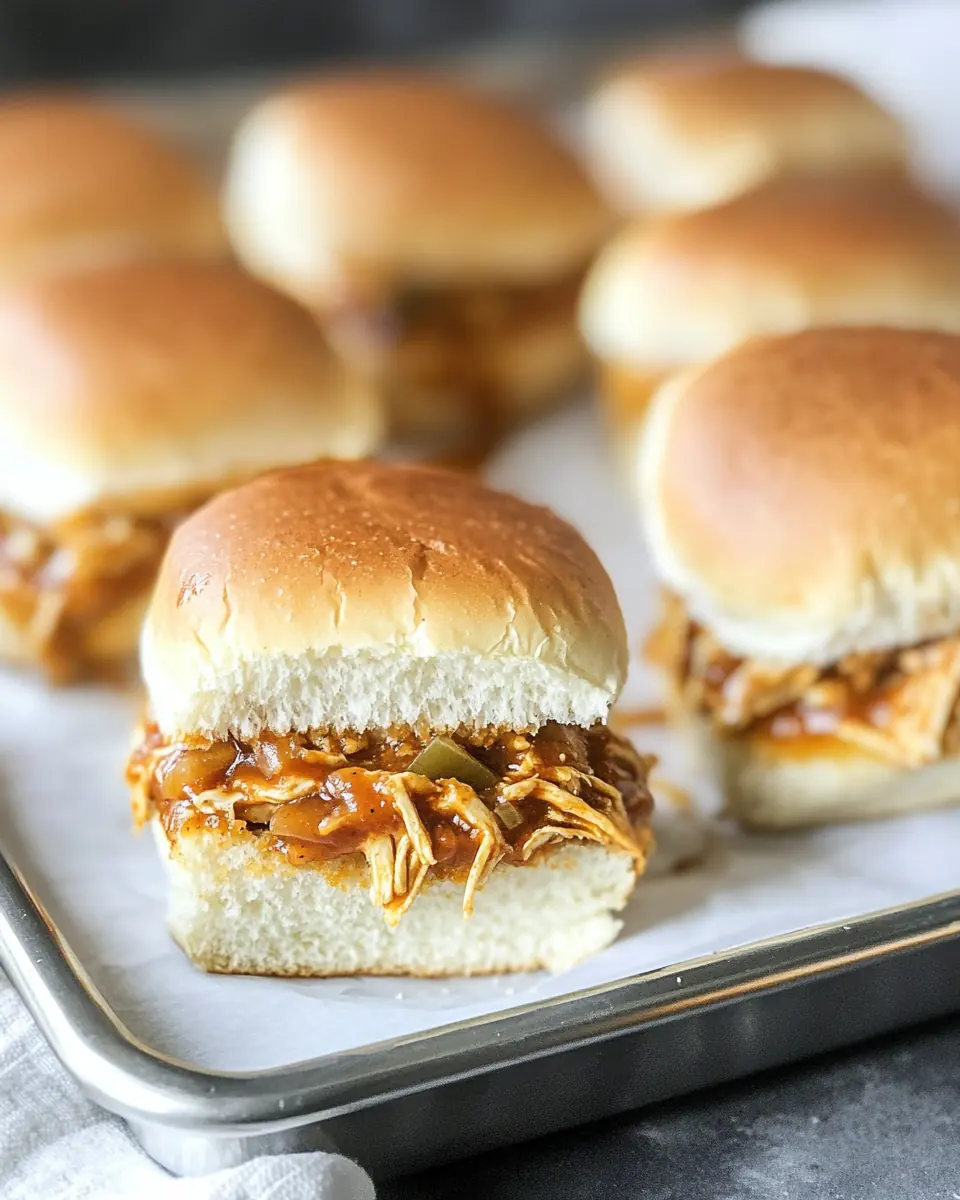
Cut Hawaiian Sweet Rolls in half and place the bottoms onto a baking sheet. Top with BBQ Chicken and grated cheddar cheese. Broil until completely melted. Top with dill pickle chips, slider roll tops and more bbq sauce if desired. Cut into individual sandwiches and serve immediately.: Once covered, the crockpot traps steam and creates a gentle convection that softens connective tissue in the chicken . You will notice condensation on the lid and a quiet simmering sound as the pot works. This moist environment is key for producing shreddable meat that stays juicy. A common error is lifting the lid frequently which releases heat and lengthens cooking time, so resist peeking unless necessary. If the lid does get taken off, give the crockpot a few extra minutes to recover to temperature before timing the end of cooking.
Turn crockpot to high and cook 3 to 4 hours or until chicken is cooked thoroughly: As the hours pass, the scent in your kitchen will evolve from raw to deeply savory with smoky undertones from the BBQ sauce . The chicken should come apart easily with a fork when it is ready, and there will be a glossy layer of sauce and juices in the pot. Cooking on high within that time frame allows for faster breakdown of fibers while still keeping moisture. Avoid the mistake of assuming a set time guarantees doneness, always check that the meat registers fully cooked and is shreddable. If the chicken seems dry at the end, stir in a splash of reserved sauce or cooking liquid to rehydrate it gently.
Remove chicken from crockpot to a large, shallow dish and shred meat with two forks: When you transfer the chicken , notice how easily the fibers separate and how the meat holds some sauce in its strands. Shredding in a shallow dish exposes more surface area for the remaining sauce to cling to, which enhances every bite. Use two forks to pull along the grain for longer strands, or chop for shorter pieces depending on your preference. One common mistake is shredding directly in a deep pot where juices concentrate and make the process messier, so work on a wide dish. Keep a spoon handy to scrape up flavorful bits from the crockpot and add them back in.
Stir in remaining BBQ sauce and any extra cooking liquid to get the saucy consistency you'd like: After shredding, you will smell an intensified mix of tang, smoke, and savory meat. Adding the remaining BBQ sauce lets you control viscosity and punch, so you can make the filling drier for neater sliders or saucier for a saucier bite. The cooking liquid contains concentrated flavor, so fold that in as needed, tasting as you go to balance sweetness and acidity. A typical pitfall is adding too much liquid which can make assembly soggy, so start conservatively and adjust incrementally. If the mixture is too thin, simmer briefly to reduce and thicken before assembling.
Cut Hawaiian Sweet Rolls in half and place the bottoms onto a baking sheet: The aroma of fresh rolls is warm and yeasty, and arranging the bottoms on a tray gives a stable base for assembly. Spacing them slightly allows hot air to circulate under the broiler and helps the cheese melt evenly. Be gentle when handling the soft rolls to preserve their shape. A mistake people make is stacking rolls too close which can trap steam and prevent browning, so leave a little breathing room on the sheet.
Top with BBQ Chicken and grated cheddar cheese: Pile a generous portion of the sauced chicken onto each roll bottom and sprinkle with the grated reduced fat cheese . The contrast between the saucy meat and the granular cheese is important because the cheese will melt and bind the filling, creating a cohesive bite. Watch the portion size to ensure each slider is easy to eat in one or two bites. One error is overfilling which leads to spills when eating, so aim for a balance that fits within the roll perimeter.
Broil until completely melted: Under the broiler the kitchen will fill with a toasty, caramelized scent as the cheese melts and the roll edges toast. Keep the oven door slightly ajar if your broiler requires it, and watch closely because broiling can transition from perfectly melted to burned very quickly. Visual cues include bubbling cheese and lightly browned edges. A common mistake is walking away, so remain attentive and remove the tray once the cheese has achieved a glossy, melted finish.
Top with dill pickle chips, slider roll tops and more bbq sauce if desired: Adding the dill pickle chips introduces a crisp, acidic brightness that cuts through the richness, and the touch of extra BBQ sauce can enhance juiciness. After placing the tops, press lightly to secure each slider. Serve immediately while the cheese is warm and the rolls are still tender. Avoid preassembling far in advance because the steam can make the rolls soggy; instead assemble right before serving for best texture.
Cut into individual sandwiches and serve immediately: When you slice the tray into individual portions the steam will rise and the aroma will invite everyone to dig in. The ideal serving temperature is warm so the cheese remains melty and the filling is easy to bite into. If storing leftovers, cool quickly and refrigerate in a sealed container to preserve moisture and flavor. A common oversight is letting assembled sliders sit at room temperature too long, which can affect texture and food safety, so serve promptly or refrigerate.