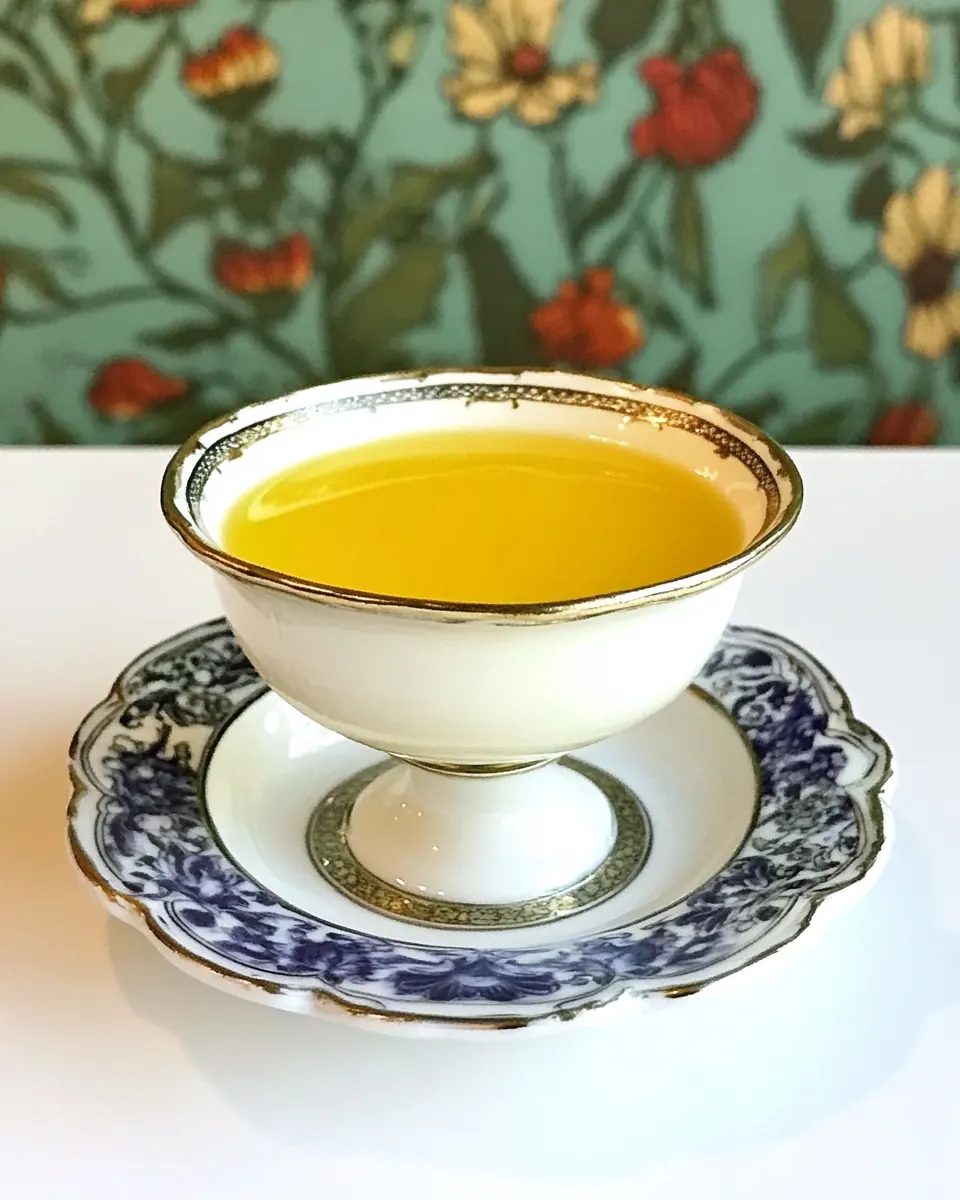
Preheat oven to 325 degrees F and butter the inside of the custard cups. Heat sugar and maple syrup in a small saucepan over medium heat.: As the oven warms you will notice a dry, warm scent in the kitchen, signaling the environment that will cook the custards gently. Properly buttered custard cups help prevent sticking and encourage an easy release if you decide to unmold. Be generous with the butter but avoid pooling fat at the base, which can steam. A common mistake is assuming any temperature is fine, but under preheating can lead to uneven baking.
Cook until large bubbles form and pile up on top of one another, as opposed to just boiling. Remove from heat.: The mixture will begin to liquefy and shimmer as the sugar dissolves into the maple syrup . You should hear a soft, gentle bubbling as the liquid warms. This step builds depth of flavor through gentle caramelization, so stay attentive to prevent sudden burning. Stirring helps distribute heat evenly, and a typical error is walking away which risks scorching.
In a medium saucepan, combine milk, cream and salt, heat, slowly bring to a boil. Immediately turn off the heat when the mixture begins to boil.: When the syrup stage is reached, you will see sustained, rounded bubbles that cluster and look thicker than simple boiling. This signals the syrup has reached a higher concentration and flavor focus. Removing it promptly avoids bitterness. The pitfall is leaving it too long, resulting in a burnt taste and dark color.
While whisking, slowly pour the syrup mixture into the milk mixture. Whisk until well combined and set aside.: The dairy will steam and release a faint sweet dairy aroma as it approaches boiling. That moment right before a full boil is crucial for integrating with the hot syrup safely; overheating can alter texture. Turning off the heat immediately preserves the tenderness of the liquids. Many cooks err by letting a rolling boil develop, which can scald and create off flavors.
In a medium mixing bowl, beat together the whole eggs and egg yolks. While whisking, slowly ladle the cream and syrup mixture into the beaten eggs, a little at a time. Continue adding until everything is well combined.: As you add the syrup you will notice the color deepen and a warm, toasty scent mingle with cream. Continuous whisking ensures a smooth emulsion and prevents the syrup from seizing. Set the combined mixture aside briefly to temper temperature before it touches eggs. A common mistake here is pouring too quickly which can create separation.
Place the custard cups into the bottom of a large roasting pan. Pour the custard mixture into the buttered custard cups, leaving roughly 1/2" of head space. This can be done easily by transferring the custard mixture to a large measuring cup with a pouring spout. Add warm water to the bottom of the pan until it reaches 2/3 the way up the sides of the custard cups. Place the pan in the oven and carefully top off with enough water so that it is level with the filling in the custard cups. This prevents water from spilling over into the cups as you're transferring the pan to the oven.: The eggs will brighten in color as they incorporate the warm dairy, and the whisking should feel steady and rhythmic. This tempering prevents curdling by gently raising the eggs temperature. The why is simple, it keeps the custard smooth. Avoid dumping all the hot liquid in at once, or you'll end up with scrambled egg bits.
Add warm water to the bottom of the pan until it reaches 2/3 the way up the sides of the custard cups. Place the pan in the oven and carefully top off with enough water so that it is level with the filling in the custard cups. This prevents water from spilling over into the cups as you're transferring the pan to the oven. Bake for 80-90 minutes, or until the centers of the custards are set.: As you pour the custard into the cups, you should see a glossy surface that captures light. The water bath creates a gentle, even heat and prevents the edges from cooking faster than the center. Leaving head space accommodates slight expansion and prevents boil over. A common misstep is using cold water, which can shock the cooking environment and lead to uneven textures.
Remove the custards from the oven. Cover and allow them to set up in the refrigerator overnight. To make the orange sauce, combine the ingredients in a small saucepan. Stir to combine and heat until thickened. Remove from heat and allow to come to room temperature before serving.: In the oven the custards will slowly firm from the edges inward, and you may hear an almost inaudible quiet as they settle. Visual cues include a slight jiggle in the center and a matte surface that has lost its raw sheen. The long, gentle bake creates that creamy set without curdling. A mistake is checking too early, which can cause unnecessary temperature swings that affect the final texture.
Serve the custards with the orange sauce and fresh whipped cream. They can be served directly in the cups (I prefer it this way) or un-molded by running a thin knife around the edge and turning out onto a serving plate. If the custard is stubborn to come loose, dip the bottoms of the custard bowls into a dish of hot water for a few seconds to help the custard inside loosen a bit.: Once out of the oven the custards will settle and continue to firm as they cool, and chilling overnight helps flavors meld while the texture becomes silkier. For the sauce, simmering will concentrate the orange juice and sugar , releasing bright citrus aromas and developing a glossy sheen. Cooling the sauce prevents it from breaking the chilled custard's texture when plated. A common error is rushing the chill time, leaving a custard too loose at serving.
Serve the custards with the orange sauce and fresh whipped cream. They can be served directly in the cups (I prefer it this way) or un-molded by running a thin knife around the edge and turning out onto a serving plate. If the custard is stubborn to come loose, dip the bottoms of the custard bowls into a dish of hot water for a few seconds to help the custard inside loosen a bit: The final presentation combines textures and temperatures, a cool silky custard with a slightly warm or room temperature sauce, and if you choose to add whipped cream it provides an airy contrast. When unmolding, a confident twist will release the custard cleanly and the surface should glisten. A frequent slip is forcing an unmold which can crack the custard; gentle coaxing usually works best.