Preheat oven to 425 degrees F.: You will feel the kitchen warm as the oven reaches temperature, and the high heat is important because it encourages quick caramelization on the outside while keeping the center of the salmon moist. If the oven is not fully heated the first visual cue you will miss is the immediate browning on the brussels sprouts and fruit. A common mistake is placing the tray in a preheating oven, which leads to uneven roast. Make sure your rack is positioned in the center and allow the oven to signal it has reached the full 425 degrees F before inserting anything.
In a 9 x 13 inch baking dish, whisk together the maple, soy sauce, orange juice, cayenne, and pepper. Place the salmon flesh side down in the maple sauce. Let sit 15 minutes.: The mixture will look glossy and slightly thin at first, and whisking helps integrate the maple syrup and soy sauce so the glaze clings evenly. When you place the salmon flesh side down, notice how the sauce pools around it, lightly coating the surface. That brief marinade allows the flavors to penetrate the top layer without denaturing the fish. As it sits, the scent of orange juice brightens the room and the cayenne gives a warm aromatic edge. Avoid leaving the fish too long in an acidic mix or the texture can start to change; 15 minutes is perfect to add flavor while preserving the integrity of the fillet.
On a baking sheet, combine the brussels sprouts, pears, olive oil, salt and pepper. Toss well to evenly coat. Place in the oven and roast for 15 minutes.: Tossing the halved brussels sprouts and quartered pears with olive oil should leave them with a light sheen, and when you slide the pan into the hot oven you will begin to smell a toasty, vegetal sweetness almost immediately. After the first 15 minutes, edges should show golden and some leaves may curl and char slightly, signaling caramelization. The key is space on the sheet so they roast rather than steam. If items sit too close together the moisture will trap and prevent crisping.
After 15 minutes, remove the salmon from the maple sauce and add to the baking sheet with the brussels sprouts and pears. Transfer to the oven and roast for an additional 10-15 minutes, or until the salmon has reached your desired doneness.: When you transfer the salmon to the sheet, the sizzling is a rewarding sign that the hot pan is interacting with the sauce and oils. The visual cue for doneness is when the surface of the salmon looks opaque and flakes easily with gentle pressure, and the edges will take on a pale caramel hue from the glaze. Listen for a faint crackle as juices bubble; that means the sugars are concentrating. A common trap is overcooking, which dries the fish. Use a fork to check a thicker piece at the thickest point, and remove toward the earlier side of the timing if you prefer a moist center.
Meanwhile, pour the remaining maple sauce into a small sauce pan and bring to a boil over high heat. Cook for 3-5 minutes or until the sauce has reduced into a glaze.: As the sauce reduces, it will thicken and darken slightly, releasing a concentrated maple aroma with savory undertones. You should see a gentle bubbling and the surface will move slower as it reaches glaze consistency. Stirring occasionally keeps it even and prevents sticking. Be attentive near the end because the sugars can go from perfect to burnt quickly. If it becomes too thick, a splash of orange juice will loosen it again, but aim for a syrupy coat that will cling when drizzled.
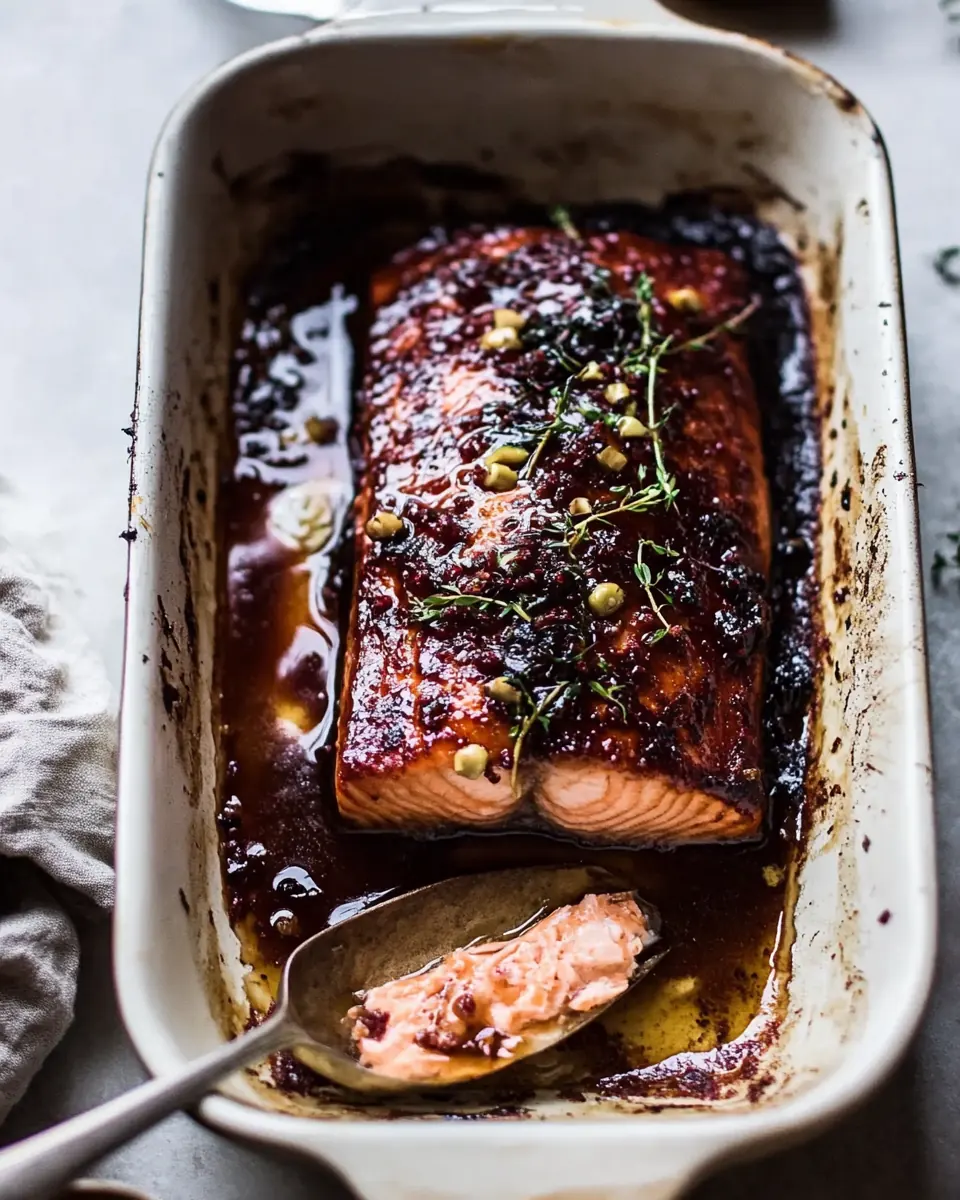
Drizzle the glaze over the salmon and serve with a side of the roasted brussels sprouts and pears.: The final act of drizzling releases a glossy shine and a layered scent of sweet, salty and citrus. When you spoon the glaze over the hot salmon , it warms and settles into crevices, enhancing each bite. Garnish with optional pomegranate arils if you like a tart contrast and visual pop. A frequent oversight is waiting too long to glaze, because a cold glaze will not spread as smoothly. Serve promptly so the fish remains tender and the vegetables retain their pleasant contrast of textures.