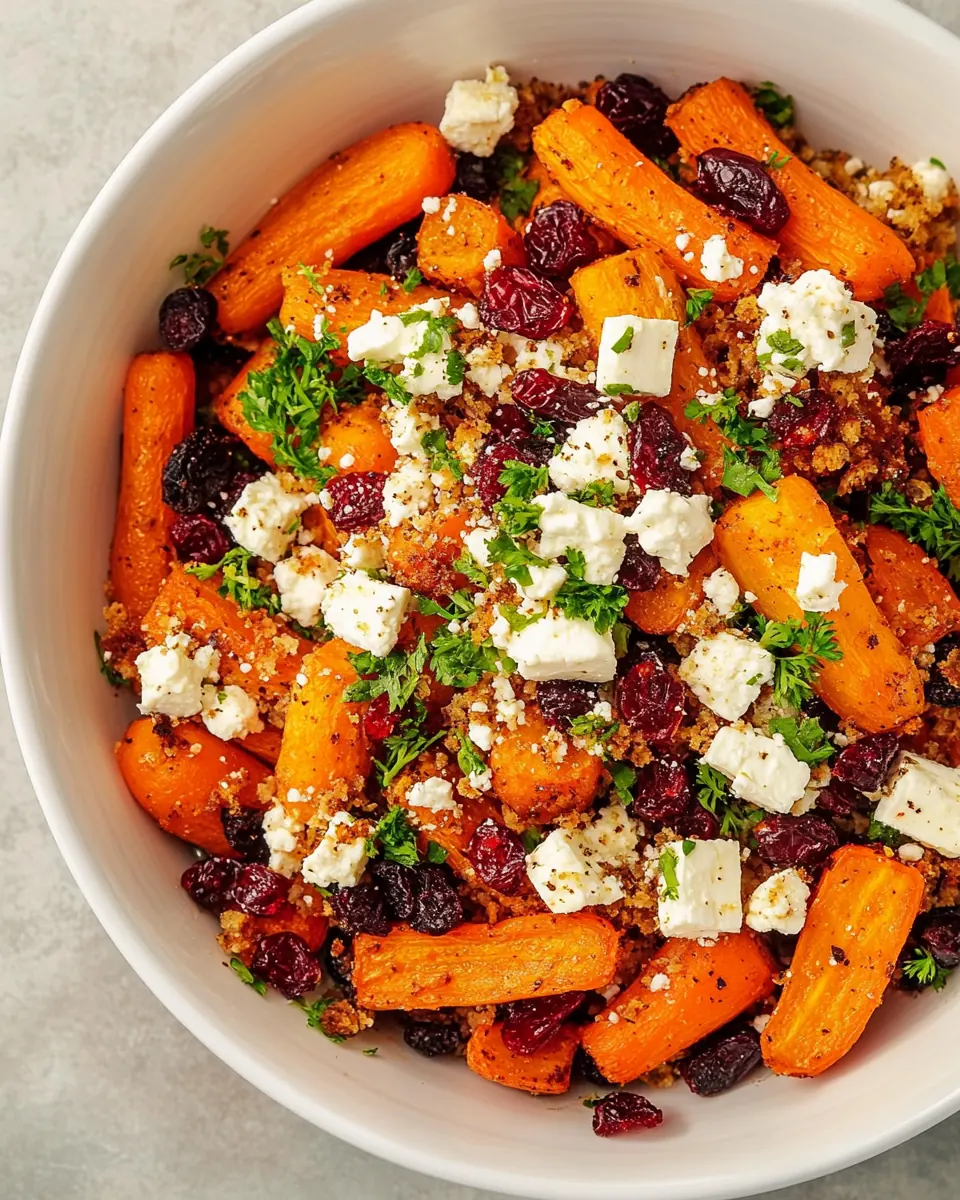
Preheat the oven to 420 degrees Fahrenheit and lightly spray a large baking sheet with cooking spray.: As the oven warms to 420 degrees Fahrenheit , you will notice the air in the room turn dry and slightly warm, a cue that the oven is ready to encourage rapid caramelization on the surface of the carrots . Preheating ensures the moment the tray goes in the oven the exterior starts browning instead of slowly steaming, which is key for a glossy, slightly crisp texture. Lightly spraying the large baking sheet prevents sticking, which preserves the browned bits that hold a lot of flavor. A common mistake is not preheating long enough, which leads to longer bake times and limp, pale carrots . If you smell any acrid scent, your oven may need cleaning before roasting, because burned residue will taint the aroma of the dish.
Wash and scrub the carrots well to get any dirt off the outside.: Running cool water over the carrots and using a firm brush removes grit and prepares the skin to take in the glaze. You'll feel the difference between velvet smooth market carrots and those with clingy soil, and clean surfaces brown more evenly because there are no pockets of moisture trapped in dirt. Dry the carrots thoroughly with a towel; excess water will steam them in the oven instead of roasting. A frequent oversight is skipping the dry step, which results in less caramelization and a softer texture than intended.
Use a sharp knife to cut the carrots into diagonal slices, about 1/4-inch thick.: Slicing on the diagonal exposes more surface area and creates elegant, oblong pieces that caramelize beautifully. A sharp knife gives clean cuts and preserves texture, whereas a dull blade can bruise the carrots , making their edges ragged and less attractive when roasted. Aim for consistent thickness so pieces finish at the same time; uneven slices lead to some pieces being underdone while others are overcooked. Cutting too thin will speed cooking dramatically, so watch closely if your slices are smaller than 1/4 inch.
Transfer the carrots to a large bowl along with the melted butter, avocado oil, pure maple syrup, and sea salt. Toss everything together until the carrots are well-coated.: When you toss the carrots with the butter , avocado oil , maple syrup , and sea salt , the mixture takes on a glossy sheen and the aromas meld into something warm and sweet with a savory edge. The combination ensures each piece is evenly coated, which promotes uniform browning and flavor. Massage the glaze into the carrots with your hands or a spatula so every slice has some syrup clinging to it. A common slip is undercoating, leaving pale spots that will not caramelize; conversely, overdoing the syrup makes puddles on the pan that can burn, so aim for a light, even coat.
Pour the carrots onto the prepared baking sheet, including any excess liquid, and spread them into a single layer.: Spreading the carrots in one even layer is the secret to getting those attractive golden edges, because it prevents steaming and encourages direct contact with the hot metal. You should hear a faint sizzle as they hit the pan, which signals moisture beginning to evaporate and sugars starting to concentrate. If pieces overlap or crowd, they will steam and become limp instead of developing a caramelized exterior. If the baking sheet seems overloaded, use two trays to keep pieces single layered.
Bake for 18 to 22 minutes, or until the carrots are golden-brown and have reached your desired level of doneness. Allow carrots to cool completely on the roasting pan before using a spatula to transfer them to a large serving bowl. Note: thinner sliced carrots will need about 15 minutes whereas thicker carrots will need closer to 20.: During roasting you will notice the kitchen filling with a warm, toasted sweetness as the maple syrup concentrates and the edges brown. Listen for a faint popping or the quiet hiss of moisture leaving the carrots . Visual cues matter here more than the clock; aim for deep golden patches and tender centers when pierced with a fork. Thinner slices may take closer to 15 minutes, while thicker pieces need the full 20 minutes or a touch longer. Avoid opening the oven too often, as that lowers the temperature and lengthens roasting time. If you see dark, sticky bits that look burnt rather than caramelized, reduce temperature slightly next time.
Add the feta cheese, dried cranberries, walnuts and fresh parsley to the bowl with the carrots and toss to combine.: Letting the carrots rest for a few minutes on the hot pan allows the glaze to set and the exterior to firm up slightly, which helps maintain the glossy coating when you move them. The aroma during resting is particularly inviting, a mix of butter, maple, and toasted notes. Use a thin spatula to gently lift the pieces so you keep the browned crust intact. Rushing this step often results in the glaze sliding off and a loss of those concentrated flavors, so be patient for best texture.
Serve maple roasted carrots with your main dish and enjoy!: The moment you fold in crumbled feta cheese , chewy dried cranberries , toasted walnuts , and bright parsley , the dish comes alive with contrast. The cool, tangy feta cheese softens some of the heat from the carrots while the dried cranberries add bursts of chewy sweetness, and the walnuts provide crunchy counterpoints. Toss gently so the feta cheese stays intact and the walnuts remain distinct. Overmixing can break the crumbles and bruise the herbs, losing the intended texture balance.
Serve maple roasted carrots with your main dish and enjoy: Serve the dish warm or at room temperature so the flavors remain balanced. The plate will look inviting, with glossy caramelized carrots studded by white feta cheese , red dried cranberries , and golden toasted walnuts , finished with flecks of green parsley . This is a relaxed, family friendly presentation that works at holidays or for weekday dinners. A common mistake is serving it too hot, which can soften the feta cheese and wilt the herbs; letting it cool slightly preserves texture and contrast.