Scrub the potatoes clean and add to a deep pot. Completely cover the potatoes with water, about 1/2 inch above the potatoes. Bring the potatoes to a boil and add 1/2 teaspoon of kosher salt. Boil the potatoes for 20 to 30 minutes or until they are very easily pierced with a fork and the skin pulls away from the potato where cut.: The sound of water against the potatoes is comforting, and scrubbing removes dirt while leaving the flavorful skins intact. You should see the skins brighten as you clean them, and the potatoes should feel firm and free of soft spots. Use a vegetable brush and cold water for the best result. A common mistake is rushing this step, which can leave grit behind and a sandy texture in the mash. The why here is simple, cleaned skins help preserve flavor and reduce waste, and they also save time since you won’t need to peel. If any potato has bruises, cut them away with a paring knife before boiling, and avoid using warm water for the initial scrub to keep the potatoes from becoming soft too early.
Drain the potatoes, and while still hot, use a paper towel to wipe the skin away from the potatoes, then add back to the warm pot.: When the potatoes sit evenly under water, they cook uniformly, which is crucial for even doneness. You should hear a gentle pour and see the water level settle a little over the potatoes. If the water is too low, the tops can dry and cook differently; if it is too high, you waste energy. A typical error is underfilling the pot, which causes uneven cooking and a mix of overcooked and undercooked pieces. The goal is to maintain steady boiling without frantic splashing, so choose a pot that leaves enough room for the water to circulate without spilling.
Gently smash the hot potatoes with the tines of a hand mixer and add the butter to the potatoes. Cover with a lid for the butter to melt, about 3-4 minutes.: The water will move from still to churning, producing a steady rolling boil. Adding salt at this stage seasons the potatoes internally. You will notice the aroma lift slightly when salt dissolves into boiling water. A frequent misstep is adding too much salt too late, which can make the center of the potato taste flat. The reason to salinate now is to infuse flavor during the cook, ensuring the interior is seasoned the same as the surface. Keep an eye on the boil so it does not become aggressive, which can break the potatoes apart.
Add the half-and-half or other liquid dairy to the pot and set it in the kitchen sink so the potatoes don't fly around the kitchen while whipping. Cream the potatoes with the hand mixer until smooth, rotating the pot counterclockwise as you mix. Don't over-mix the potatoes. Add the remaining 1/2 teaspoon of kosher salt and black pepper to taste, and add more dairy to get the consistency you like best.: The sound of active bubbling will soften into a gentler simmer as the boiling continues. Test doneness by inserting a fork near the center, you should feel minimal resistance and see the fork glide through. The skin should slightly separate at a fresh cut, signaling full tenderness. A common error is undercooking, which leads to lumpy mash; overcooking can waterlog them. The why is crucial, fully cooked potatoes break down easily and absorb butter and dairy smoothly, creating a silky texture rather than rough chunks.
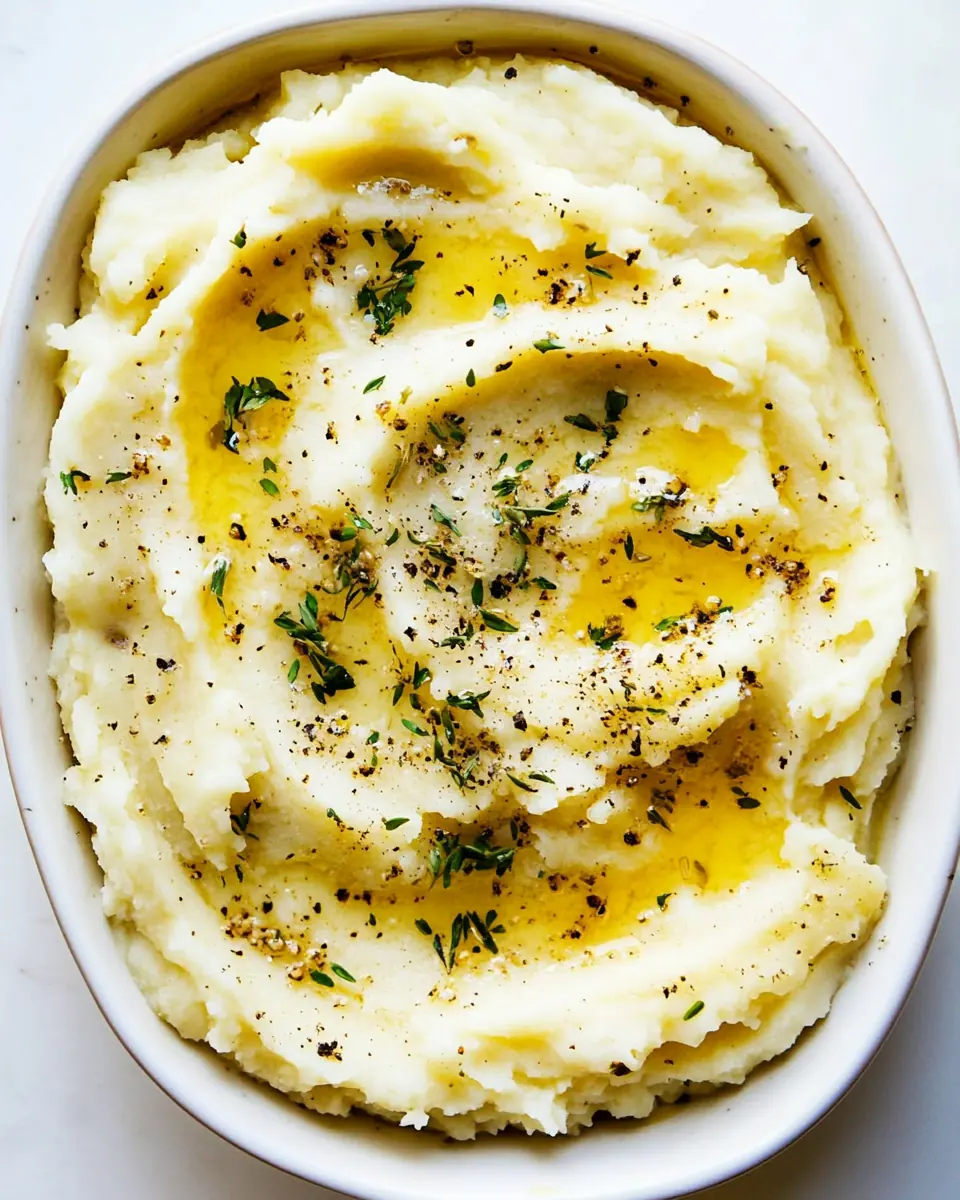
Add more butter if you'd like, and garnish with minced chives, or green onions, or serve plain.: Draining removes cooking water that would otherwise dilute flavor and texture. The sound of water draining out and the hiss as steam escapes are cues that the potatoes retained heat. Wiping the skins off while the potatoes are hot helps retain the potato flesh and makes for a cleaner, fluffier mash. Be careful not to overhandle them, which can force too much moisture out. This step matters because returning the potatoes to the warm pot dries off surface moisture, priming them to absorb butter and dairy rather than becoming soggy.
Gently smash the hot potatoes with the tines of a hand mixer and add the butter to the potatoes: As you mash, you will hear a soft mechanical hum and feel the resistance lessen as lumps break down. The butter will begin to melt into small gold puddles, releasing a rich aroma. Melting the butter into hot potatoes first coats starch granules, protecting them against overworking and gumminess. A common mistake is using a high powered speed immediately, which can whip air into the potatoes and create a gluey texture. Instead, start slow and use short pulses to combine, preserving a creamy body.
Cover with a lid for the butter to melt, about 3 to 4 minutes: The lid traps warmth and steam, letting the butter melt gently into the potato matrix. You will notice the butter melt quietly, seeping into crevices, and the kitchen will smell richer. This rest helps the butter integrate without frantic mixing, preserving texture. People often skip the rest and try to rush in more dairy, which can cool the pot and change the mouthfeel. Allowing this brief pause ensures the melted butter does its work coating starches and enhancing flavor.
Add the half and half or other liquid dairy to the pot and set it in the kitchen sink so the potatoes don't fly around the kitchen while whipping: When you pour warm dairy, you should see it ribbon into the potatoes, smoothing the surface. The sound of the mixer will change from a grinding hum to a gentler whirl as the mass becomes silky. Stabilizing the pot in the sink prevents tipping and gives you room to control the mixer. A typical pitfall is adding cold dairy which can cool the potatoes and inhibit smooth mixing; warm the dairy slightly to keep the temperature steady.
Cream the potatoes with the hand mixer until smooth, rotating the pot counterclockwise as you mix: As you work, the mash will transform from coarse bits to a glossy, cohesive mass. Rotating the pot helps the mixer reach all areas and creates even texture. Listen for the motor to maintain a steady rhythm rather than straining, which indicates a balanced load. A common error is overmixing, which releases too much starch and produces a gummy mouthfeel. Stop when the texture looks uniformly smooth and still has body, not glossy like batter.
Don't over-mix the potatoes: Pay attention to the feel and look, stopping when the surface becomes cohesive but not elastic. The smell should be buttery and warm, not wet or pasty. Overworked potatoes become sticky and gluey, which kills the pleasant pillowy quality. The reason to avoid excessive mixing is that mechanical action frees starch and creates a dense texture that is hard to recover from. If you detect gumminess, add a touch more warm dairy and fold gently to recover some creaminess.
Add the remaining 1/2 teaspoon of kosher salt and black pepper to taste, and add more dairy to get the consistency you like best: Seasoning at the end lets you fine tune balance. Taste a warm spoonful and adjust; the salt should brighten the flavor while the pepper adds a soft heat. If the mash seems too thick, add dairy in small amounts until you reach the desired silkiness. A frequent oversight is over-salting early, which is hard to correct. Always season incrementally and taste frequently to reach harmony.
Add more butter if you'd like, and garnish with minced chives, or green onions, or serve plain: The final garnish brings aroma and color, and the extra butter lends sheen and richness. Chives provide a fresh, mild onion note that contrasts the comforting starch. If serving immediately, keep the pot covered to retain warmth and texture. A common mistake is preparing the garnish too early and losing its brightness; add it just before serving for the best impact. The reason for finishing with chives is to introduce a clean lift that prevents the dish from feeling one dimensional.