Place the sliced potatoes and parsnips in a steamer (put the parsnips in first where they'll be closer to the hot steam with the potatoes on top since the parsnips require a little longer cooking time). Place the steamer on top of a pot of boiling water and cover with the lid. Steam for about 15 minutes or until the vegetables are tender when pierced with a fork.: The aroma here is mild sweet starch and earthy parsnip notes that turn tender as steam softens the fibers, creating a gentle hiss from the pot as bubbles rise. The reason to put the parsnips closer to the steam is they are denser and need a touch more time to become fork tender, so this layering ensures even doneness without overcooking the potatoes . You will notice the surface of the slices becoming translucent and the edges losing their raw firmness, a visual cue they are ready to test with a fork. A common mistake is crowding the basket, which traps steam unevenly and yields inconsistent textures, so leave space for circulation. If steam escapes too rapidly, lower the heat slightly and keep the lid secure to maintain consistent cooking. To troubleshoot, test the largest slices first, since smaller pieces will finish sooner.
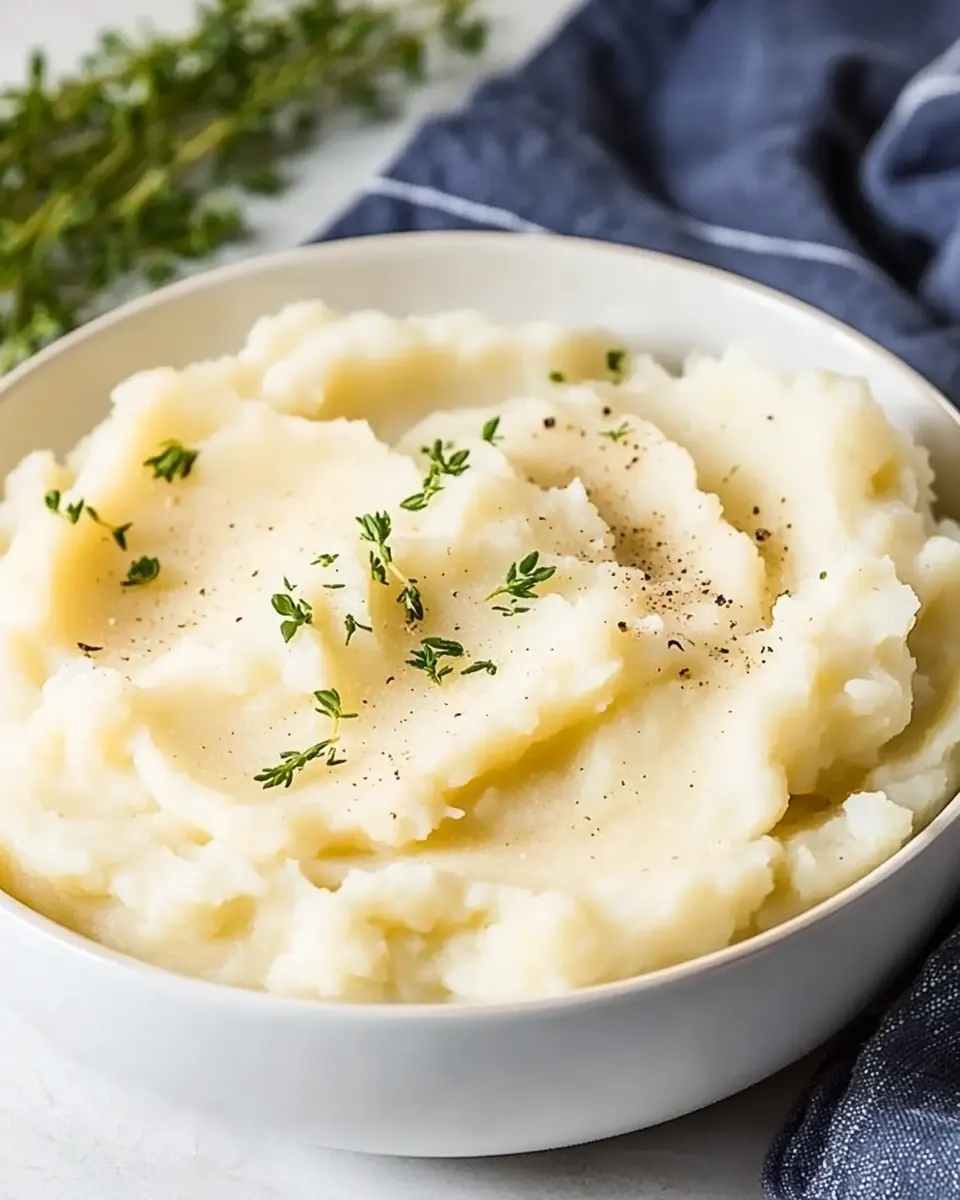
Drain the pot and place the veggies in it along with the butter, salt, pepper and horseradish. Mash with a potato masher then add the cream and continue mashing until smooth, adding more cream until desired consistency is reached. Add more salt and pepper to taste. Transfer to a warmed serving bowl and serve immediately.: You will hear a steady rolling boil below and feel a warm draft of steam when lifting the lid, so use caution. A tight-fitting lid traps steam and cooks efficiently, producing a moist heat that softens the vegetables evenly. This method protects delicate starch structure in the potatoes , preventing excess water absorption that can lead to gluey texture. Be mindful not to let the pot go dry, because then the steaming action will stop and uneven spots can develop. If your pot is too small, steam will escape and cooking time will increase, so choose cookware that fits the steamer snugly. Keep the heat medium high to sustain steam without violent boiling.
Steam for about 15 minutes or until the vegetables are tender when pierced with a fork: As steaming proceeds, the scent shifts from raw starch to mellow, sweet aromatics; the fork should slide through the flesh with little resistance. The timing is approximate because vegetable size and stove intensity vary, which is why the fork test matters more than strictly following minutes. Once tender, remove the basket promptly to prevent over softening, which makes the texture mushy. A frequent error is assuming all pieces cook identically; always check both parsnips and potatoes to confirm even tenderness. If you find some pieces are still firm, return them to steam for short intervals rather than prolonging the entire cooking time.
Drain the pot and place the veggies in it along with the butter salt pepper and horseradish: The moment you add butter to the hot vegetables they begin to melt and release a rounded, buttery aroma that signals richness building in the dish. Combining seasoning at this stage ensures flavors meld into the warm vegetables rather than sitting on top; salt dissolves and the horseradish disperses its pungent lift evenly. Visually, the softened pieces glisten as the butter coats them, creating a creamy base for mashing. Avoid adding cold dairy now because it can cool the mixture and prevent full incorporation. One common misstep is skimping on seasoning early, which makes it hard to correct later, so add conservatively and taste as you proceed.
Mash with a potato masher then add the cream and continue mashing until smooth adding more cream until desired consistency is reached: At first the mash will be coarse, with little steam bursts releasing a warm, savory perfume; as you press and turn the masher, the texture becomes silkier and the mass begins to hold together. Adding heavy whipping cream in stages helps you control the final body so the mash is not too loose. The mechanical action of mashing breaks cell walls and releases starch, which is why gentle pressure yields a creamier result than excessive force that can make it gummy. If you crave ultra smoothness, use a ricer at this point, but take care not to overwork the mixture. A frequent pitfall is adding all the cream at once, which can make the mash too thin; add gradually and stop when you reach the texture you prefer.
Add more salt and pepper to taste Transfer to a warmed serving bowl and serve immediately: Finishing seasoning is about balance, so fresh grinds of black pepper and a little extra sea salt will sharpen the profile that the butter and cream have rounded out. Serve in a warmed bowl to keep the mash at an ideal temperature and preserve the silky mouthfeel, because cold serving dishes can draw heat away and thicken the mixture. The final presentation should look pillowy with a glossy surface from the melted butter . A common oversight is letting the mash sit too long before serving, which causes it to cool and firm up; if you must hold it, cover and keep warm in a low oven for a short time.