Preheat the oven to 400°F and line a baking sheet with parchment paper.: As the oven warms up, you will notice the quiet hum that foreshadows the smell of baking to come. A properly preheated oven ensures the meatballs start cooking immediately, creating a slight exterior set that helps them hold shape. If you skip preheating, meatballs can spread and cook unevenly, so resist the urge to rush this part. Using parchment keeps cleanup easy and prevents sticking, and when the oven reaches 400°F , you should feel a gentle wave of warmth when you open the door.
In a bowl, combine breadcrumbs and milk; let stand for 5 minutes until breadcrumbs absorb the milk.: You will see the breadcrumbs swell as they soak up the milk , becoming a cohesive panade that will tenderize the meat. The texture should shift from dry and flaky to soft and paste like, which is crucial for a moist interior. If the panade seems too wet, the mixture will be harder to shape, but if it is too dry, the meatballs risk becoming crumbly. Letting it rest for about 5 minutes gives the breadcrumbs enough time to fully hydrate and deliver consistent texture.
Add ground turkey, egg, Parmesan, parsley, onion, garlic, salt, and pepper to the breadcrumb mixture. Mix until just combined, avoiding overworking the meat.: As you fold these components together, pay attention to the visual cue of uniform color without streaks of egg or clumps of Parmesan cheese . The aroma will start to build, with garlic and onion giving the mixture a savory lift. Mixing too vigorously can make the texture tough, so use gentle motions to combine everything evenly. One common mistake is compressing the mixture too much, which results in dense meatballs rather than tender ones.
Form the mixture into 1 1/2-inch meatballs and place on the prepared baking sheet.: As you shape each meatball, take note of the feel in your hands, the slight tackiness that indicates proper binder action. Rolling them to about 1 1/2-inch ensures even cooking and a pleasing bite size. Place them with a bit of space between each so air circulates and the exterior can lightly brown. If you pack them too tightly on the sheet, steam will form and you will lose that gentle browning effect, so leave a little breathing room.
Bake in the preheated oven for 15 minutes, or until the meatballs are cooked through and reach an internal temperature of 165°F.: While they bake, you may hear a faint crackle as the edges set and the surface begins to color. The scent in your kitchen will grow richer, and juices will settle as proteins firm. An instant read thermometer is the best way to confirm doneness, aiming for 165°F internally. Take care not to overbake, which can dry them out; conversely, underbaking leaves them unsafe to eat. A common misstep is relying solely on color, which can be misleading with lean meats like ground turkey .
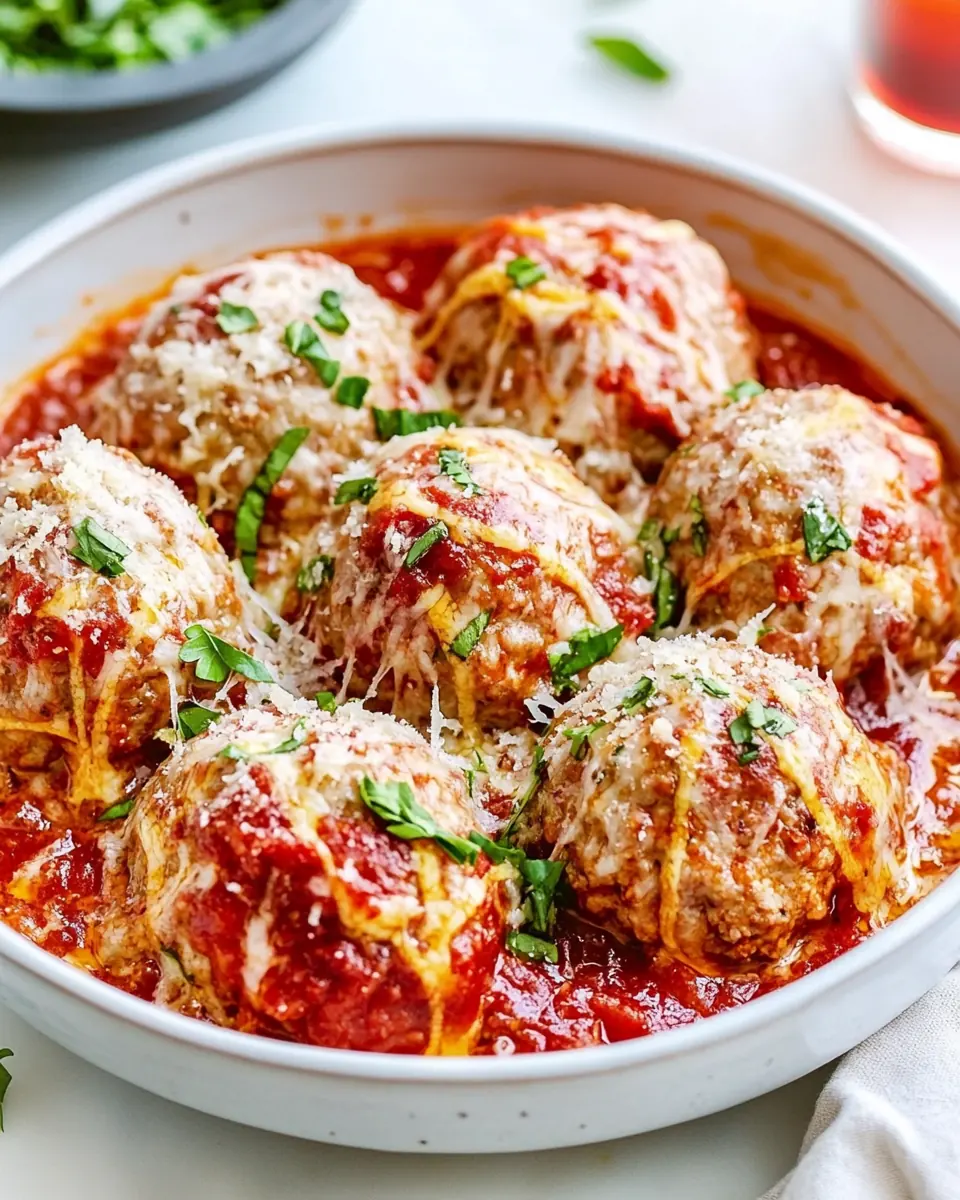
Serve with your choice of sauce and enjoy!: The final presentation is where you personalize the dish, and the tender, savory meatballs pair beautifully with many sauces. As you plate, notice the steam rising and the textural contrast between the soft center and the lightly browned exterior. If the meatballs cool too long before serving, they can firm up, so aim to serve them while warm for the best mouthfeel. A typical mistake is waiting too long to serve, which dulls the aromas that make them so appealing.