Frozen corn - Add frozen corn to a microwave safe dish with 3 tablespoons of water. Cover and microwave on high for 2 1/2 minutes. Remove and drain the excess water.: When reheating frozen corn , you will notice steam rising as the kernels release moisture, a soft susurrus as the water heats. This steam helps soften the kernels while preserving bite. The reason we add a little water in the dish is to create a tiny steam bath so the corn cooks evenly, not dries out. A common mistake is overheating, which can make kernels mealy, so use the stated time and check for tenderness, stirring gently. If excess water accumulates after microwaving, drain it promptly so the dressing does not become watery.
Fresh corn - After husking and shaving off the kernels with a knife, place corn in a microwave safe mug and cover. Microwave on high for 1 minute.: Fresh kernels will smell sweet and vegetal when heated, with a faint roasted scent as they warm. Shaving the cob properly yields juicy rounds that pop with flavor. Covering the cup traps steam so the kernels cook through quickly, keeping them tender yet crisp. Overcooking fresh kernels will dull their brightness and make them soft, so heat just until warm and check by tasting a kernel for a snappy texture.
Canned corn - Drain and pour canned corn into a microwave safe mug and cook on high for 1 minute then remove from microwave.: When you drain and heat canned corn , you will notice a milder aroma than fresh, but the dressing adds back the vibrancy. Heating briefly helps the corn shed excess packing liquid and allows it to absorb the dressing. If you skip draining thoroughly you risk a watery final texture, so tilt the can and press gently to remove liquid before microwaving. Also, be mindful of possible higher salt content in canned versions.
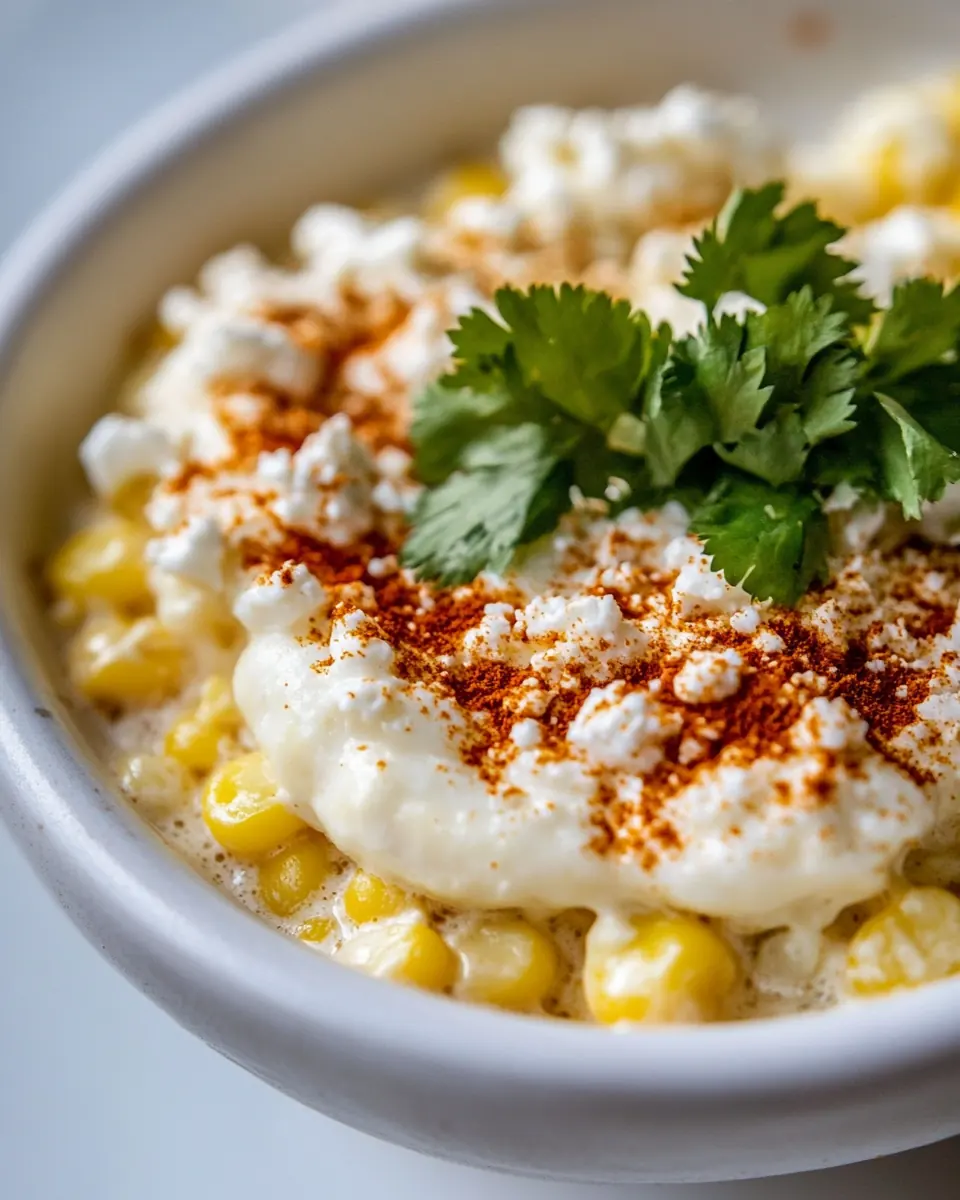
Mix sour cream, mayonnaise, chili powder, cayenne powder, salt, and queso fresco into your corn.: As you fold the creamy mixture into the warm corn , the aroma of spices will bloom and the dressing will cling to each kernel. The warmth helps the cheese soften and integrate, creating a cohesive coating. This technique matters because it ensures every bite carries balanced flavor. One pitfall is adding too much salt before tasting, since the cheese can already be salty; always taste and adjust gradually.
Sprinkle in salt, cilantro, and a squeeze of lime juice.: Finishing with chopped cilantro and fresh lime juice brightens the dish instantly, lifting the creamy base with herbaceous and acidic notes. The sound of a quick squeeze and the fresh citrus scent will tell you the dish is close to done. Let the dish rest a minute so the flavors meld before serving. Avoid squeezing too much lime right away and leaving it to sit for long periods, as the acid can change the texture of the dressing if left too long.