Go Back
Middle Eastern Chicken with Roasted Vegetables

Middle Eastern Chicken with Roasted Vegetables

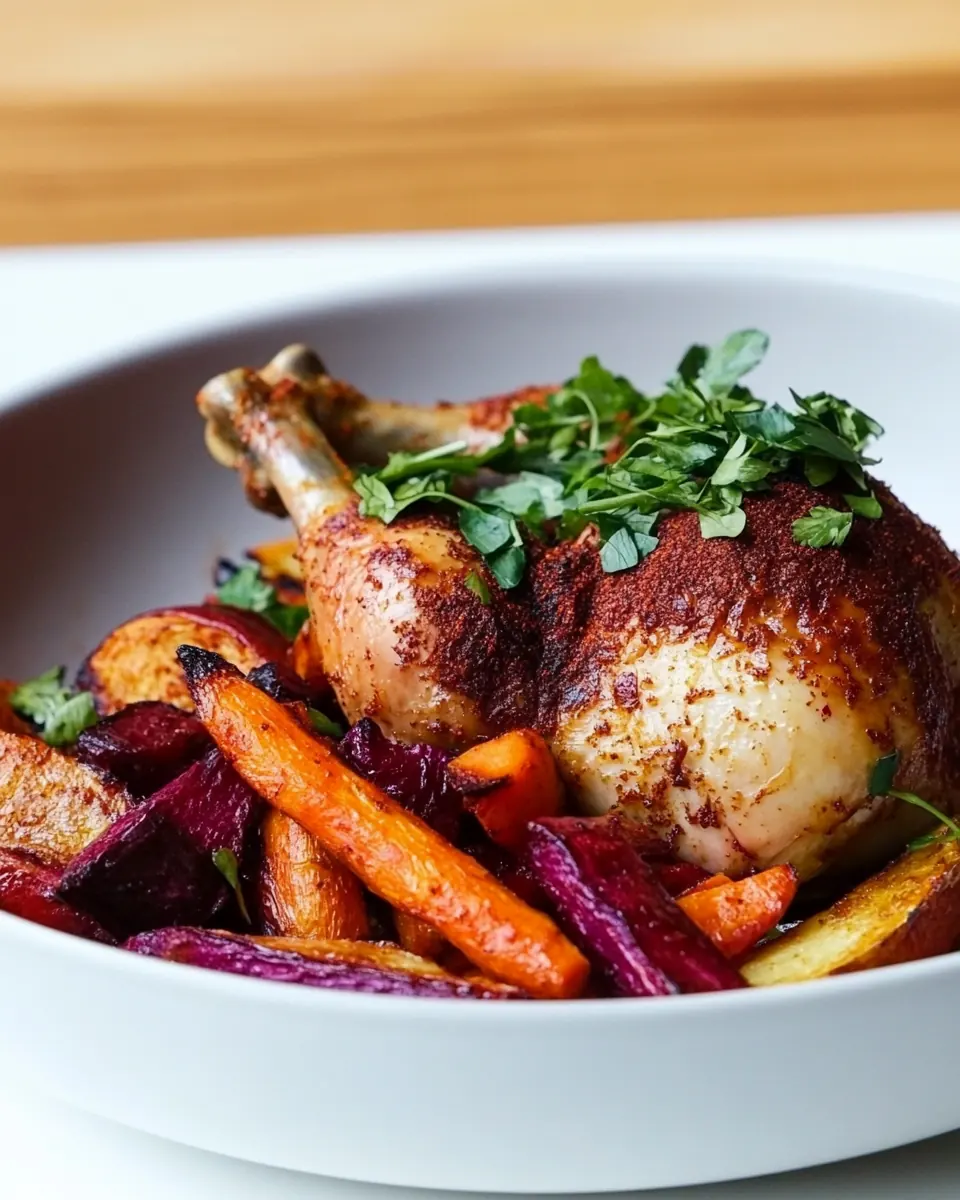
Middle Eastern Chicken with Roasted Vegetables is a warm, aromatic roast with a layered spice rub and caramelized root vegetables. This easy weeknight dinner yields tender chicken, crispy skin, and sweet, earthy vegetables that are perfect for fall family meals. The balanced spices and simple oven method make it an approachable yet impressive dish you will want to make again.
Prep Time 10 minutes
Cook Time 1 hour 30 minutes
Total Time 1 hour 40 minutes
Servings: 4 servings
Course: Dinner
Cuisine: Middle Eastern
Calories: 450

Ingredients
  

  • 1 whole chicken (or chicken drumsticks, thighs) Roast or braise to make the centerpiece protein, providing hearty flavor and sustenance; it traps spices and juices for tender meat when cooked whole or in pieces. Serve bone-in for extra richness and use pan juices to baste vegetables for cohesive dish flavor.
  • 1 tsp cumin Toast briefly to awaken warm, earthy notes that form the backbone of the spice blend; it complements roasted chicken and vegetables. Combine with other spices for a balanced savory profile that enhances aroma during cooking.
  • 1 tsp paprika Sprinkle to add sweet-smoky depth and color to the rub; it enhances the roasted surface and pairs well with cumin and paprika. Use sparingly to avoid overpowering other spices and to create a subtle warmth.
  • 1 tsp turmeric Dust to provide a gentle peppery warmth and bright golden color; it contributes mild bitterness that balances richer spices. Mix into the oil-based marinade so it disperses evenly over the chicken and vegetables.
  • 1 tsp nutmeg Grate or measure to lend a warm, slightly sweet woody aroma that deepens the spice mix; it pairs especially well with other warm spices in Middle Eastern cuisine. Use cautiously to avoid dominating the overall flavor.
  • 1 tsp cinnamon Sprinkle to contribute sweet, aromatic warmth and a hint of clove-like complexity; it enriches both meat and roasted root vegetables. Blend evenly into the spice rub so each bite has layered fragrant notes.
  • 1 tsp allspice Add to bring a rounded, slightly peppery sweetness with hints of cinnamon and clove; it ties together other spices and enhances savory-sweet interplay. Incorporate into the seasoning mix to amplify traditional regional flavors.
  • 1 tsp salt Season to enhance and balance all flavors, amplifying both savory and sweet elements in the dish; it also helps to tenderize meat when used in a marinade. Adjust to taste, especially when serving with naturally salty accompaniments.
  • 1 tsp pepper Grind or sprinkle to introduce sharp heat and adjust overall seasoning; it brightens flavors and adds subtle pungency. Add progressively so heat level complements other spices without overwhelming them.
  • 30 ml olive oil Use as the fat medium to carry and distribute spices, promote even roasting, and prevent sticking; it also adds fruity, peppery notes typical of quality olive oil. Toss vegetables and coat chicken in the oil to ensure golden browning and flavor penetration.
  • 2 carrots Chop or slice to provide natural sweetness, texture, and earthy flavor when roasted; carrots caramelize and complement warm spices. Mix with other root vegetables so their sugars concentrate and create savory-sweet contrast.
  • 2 parsnips Peel and cut to add sweet, slightly nutty flavor and firm texture that holds up during roasting; parsnips contribute earthy depth and pair well with cumin and cinnamon. Roast together with carrots for balanced sweetness and body.
  • 1/4 celery Slice or dice to offer mild, aromatic crunch and a subtle herbal bitterness; celery adds freshness and textural contrast among roasted roots. Include in vegetable mix to lift richer flavors and add moisture during cooking.
  • 1 large beetroot Peel and roast to supply deep, sweet-earthy flavor and vibrant color that elevates presentation; beetroot caramelizes beautifully and complements warm spices and olive oil. Use caution with staining, and roast until tender to maximize sweetness.

Equipment

  • Oven
  • Roasting tray
  • Mixing Bowl

Method
 

  1. Mix all the spices together.: The aroma will bloom immediately, releasing warm, sweet, and earthy notes that tell you the rub is ready. As you stir, inhale deeply to gauge balance, because the spice mix sets the dish's personality. Use a small bowl and whisk until the colors are evenly blended, and if you notice one spice dominating, adjust slightly. A common mistake is adding too much of a single spice, which can throw the blend off, so measure carefully.
  2. Cut the chicken along the middle of the breast and open the chicken in a pan, then season well on all sides with the spice mixture.: When you butterfly the chicken , you create more surface area for the spices to cling to, resulting in a more flavorful crust. As you press the spice rub into the skin, you should feel some resistance and see the blend adhere; that is a good sign. If the spices seem to slide off, pat the skin dry first to help adhesion. Avoid forcing the bird into a pan that is too small, because overcrowding prevents even seasoning and browning.
  3. Cover the pan with foil and refrigerate for 1-2 hours or even longer to allow the chicken to absorb well the flavor from the spice mixture.: Cooling the seasoned chicken lets the flavors penetrate the meat gradually, deepening the final taste. As it chills, the spices mingle with the meat juices, so you will notice a subtle, mellowing scent when you uncover it. If you press on the breast and it feels firmer after marinating, that is normal as the salt begins to work. Do not skip this step if you want more pronounced flavor, and avoid marinating at room temperature which risks bacteria growth.
  4. Clean and cut the vegetables into large pieces and cook them with the chicken.: Large chunks of carrots , parsnips , celery , and beetroot roast evenly alongside the chicken without disintegrating. As you cut, aim for uniform sizes so each piece reaches the same level of tenderness. Toss them lightly in a little of the reserved spice mix and olive oil , so they pick up flavor and roast into glossy, caramelized edges. A frequent slip is chopping pieces unevenly, which leads to some items overcooking while others remain underdone.
  5. Place the tray with the chicken and vegetables in the oven heated to 180 °C (356 °F), drizzle with olive oil and cook for about 1-1.5 hours.: As the oven heats, you will soon notice the kitchen filling with an intense, warm aroma, and the chicken skin will begin to bronzed and tighten. The vegetables will sizzle in the pan juices and slowly caramelize, giving sweet, nutty edges. Aim for a golden brown skin and tender vegetables that yield to a fork, while juices run clear from the thickest part of the chicken . If the skin begins to darken too quickly, tent with foil to prevent burning while allowing the interior to finish cooking. Rushing this step by using too high a temperature risks drying the meat and charring the vegetables.
Notes

  • Marinate longer for deeper flavor — If you have the time, marinate the seasoned chicken overnight. The extended resting period allows the salt and spices to further permeate the meat, creating a more cohesive and pronounced flavor without extra effort the next day.
  • Use room temperature chicken before roasting — Letting the chicken sit on the counter for 30 minutes before it goes into the oven helps it cook more evenly, reducing the chance of overcooked exterior with an underdone interior.
  • Arrange vegetables around but not under the chicken — Placing the vegetables around the chicken rather than directly beneath encourages even browning and prevents them from sitting in excess liquid and becoming soggy.
  • Reserve some spice rub for the vegetables — Toss a small amount of the spice mix with the vegetables so they echo the flavor of the chicken, creating harmony on the plate.
  • Rest the chicken before carving — Allow the roasted chicken to rest for 10 to 15 minutes after coming out of the oven so juices redistribute, ensuring moist meat when you carve.