Sift flour into a bowl along with the icing sugar. Add butter and using your finger tips rub the flour and butter together until it begins to resemble bread crumb. Add milk and continue to rub together until it forms a smooth dough.: The aroma at this stage is faint, a clean buttery scent that becomes more noticeable as you work the fat into the flour. Your fingers should feel slightly cool from the butter, and the mixture will shift from powdery to a coarse, breadcrumb like texture before the milk brings it together. The tactile cue I look for is when the dough barely holds shape when pressed, still slightly shaggy but cohesive. This technique traps small pockets of butter that steam during baking, creating flakiness, which is why you must work quickly to prevent the butter from melting. A common mistake is overworking the dough, which activates gluten and yields a tough crust, so stop as soon as it holds together.
If the dough is too wet add a little flour.: When you touch the dough it should be firm but not sticky, and adding tiny pinches of flour will restore balance. I test by pressing a small piece; if it sticks to my palm, dust with a teaspoon of flour at a time until it releases. Visual cues include a slightly matte surface and clean edges when shaped. This small adjustment preserves the pastry's structure and prevents soggy bases after baking. Beware of adding too much flour, which can dry the dough and make the final pastry crumbly.
Leave the dough in a cool place to rest for 15 minutes.: Resting chills the butter and relaxes gluten, making the dough easier to roll and less likely to shrink when baked. During this pause the kitchen smells faintly of butter and flour, and the dough firms up noticeably. If your kitchen is warm, pop the dough into the fridge, but avoid freezing it solid. A typical problem is skipping the rest, which often leads to warped or shrunken tart shells during baking.
Spray a muffin pan with a non stick spray ready for the pastry.: The light scent of the spray and the slick surface prevent the pastry from sticking, keeping the edges intact when you unmold. I press a small disc of dough into the pan to check the fit, smoothing seams gently. Using a spray is quicker than greasing with butter and avoids adding extra flavor. If you skip this, your tarts can tear when removed, so be thorough but moderate with the coating to avoid greasy spots.
Lay a large sheet of baking paper down on a bench and place half the dough on top and flatten with hand. Lay another sheet of paper on top and use a rolling pin to roll out the dough until about 4 mm (about 1/5 of an inch) thick.: Rolling between sheets keeps the dough clean and prevents sticking, and as you roll you will hear the soft sweep of the pin and feel the dough thin evenly. The visual cue is a uniformly thin sheet with no cracks; if cracks appear, press and patch gently. Rolling to the right thickness ensures the pastry cooks through without burning. Overworking the dough at this stage warms the butter, so if it becomes soft, chill briefly before proceeding.
Cut the pastry with a pastry cutter or scone cutter and fill muffin tray, press down the pastry and ensure it comes to the top of each hole. Use excess pastry to patch up any parts with holes.: As you press the rounds into the tin, you will notice the edges conforming to the curvature, and the pastry should look smooth and even. Patch any thin spots by pressing small scraps of dough and smoothing the seam with your finger. Ensuring full coverage is important for a consistent bake and to prevent leaks when you pour in the filling. A common error is leaving gaps at the edges, which cause the curd to seep out during baking, so inspect each case closely.
Repeat process until pastry is used up to make 8 pie cases.: You will feel satisfied as the last discs fill the pan, and the visual line up of eight neat shells is rewarding. Each shell should be uniform in height and thickness, which helps them bake evenly. If one shell looks thicker, press it gently to match the others. Avoid mixing different dough temperatures in the same batch, as uneven cooling can cause inconsistent shrinkage.
Preheat oven to 170 ℃ / 310 ℉.: A properly preheated oven ensures even blind baking and predictable browning, and you should hear the oven fan or feel the steady warmth when you open the door. I usually wait until the oven reaches temperature and holds for a minute before inserting pans. Not preheating often leads to underbaked or soggy pastry, so be patient and use an oven thermometer if you suspect your oven runs hot or cold.
Fill each pastry cup with baking paper and fill with rice. This is called blind baking and stops the pastry from collapsing and rising.: The paper muffles the raw dough while the rice weights apply even pressure, and as it bakes you will see the pastry edge set and hold shape. The rice should sit snugly without bulging the base, and you will notice the pastry surface losing its raw sheen. This technique prevents air pockets from forming and keeps the base flat for the filling. A misstep is using too little weight, which allows the base to puff, so make sure the rice layer is evenly distributed.
Cook for 12 minutes and remove from oven. Let it stand for 10 minutes before removing rice and paper. Keep the rice for the next time you need to blind bake.: During this interval the pastry will tone down from raw to a pale golden edge, and the scent shifts to a toasty, buttery note. Letting it stand consolidates the structure so you can safely lift out the weights without tearing the shell. I always cool briefly before removing the rice to avoid steam burns. If you try to remove the weights too soon, the shell can slump or break, so patience is rewarded here.
In a bowl add egg yolks and sugar. Keep egg whites for meringue.: When you whisk the yolks and sugar, the mixture becomes pale and slightly thick, with a faint sweet aroma. The sugar helps dissolve into the yolks, and this base will form the body of your curd. Separating the whites carefully ensures your future meringue can reach full volume. A common pitfall is residual yolk in the whites, which prevents proper whipping, so separate into a clean bowl and double check.
Whisk the egg yolk until sugar is dissolved. Add vanilla, lemon rind and juice and whisk for 30 seconds.: As you incorporate the lemon, the mixture brightens both in color and in scent, releasing citrus oil from the rind. Whisking for the brief time recommended activates the emulsifying power of the yolks and evenly distributes the lemon acidity. The aroma will become zesty and sweet, and the mixture should feel slightly thicker. Avoid overwhisking for too long which can aerate the curd excessively, leading to bubbles during baking.
Add cream and whisk gently to mix all ingredients.: Adding the 220 millilitres thickened cream mellows the lemon and creates a silky, lush texture. The mixture will take on a creamier sheen and the scent softens slightly as the dairy balances the citrus. Gentle whisking is crucial to keep the curd smooth; vigorous beating can incorporate air, which may create holes when baked. If the cream separates or looks curdled, whisk slowly and let the mixture rest briefly to even out.
Pour mix evenly into pastry shells leaving 3 mm from the top of pastry top and bake in oven for 14 minutes. The mix may still look a little soft when taking out of the oven. Place in fridge for half and hour to set. Remove from muffin tray and place onto a flat baking tray.: As the curd bakes the edges will set first and the center will still wobble slightly, signaling it is done. The aroma becomes richer and more pronounced, with warm lemon notes. Cooling in the fridge firms the curd for clean slicing later, and transferring to a flat tray prevents steam from softening the base. A common mistake is overbaking until the curd cracks, so rely on that slight wobble as your indicator.
Turn oven up to 200 ℃/ 390 ℉.: Increasing the heat creates the immediate high temperature needed to gently brown the meringue without overcooking the filling. You should feel the oven pulse when it reaches the new set point. If your oven tends to run hot, watch closely, since the meringue can color quickly. Not adjusting the oven can lead to undercolored meringue or a dried out topping.
In a clean bowl add the egg whites and using an electric beater begins to whip the whites. As they being to whiten slowly add sugar and continue to whisk until the mixture begins to form peaks.: Whipping the egg whites transforms them from clear liquid to a glossy, marshmallow like foam that reflects light. Adding the 120 grams caster sugar slowly ensures it dissolves, giving a smooth, stable meringue. The sound changes from slosh to a higher pitched rap as peaks form, and the texture becomes satiny and thick. A frequent issue is using a bowl with residue or grease, which prevents full volume, so make sure your tools are spotless.
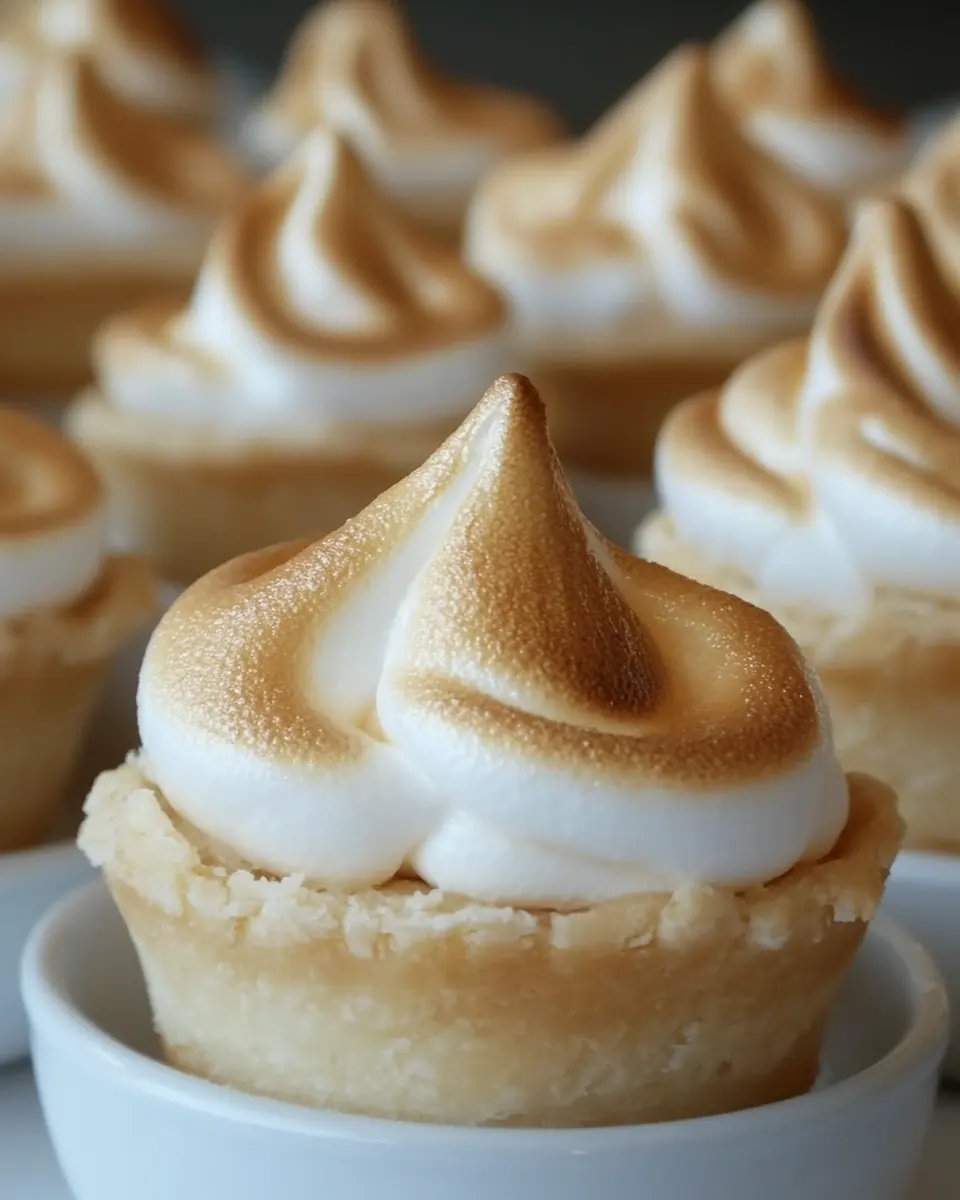
Place the mixture into a piping bag with a straight nozzle and pipe meringue onto pies.: Piping creates pretty swirls or peaks that brown attractively, and you will feel the bag give as the meringue sets into shape. The meringue should hold form cleanly without collapsing, indicating proper stiffness. If the meringue seems too soft, chill it briefly or whip a little longer, but avoid overbeating which can dry it out and make it grainy.
If you don’t have a piping bag spoon the mixture onto pies.: Using a spoon yields a more rustic look, with soft peaks and gentle mounds. The tactile action is satisfying as you dollop the meringue and smooth or sculpt it with the back of a spoon. This method is forgiving and still creates excellent browning. Just ensure the meringue contacts the edges of the curd to form a seal, otherwise it can lift away during baking.
Place in oven for 5 minutes to brown meringue. It may be required to rotate tray every now and then to form an even colouring onto pies.: In the hot oven the meringue will develop a warm, toasty aroma and golden tips, and you will see the surface go from brilliant white to a honeyed sheen. Rotating the tray helps achieve uniform color if your oven has hot spots. Watch closely, because a few seconds make the difference between perfectly browned peaks and overly dark tips. A common mistake is leaving them too long, which dries the meringue out and dulls the texture.
Remove from oven and place in fridge to cool. These will be ready to eat when cold.: Cooling brings the residual steam down and helps the curd set completely, and you will notice the meringue tighten slightly as it chills. The final scent is a mingling of toasted sugar and bright lemon, and the texture settles into that perfect trio of flaky shell, silky curd, and crisp meringue surface. Serve chilled for best contrast, and avoid leaving them at room temperature for long periods to preserve texture and freshness.