Use a light-colored or stainless steel skillet to easily monitor the butter's color change.: The surface will help you watch the milk solids shift color, and you will notice the butter foam before any browning happens. The scent will move from creamy to sweetly toasty when the solids begin to caramelize. One common slip is leaving the pan unattended, which can quickly move from browned to burned, so stay nearby and stir gently to keep the color even across the pan.
Place butter into the skillet. Turn the heat to medium and let the butter melt completely. Stir occasionally to help it melt evenly.: As it melts, you will hear a quiet simmer and see foamy bubbles across the top; this is the water evaporating. Even melting prevents hot spots that can brown parts faster than others. Avoid cranking the heat, which can make the solids brown unevenly and produce a bitter note.
As the butter melts, it will begin to foam. This is the water content evaporating. Stir gently during this stage.: The foam will rise and then settle, and gentle stirring helps the milk solids separate from the fat. The smell is still buttery at this point, without the toasted aroma yet. A common mistake is over stirring aggressively, which can spray hot fat, so use a spoon or spatula and keep your motions calm.
After the foaming subsides, keep stirring. The milk solids will begin to brown, turning from yellow to golden brown.: Watch for little specks of color forming, and tilt the pan to inspect the base. Browning happens quickly when the solids begin to color, and you will see them progress from pale to amber. If you let them pass the golden stage, the flavor tips to bitter, so remove from heat promptly when you see even browning.
The butter will release a nutty, caramel-like fragrance when it reaches the browning stage. This is a key indicator it's ready.: Take a deep breath to note the change from plain butter to a warm, toasty aroma, and that scent will translate into the frosting. One trap is mistaking a strong sizzling for doneness, but rely on color and smell rather than sound alone.
Once the butter is browned, immediately remove the skillet from the heat to prevent burning.: Carry the pan off the flame and set it on a cool burner, because residual heat can continue to darken the solids. Rapid removal stops the browning at the perfect point, preserving the sweet, nutty notes. Leaving the skillet on the hot surface will escalate the color to burnt quickly.
Once finished, pour it into a bowl and set it in the fridge or freezer until it is back to a soft room temperature and not melted.: Cooling firms the butter so it can be whipped into fluffy frosting, and you will see the texture go from liquid to creamy. Chilling too long makes it hard to whip, so check often. If you forget and it gets solid, let it soften slightly at room temperature before beating to avoid lumps in your frosting.
Preheat your oven to 350°F.: The oven will take a good ten to fifteen minutes to come up to temperature, and I like to preheat before mixing so the batter can go straight in. A steady oven ensures even rise and consistent browning. Baking in an oven that is too cool will lead to dense cakes and uneven texture.
Whisk together the flour, baking soda, baking powder, salt and pumpkin pie spice in a separate bowl. Set aside.: Dry mixing distributes the leaveners and spice evenly, and when you sift or whisk you will notice a uniform color and light, powdery feel. This step prevents pockets of baking soda or spice that can make the flavor swing. Skipping this can create uneven rise and concentrated flavor spots in the cake.
In the bowl of a stand mixer or large mixing bowl, mix together the brown sugar, granulated sugar, pumpkin puree and vegetable oil until combined and smooth.: The mixture should look glossy and cohesive, and you will smell the molasses notes as the brown sugar dissolves. This creates an emulsion that traps air and helps with rise. Overmixing at this stage is less risky, but under mixing leaves streaks of sugar or puree that will affect texture.
Add the vanilla extract and eggs and mix together until well combined.: The batter will lighten slightly and become more fluid; incorporating the eggs helps with structure and moisture. Use room temperature eggs for smoother integration so the batter does not seize. A common error is adding cold eggs, which can cause the batter to curdle, so let eggs come to room temperature if you can.
Add the dry ingredients to the pumpkin mixture and mix just until combined.: Fold or mix briefly until you no longer see streaks of flour, because over mixing develops gluten and makes the cakes tougher. The final batter should be velvety and pourable, with a spiced, pumpkin aroma. Overworking here will yield a denser crumb, so stop as soon as the flour is incorporated.
Spray the mini bundt pan with nonstick cooking spray and fill each mold to about 1/4” from the top.: The batter will rise moderately, and leaving a small gap prevents overflow and ensures a rounded top. Smooth the tops gently for even browning. Filling too full will cause spill over, while under filling produces undersized cakes.
Bake for 15-20 minutes or until golden brown and set. Set aside and let the cakes cool in the pan for 10 minutes before carefully removing from the mold. Let the cakes cool completely before decorating.: You will see the edges pull slightly from the pan and a toothpick should come out clean with a few moist crumbs. Cooling in the pan stabilizes the shape, and removing too soon can cause the cakes to break. If you rush cooling, the cakes may crumble when you unmold them.
In the bowl of a stand mixer or medium mixing bowl, beat the brown butter until it’s light and fluffy.: As you whip the cooled browned butter, it will take on a lighter color and aerated texture; this is key for a silky frosting. Properly whipped butter traps air and yields a spreadable, pipeable consistency. If the butter is too warm and oily, your frosting will be runny, so chill slightly then beat.
Add in the powdered sugar 2 cups at a time and mix until combined.: Adding in intervals prevents a cloud of sugar and allows you to gauge the frosting thickness. The mixture will thicken and become pale as you incorporate the sugar. Dumping all the powdered sugar in at once can overwhelm the mixer motor and create lumps.
Add in the vanilla extract, cinnamon and salt. Mix again. If the icing is a bit stiff, you can add 2 to 4 tablespoons of heavy whipping cream to the frosting.: At this point the frosting should taste balanced, with warm spice and a touch of salt to cut the sweetness. The cream adjusts spreadability so the frosting pipes smoothly. Adding too much cream will make it too loose, so add slowly and test the consistency.
Place the frosting into a piping bag fitted with the large decorators tip of your choice.: Piping gives you control and a clean finish when forming the pumpkin shape. A large tip helps create a full dome of frosting that holds when you stack cakes. Using no piping bag or an undersized tip makes the process messy and fragile.
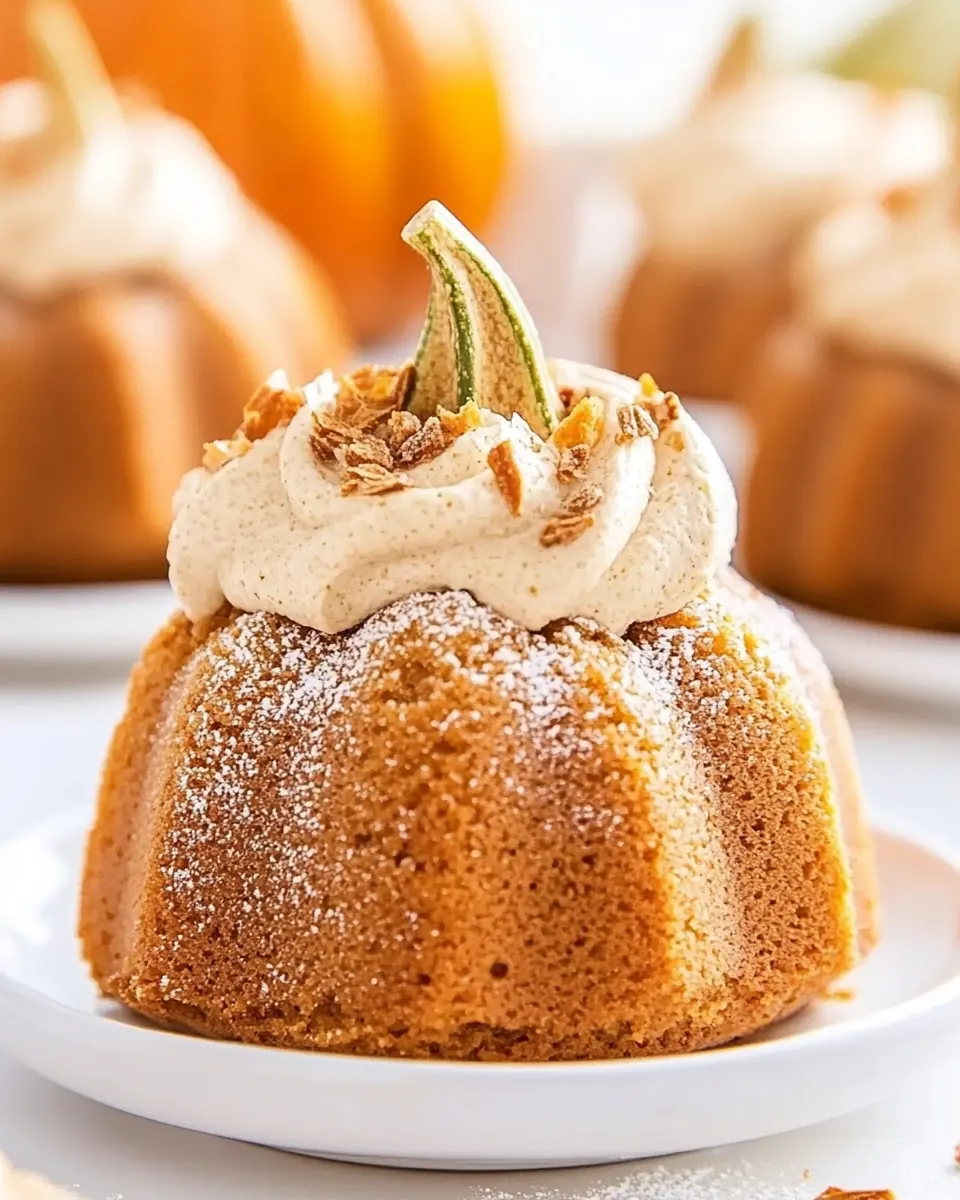
Place one bundt upside down and pipe a generous amount of butter cream onto the top. Place another bundt right-side up on top of this to form a “pumpkin”.: Look for a soft, pillowy mound of frosting that supports the top cake without sliding; the visual should mimic a rounded pumpkin. The scent will be rich and buttery once assembled. If the frosting is too soft, the top layer may slip, so chill for a few minutes to firm up if necessary.
A cinnamon stick in the middle of the bundt completes the pumpkin look! Finish with a few green candies for leaves if you like.: The cinnamon stick provides both visual and aromatic finishing touch, and the small candies add color and crunch. Place them gently so the assembled mini pumpkin stays balanced. Pushing decorations in too far can cause the cake layers to misalign or split.