Preheat the oven to 350 degrees. Line a baking sheet with foil and spray with nonstick spray.: When you switch the oven on you'll notice a gentle hum and a gradual warmth that promises even baking, this step ensures the loaf sets properly from the moment it goes in. As the oven comes to temperature it helps the exterior develop a satisfying crust while the interior firms. A common misstep is to skip preheating which can lead to uneven texture. If your oven runs hot or cold, use an oven thermometer to verify accuracy.
In a large skillet heat the olive oil on medium heat, once hot, add the onion, carrots, mushrooms and garlic. Cook for about 8 minutes, or until the vegetables are soft.: The shiny foil reflects heat slightly and makes cleanup effortless, while the nonstick spray prevents adhesion so edges release cleanly. Lining also helps you shape the loaf directly on a stable surface. Avoid using too little spray, as the loaf may stick; if you prefer, you can lightly oil the foil instead for more even browning.
Transfer the cooked vegetables to a food processor along with 1 cup of the lentils, 3/4 cups of the oats, tomato paste, tamari, Worcestershire, thyme, and oregano. Pulse until the mixture is well blended but still a little chunky.: As you heat the olive oil , it will shimmer and thin, signaling the pan is ready, add the vegetables and you will hear a soft hiss as they hit the surface. Sautéeing concentrates flavors, releasing sweet and savory notes, and the pan should smell warm and vegetal as the mixture softens. Overcrowding the skillet prevents browning, which leads to a steamed, less flavorful result, so use a large pan or work in batches if necessary.
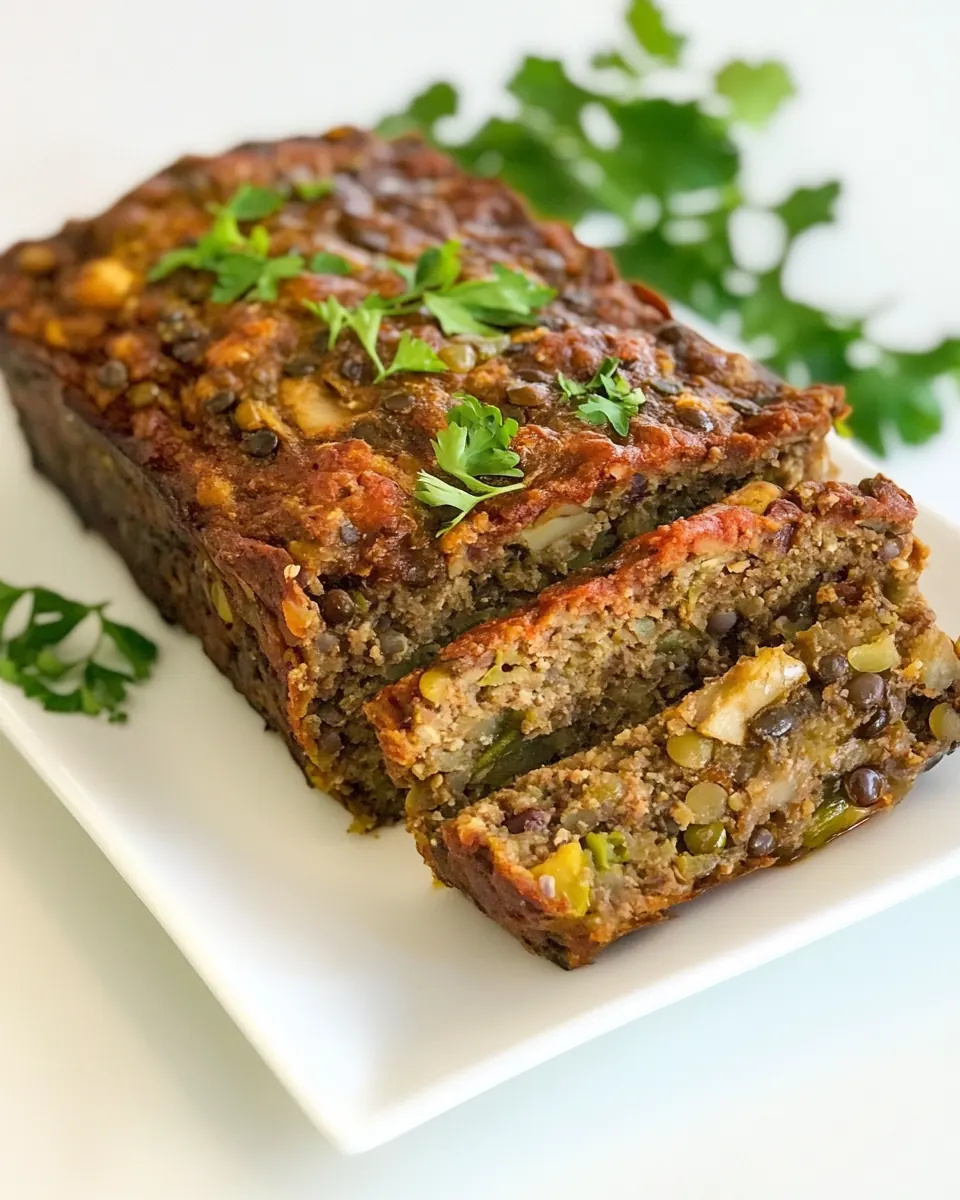
Transfer the processed mix to a large bowl and gently mix in the remaining lentils, oats, and peas. Mix just until combined. Form the mix into a loaf shape onto the prepared baking sheet. Bake for 30 to 45 minutes or until firm. If desired, top with no sugar added ketchup.: During these minutes the onion will turn translucent and the mushrooms will release moisture then brown, creating a caramelized aroma. You'll notice a reduction in volume and a change from raw crunch to tender silk, these cues tell you the base is ready. A common error is undercooking which leaves raw onion flavor, so wait until you see gentle browning and no pungent raw onion scent remains.
Transfer the cooked vegetables to a food processor along with 1 cup of the lentils, 3/4 cups of the oats, tomato paste, tamari, Worcestershire, thyme, and oregano: As you move the warm vegetable mixture into the processor, the heat will help meld flavors slightly, and adding only part of the lentils and oats preserves texture. The combination of tomato paste and savory sauces already scents the bowl. A typical mistake is adding all the lentils at once which produces an overly uniform, paste like texture rather than a loaf with pleasant bite.
Pulse until the mixture is well blended but still a little chunky: When pulsing, watch the texture closely so the processor reduces components into a cohesive mixture while leaving small bits for mouthfeel, you want a balance between creaminess and structure. The aroma will become richer and slightly sweet as the ingredients emulsify. Overprocessing will remove contrast and lead to a dense result, so stop when you can still distinguish bits of lentil and mushroom .
Transfer the processed mix to a large bowl and gently mix in the remaining lentils, oats, and peas: At this stage the bowl will feel like a team combining, some pieces blended smooth, others intact, folding in the reserve lentils , rolled oats , and cooked peas introduces bite. Use a gentle hand to avoid over mixing which can toughen the texture. If the mixture seems too loose, let it rest five minutes for the oats to absorb moisture before shaping.
Mix just until combined: The combined mixture should hold together when pressed but not be wet, you will sense a cohesive mass that yields slightly under pressure. This balance ensures the loaf will slice without crumbling while remaining tender. A common pitfall is vigorous mixing, which compacts the mixture and makes the final loaf dense, so aim for minimal agitation.
Form the mix into a loaf shape onto the prepared baking sheet: Shaping by hand creates a homey, rustic appearance, and you will feel the mixture compact as you form it, edges smoothing to create even height for predictable baking. Press gently to avoid air pockets, which can cause uneven cooking. If the surface looks too wet, press gently with a spatula to firm it, or chill briefly for cleaner slices.
Bake for 30 to 45 minutes or until firm: During baking the exterior will deepen in color and aroma will fill the kitchen with thyme and roasted savory notes, the loaf will sound slightly hollow when tapped and feel set to the touch. The heat causes moisture to reduce and flavors to concentrate, creating that appealing contrast between crust and interior. Opening the oven too often drops temperature and can extend baking time, so resist frequent checks.
If desired, top with no sugar added ketchup: Brushing a thin layer of no sugar added ketchup at the end adds a bright, tangy finish that cuts through the richness, and when warmed it forms a glossy top. This final touch can balance savory notes and provide visual appeal. Apply sparingly to avoid excess moisture on the surface which can prevent browning.