Add the coconut milk, maple syrup, and coconut sugar to a medium-sized sauce pan and bring it to a full boil. Allow mixture to boil, stirring frequently, until thickened, about 10 to 15 minutes.: The moment you hear a steady bubbling, you will notice a deeper, toasty aroma as the sugars begin to caramelize, which is a key sensory cue. Stirring occasionally prevents hot spots and keeps the mixture uniform, and visually the color will shift from pale to a light amber. The reason this matters is that controlled boiling encourages evaporation, concentrating flavor and creating a glossy texture. A common mistake is using too high heat, which leads to rapid burning and grainy caramel, so maintain a medium heat and patience. You should also tilt the pan to check consistency, the sauce should coat the back of a spoon when nearing readiness.
Add the vanilla extract and salt to the caramel mixture. Stir until combined, then remove caramel from the heat. You can use caramel right away or pour it into an air-tight container to use later (the longer it sits, the thicker it will get). Caramel lasts in your refrigerator for 3 to 4 weeks.: As it thickens you will hear a lower pitched simmer and see strands forming when you lift the spoon, an indicator of increased viscosity. This slow reduction builds depth and prevents the sauce from tasting flat, and the repeated stirring helps distribute heat evenly so none of the sugars scorch. The caramel will darken, but bear in mind that color alone is not the only measure, texture matters; when it clings to the spoon and moves slowly, you are close. Avoid walking away, because a rapid shift from perfect to burned can happen in seconds, and remember that cooling will continue the firming process.
Heat the milk using a milk frother or heat it in the microwave or stove top until hot, but not scalding.: Right after removing the pan from heat you will notice how the fragrant vanilla extract brightens the aroma and the sea salt sharpens the flavors, giving the caramel complexity. The reason to add these off heat is to preserve volatile aromatics while letting the salt dissolve evenly without encouraging further reduction. Stir gently until homogenized, and a common oversight is adding salt too early which can concentrate it unpleasantly, so always taste cautiously at the end.
Add 1 tablespoon of prepared caramel to the bottom of a mug. Add 6 ounces of strong coffee (or 1 to 2 shots of espresso) and stir until well-combined.: You should sense a glossy sheen and a cohesive texture as everything melds, signaling that the sauce is ready to rest. Removing from heat prevents overcooking and allows flavors to settle, which results in a smoother mouthfeel. If you plan to store it, pour into a clean, air tight container while warm so it settles without crystallizing; a frequent pitfall is leaving residue in the pan that cools and becomes hard to transfer.
Add the frothed milk.: Using it immediately yields a more fluid sauce perfect for drizzling, while refrigerating will thicken it, useful for spooning or spreading. The tactile difference is noticeable when you warm a spoonful: warm caramel flows and glosses the surface, cold caramel holds shape. The why here is convenience, having it stored saves time and maintains consistent quality, but avoid repeated reheating which can darken flavors.
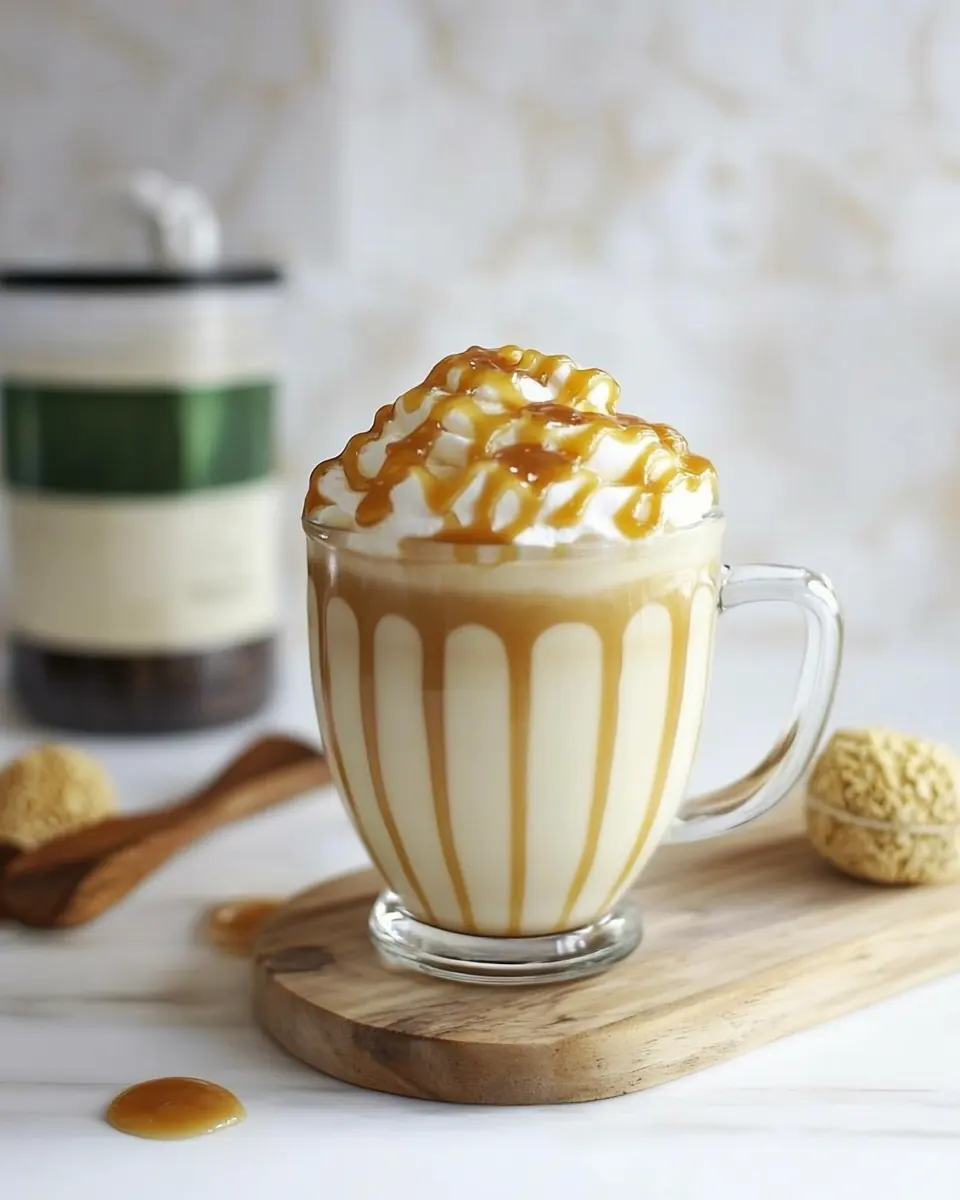
Drizzle a fancy caramel design on top of the foam and enjoy!: Over time the texture may firm up, but it retains flavor; simply warm gently to return to pourable consistency. Label the container with the date to keep track, and always check for any off smells before using. A typical error is storing it in a container that leaches odors, so choose glass when possible to preserve purity.
Heat the milk using a milk frother or heat it in the microwave or stove top until hot, but not scalding: When heating almond milk , watch for tiny bubbles forming at the edges, that is the signal it is hot enough to create foam but not scalded. The smell is gentle and slightly sweet, and the texture should be smooth; overheating causes an acrid, cooked taste and a thin, unstable foam. Frothing incorporates air for a velvety mouthfeel which contrasts the dense caramel, and a common troubleshooting tip is to avoid boiling which breaks down proteins and prevents proper froth formation.
Add 1 tablespoon of prepared caramel to the bottom of a mug: Spoon the caramel into the cup and note how it rests at the bottom as a glossy pool, which will anchor the drink with concentrated sweetness. This base layer melts slightly when the hot coffee is poured, creating ribbons of caramel through the cup, an effect that pleases both the eye and the palate. If you find the caramel too thick to pour, warm briefly until fluid, but beware of overheating which changes flavor balance.
Add 6 ounces of strong coffee (or 1 to 2 shots of espresso) and stir until well-combined: Pouring the hot coffee over the caramel releases an aromatic steam and a slight hiss, and as you stir the caramel dissolves into the brew creating a unified flavor. The bitterness of the coffee balances the caramel, and visually you will see the drink lighten as the sauce integrates. A common mistake is using weak coffee which leaves the drink overly sweet, so choose a concentrated brew.
Add the frothed milk: Gently spoon or pour the warm frothed almond milk over the coffee in a steady motion, watching the foam float and form a soft cap. The contrast between the dark coffee and pale foam is classic macchiato styling, and the creamy texture should feel silky on the lips. If the foam collapses quickly, it may have been overheated or under frothed; aim for microfoam for best results.
Drizzle a fancy caramel design on top of the foam and enjoy: The final drizzle not only adds extra sweetness but creates an inviting presentation, with glossy strands on the foam catching the light. Use a spoon or squeeze bottle for controlled patterns, and the aroma will be pleasantly sweet and warm, an olfactory cue that signals indulgence. A frequent slip is over drizzling which causes the foam to sink, so use sparingly and savor the balance.