Make the Crust: In a medium sized bowl using a fork, stir together the crushed cookies and the melted butter. Press into the bottom and about 1/2” up the sides of a 9” or 9 1/2” springform pan. Chill until ready to fill.: In a medium sized bowl using a fork, stir together the crushed cookies and the melted butter. Press into the bottom and about 1/2” up the sides of a 9” or 9 1/2” springform pan. Chill until ready to fill. : You will feel the mixture change under your fork as the butter coats the cookie crumbs, creating a damp, pebble like texture that presses together firmly. Pressing with the back of a measuring cup produces an even base and ensures the crust will hold when you slice the cheesecake, yielding clean edges and a satisfying crunch. The aroma will be rich and bready from the cookies mingled with warm, buttery notes. If the crust is too loose, it will crumble when slicing, so avoid skipping the firm pressing step. A common mistake is using too much melted butter , which makes the crust greasy and soft; if that happens, chill it longer before filling.
Make the filling: beat the cream cheese in a large bowl with a hand mixer until smooth, about 30 seconds. Mix in sweetened condensed milk and peanut butter, blend until smooth. Mix in vanilla, and lemon juice. Fold in Cool Whip.: beat the cream cheese in a large bowl with a hand mixer until smooth, about 30 seconds. Mix in sweetened condensed milk and peanut butter, blend until smooth. Mix in vanilla, and lemon juice. Fold in Cool Whip. : When you first whip the softened cream cheese it should become glossy and slightly aerated, smelling faintly tangy. Adding the condensed milk and peanut butter transforms it into a luxuriously silky mass that smells sweet and nutty; scrape the bowl sides to ensure no pockets remain. The vanilla extract will perfume the mixture while the lemon juice brightens it, cutting through sweetness. Folding in the thawed Cool Whip adds air and lightness, creating the cloudlike texture that makes slices scoopable even when frozen. Resist overmixing at this stage, because it can deflate the whipped component and yield a denser filling. A frequent snag is working with cold cream cheese , which leaves lumps; always soften it completely beforehand.
Spread filling in prepared pan. Cover with plastic wrap and freeze for at least 4 hours.: As you spread the filling, notice the glossy sheen and the way it levels under a gentle spatula pressure, sliding into the crust without tearing it. Smoothing the top with a warm spatula helps leave a perfectly flat surface for decorating later. Covering tightly prevents freezer burn and helps the cheesecake set uniformly to the correct firmness, where the center is firm yet scoopable. The freezing process locks in the texture contrasts, and you will detect a firmer, colder scent as the sugars crystallize slightly. Do not rush the freezing time; insufficient freezing results in messy slices, while overfreezing can make the cake too hard to cut cleanly. Avoid leaving it uncovered in the freezer, which dries the top and creates ice crystals.
Before serving: remove from freezer and remove plastic wrap and springform pan ring. You may need to loosen the sides with a butter knife before removing the ring so the cheesecake doesn’t tear. Depending on how long it’s been in the freezer, you want to let it sit at room temperature for 5-10 minutes so it’s not too hard to cut.: remove from freezer and remove plastic wrap and springform pan ring. You may need to loosen the sides with a butter knife before removing the ring so the cheesecake doesn’t tear. Depending on how long it’s been in the freezer, you want to let it sit at room temperature for 5-10 minutes so it’s not too hard to cut. : When you release the springform, pay attention to the seam between crust and pan; running a warm, dry knife around the edge helps loosen any sticking without melting the surface. Letting the cake rest briefly allows the filling to soften to the ideal cutting texture, where it yields clean, non crumbly slices and the flavors bloom. You will notice the aroma become more pronounced as it warms slightly. A typical error is trying to slice it straight from the freezer, which crushes the crust and tears the sides; be patient and let it rest the recommended minutes.
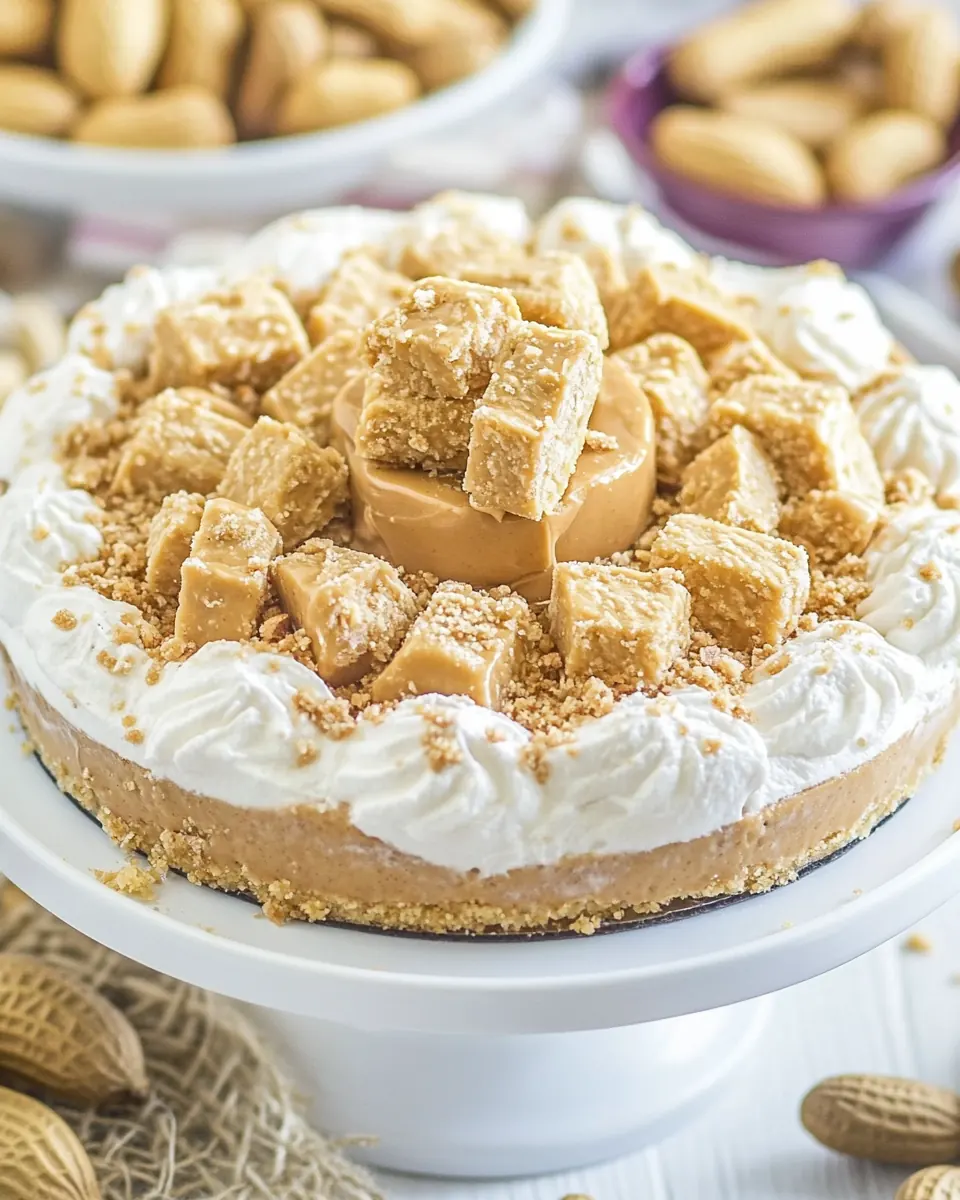
To decorate: place hot fudge and peanut butter in separate ziploc sandwich bags. Cut off the tips of the bags and pipe onto the top of the cheesecake. Pipe whipped cream around the edges (or use more Cool Whip), place Mini Nutter Butters around the edges, and sprinkle with peanuts.: place hot fudge and peanut butter in separate ziploc sandwich bags. Cut off the tips of the bags and pipe onto the top of the cheesecake. Pipe whipped cream around the edges (or use more Cool Whip), place Mini Nutter Butters around the edges, and sprinkle with peanuts. : Piping warm hot fudge and warmed peanut butter creates glossy ribbons that contrast the matte frozen surface, and the steam from the warm drizzles enhances the aroma of chocolate and roasted nuts. Working quickly while the drizzles are warm helps them set with attractive streaks rather than hard globs, and piping the chocolate whipped cream or extra Cool Whip around the border builds a soft visual frame that catches the mini cookies and chopped peanuts . Watch the temperature of your toppings, as piping them too hot can melt the surface; allow them to cool to warm but not scalding. A common pitfall is over decorating, which can make slices top heavy and messy when served.
Cake can be decorated and then re-frozen, if desired.: If you plan to serve later, re freezing after decorating locks the toppings in place and makes transportation easier, as long as decorations are freezer safe. The visual appeal remains intact and the surface will be slightly firmer, which helps slicing and keeping neat serving portions. Ensure decorations that contain liquid do not weep when frozen; chilling them first prevents run off. An error to avoid is using decorations with high water content that freeze into ice crystals, which alters texture and appearance.
This cheesecake also tastes great refrigerated (that is, not frozen). So you can totally skip the freezing part and eat it just as a no-bake cheesecake!: Chilling the cake in the refrigerator yields a creamier, softer slice that is more like a traditional no bake cheesecake, with a lovely melt in the mouth sensation. The flavors are more immediate and the texture is silkier compared to the firmer frozen version. This approach shortens waiting time and suits those who prefer a softer bite. Be mindful that refrigerated slices may be a little less firm when plated, and you should refrigerate until set to avoid saggy slices. A common oversight is under chilling, which causes the cake to slump when cut.