Cook pasta according to package directions; drain, cover, and set aside.: The pasta should be cooked to al dente, when it still has a slight bite, and it will continue to soften when dressed with the warm sauce. You should smell the faint wheaty aroma as it boils and see the steam rise as you drain it, which signals moisture that helps the sauce adhere. Keep it covered to retain heat, which prevents the strands from clumping. The most common mistake is overcooking, which makes the pasta mushy and unable to hold the sauce.
Meanwhile, thinly slice bell peppers and onion. Roughly chop lettuce, grate Parmesan, and slice tomatoes in half.: When you slice the bell pepper s thinly, they will soften quickly and caramelize at the edges slightly, giving a sweet roasted note. The onion should release a faint sharpness that mellows as it cooks. Grating the Parmesan cheese fresh creates a nuttier aroma than pre-grated versions. A frequent oversight is uneven slicing, which leads to some pieces burning while others remain raw.
Heat oil in a large skillet over medium heat. Add onion and peppers and cook 4-5 minutes until tender.: As the olive oil warms, it releases a golden sheen and a glossy shimmer on the skillet surface. You will hear a gentle sizzle when the onion and bell pepper s hit the pan, and within minutes their edges will soften and color slightly. This step develops sweetness through gentle caramelization, which deepens the sauce flavor. Avoid cranking the heat too high, which can char the vegetables and create bitterness.
Stir in thyme, salt, and pepper, and cook 1 minute longer.: Adding the dried thyme and seasoning at this point wakes up their aromatics, releasing an herbal scent that melds with the softened vegetables. The brief cook time allows the spices to bloom without becoming dry. You should smell a savory shift, signaling readiness for the liquid. A common slip is adding too much salt early, which can concentrate and over-season the sauce as it reduces.
Pour in coconut milk and simmer 5 minutes or until reduced by about half.: The coconut milk will steam and thicken as water evaporates, leaving a glossy, slightly viscous sauce. Look for tiny bubbles at the edges and a fragrant coconut aroma, and watch the color shift to a richer, creamier tone. This reduction concentrates flavor so the sauce has body rather than being runny. If you do not reduce it enough, the finished dish can taste diluted.
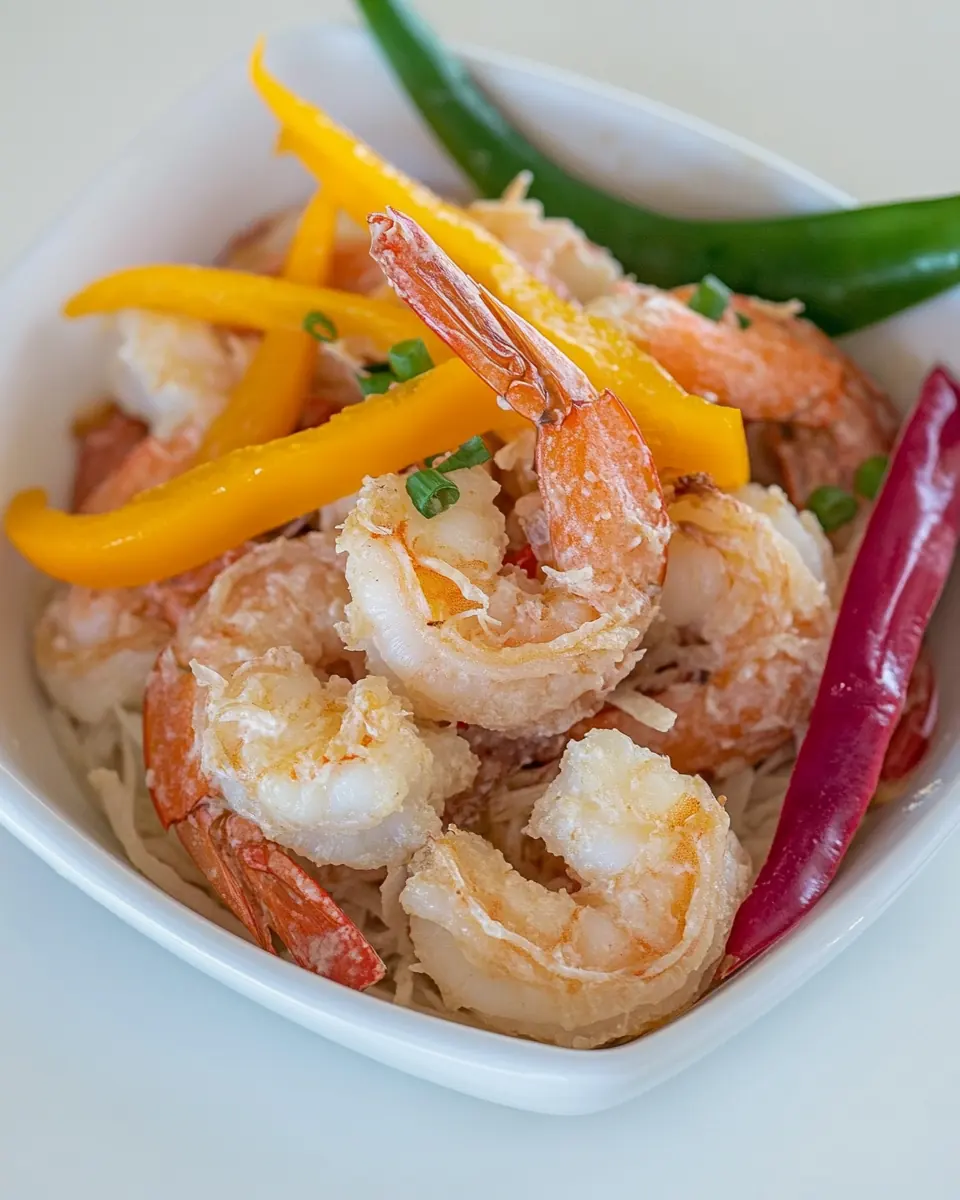
Add shrimp and cook until they curl, approximately 2 minutes.: When the shrimp hit the simmering sauce, you will hear soft, rapid bubbles and see the flesh change from translucent to opaque, turning pink and curling into a loose C shape. That gentle movement and color change are your doneness cues; overcooked shrimp will tighten into an O shape and feel rubbery. One common mistake is overcrowding the pan, which causes steaming instead of quick sear and uneven cooking.
Turn off heat and stir in chili sauce and plain yogurt.: Removing the skillet from heat before adding the sriracha sauce and Greek yogurt prevents curdling and keeps the yogurt creamy. As you stir, you will notice the sauce becoming silkier, with a balanced tang and gentle heat. This blending step harmonizes flavors without additional cooking. A typical error is adding yogurt while the pan is too hot, which can break the sauce texture.
In a large bowl, toss together lettuce, Parmesan, tomatoes, and your favorite dressing.: Tossing the lettuce with the grated Parmesan cheese and halved cherry tomatoes introduces crispness and bright acidity. The dressing should coat each leaf lightly, and you will feel the salad give a satisfying crunch when served. Make sure to dress the salad just before plating to avoid limp greens, which is a frequent pitfall.
Serve shrimp mixture over a bed of pasta, with salad and oranges on the side.: When plating, nestle the warm shrimp and sauce over the linguine pasta so the strands soak up the coconut flavor, and arrange the dressed salad and tangerine segments alongside for contrast. You will notice steam rising and a layered aroma of coconut, citrus, and herbs. A final mistake to watch for is serving everything at vastly different temperatures; aim for the salad cool and the shrimp and pasta warm for the best contrast.