Preheat oven to 350°F. Line a 9×5-inch loaf pan with parchment paper or generously spray with cooking spray and flour the interior. Don’t skip prepping the pan or the bread likely won't come out easily. Melt butter and coconut oil, then allow to cool back to room temperature.: You should notice a warm anticipation in the kitchen as the oven comes to temperature, and the smell of a clean oven almost primes you for baking. Preparing the pan creates a nonstick environment so the loaf releases cleanly, which matters for presentation and texture. If you skip parchment or proper greasing, the crust can cling and tear when unmolding. A common mistake is not allowing the parchment to extend beyond the pan edges by an inch or two, which makes lifting harder. Visually confirm the oven reads 350°F so the loaf bakes evenly, and tap the pan gently after greasing to see if any bare spots remain.
In a small bowl, mash the bananas until smooth and measure out 1 leveled, completely filled cup. In a large bowl, while whisking vigorously, add mashed bananas, melted (and cooled to room temperature; don’t add hot butter!) butter, melted (and cooled) coconut oil, brown sugar, vanilla extract, egg, and yogurt. Vigorously mix with a whisk until smooth.: You will see the butter and coconut oil transform from solid to glossy liquid, carrying a rich, toasty scent. Cooling is essential because hot fat can scramble the egg and create an uneven texture. Wait until the mixture feels just slightly warm to the touch rather than hot, and stir once to ensure it is uniform. The why here is that room temperature fats blend smoothly with other ingredients, producing a cohesive batter; rushing this causes lumps or uneven batter texture. Avoid microwaving in too high a setting which can overheat the fat quickly.
In a separate bowl, combine flour, baking soda, salt, and chocolate chips. Stir to combine. Add dry ingredients on top of wet ingredients and gently fold the dry into the wet until just combined and no dry streaks remain. Don’t overmix.: As you mash, smell the concentrated banana perfume, and notice the texture shift from chunky to silky. Whisking develops a glossy, uniform wet base that traps tiny air bubbles, aiding rise. This vigorous mixing helps dissolve brown sugar and integrates the yogurt so pockets of moisture are evenly distributed. The reason this matters is it creates a consistent crumb and prevents pockets of dry flour later. Be careful not to over-whisk into a foam, and do not add hot ingredients which could cook the egg. A common pitfall is uneven banana measurement; always level the cup for consistent results.
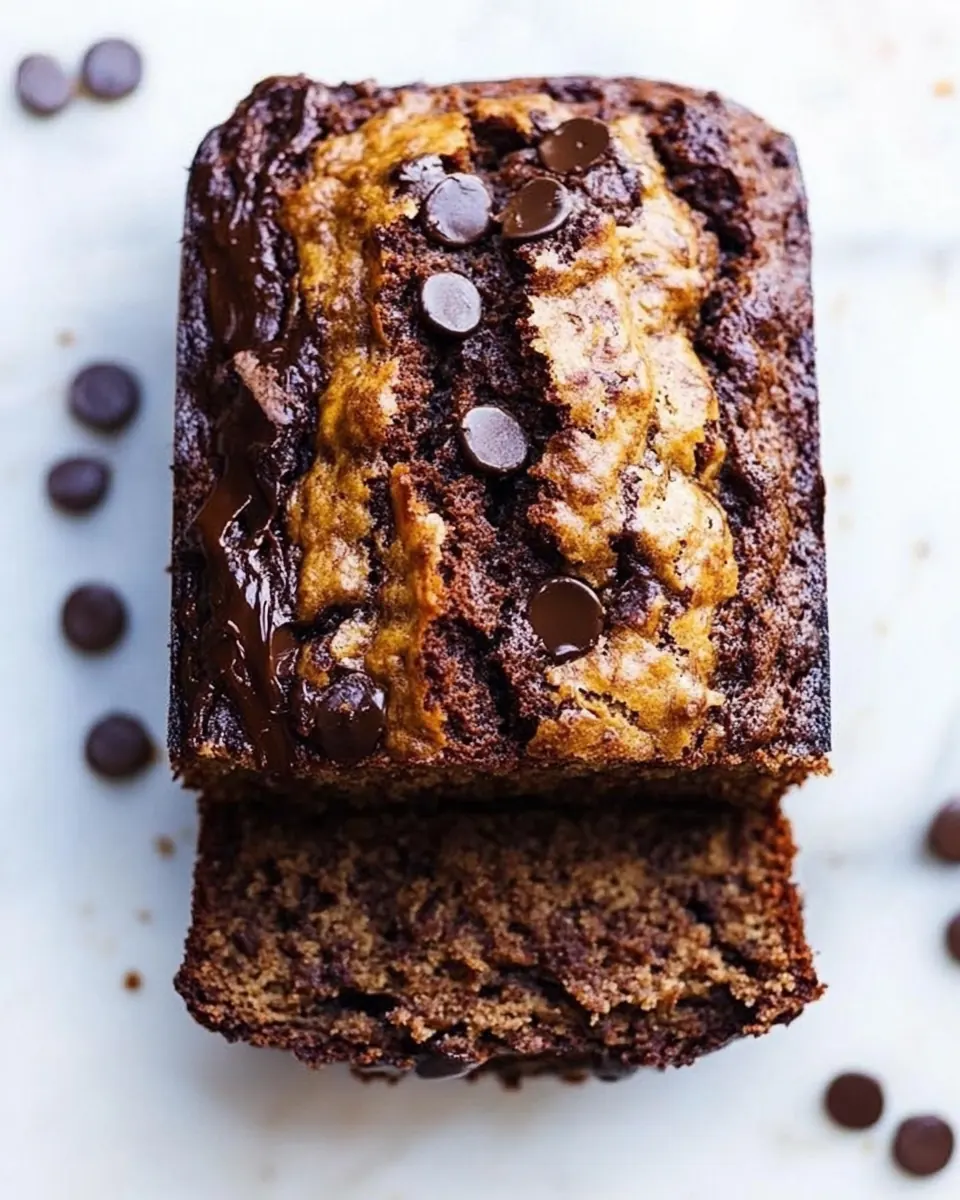
Pour just under half the bread batter into the prepared loaf pan. In a microwave-safe bowl, add the Nutella and microwave 15 seconds. Pour Nutella over batter and smooth with the back of a spoon. Pour the rest of the bread batter on top of the Nutella. Dot the top of the bread with a few more chocolate chips (optional). Optionally sprinkle 2 tablespoons brown sugar on top of the bread and gently press in.: You will notice the dry mix looks powdery and the chips are evenly distributed. Folding gently preserves air and prevents gluten from developing too much, which keeps the loaf tender. The sensory cue to watch for is the disappearance of white streaks rather than a uniform glossy batter; once streaks are gone stop folding. Overmixing creates a tough texture, while undermixing leaves pockets of flour. If you see streaks of flour, continue gently but stop as soon as they blend away. Avoid vigorous stirring which will tighten the crumb.
Bake for 60–70 minutes, or until a toothpick when inserted in the center comes out clean or with few moist crumbs. Remove from oven and let cool 15 minutes in the bread pan before inverting to a cooling rack. Once on the cooling rack, allow bread to cool for at least 30 minutes and preferably an hour before cutting.: The visual is lovely here: a base layer of golden batter, a glossy ribbon of Nutella , then a crown of batter. Heating the Nutella just softens it so it spreads easily without becoming too runny. The reason for layering is that the contrast of streaks and swirl creates pockets of ooze, giving texture variety. Pressing a bit of brown sugar on top helps form a caramelized crust. A common error is overheating the Nutella so it becomes liquid enough to sink completely; aim for a spreadable ribbon not a pool.
Bake for 60 to 70 minutes, or until a toothpick when inserted in the center comes out clean or with few moist crumbs. Remove from oven and let cool 15 minutes in the bread pan before inverting to a cooling rack. Once on the cooling rack, allow bread to cool for at least 30 minutes and preferably an hour before cutting.: During baking you will see the top turn golden and the kitchen fill with a warm, toffee like aroma, and you may hear a faint crackle as the crust sets. The toothpick test ensures the interior has set while still retaining moisture. Letting the loaf rest in the pan helps residual heat finish the crumb without overdrying, and inverting it lets air circulate to avoid a soggy bottom. Cutting too early yields a gummy texture and messy slices, so patience is rewarded. If the top browns too quickly, tent loosely with foil after 30 to 40 minutes to prevent overbrowning while the center continues to bake.