Grease a 9×5-inch loaf pan and preheat oven to 350 degrees.: The kitchen will fill with a faint warmth as the oven comes up to temperature, a reliable beginning cue that sets the stage for a good rise. Greasing ensures the loaf releases cleanly, avoiding sticky edges that tear the crumb. I use a thin layer of oil and a dusting of flour for insurance. A common mistake is under greasing, which can lead to broken slices when you try to remove the loaf, so check the corners carefully.
Whisk together the first 8 ingredients in a large bowl.: As you whisk the all purpose flour , sugar , baking powder , salt , cinnamon , cloves , nutmeg , and ginger , you will notice a uniform color and a fine, airy texture. This step distributes the leavening and spices so every bite is balanced. The dry mix should smell warmly spiced; if it smells flat, double check your cinnamon and baking powder freshness. Overworking the dry mix is not a concern, but skipping the whisk can leave uneven pockets of leavening.
In a medium bowl, whisk together eggs, pumpkin, oil, and milk.: The wet bowl will gleam as the eggs and oil emulsify with the pumpkin and milk , creating a smooth, slightly thick batter base. This mixture should smell faintly of cooked pumpkin and feel glossy. If the eggs are cold, the mixture may look curdled momentarily, so I usually let them sit at room temperature for a few minutes. A common trap is rushing this step and ending up with tiny lumps, so whisk until smooth.
Add wet ingredients to dry and stir just until combined.: The moment you fold the wet into the dry, you will see the batter come together into a cohesive, slightly thick mass with streaks of flour disappearing. Stir gently to avoid developing gluten, which would make the loaf tough. The batter should be homogenous with no dry pockets but still slightly lumpy. Overmixing here will tighten the crumb, so stop as soon as you no longer see streaks of flour.
Pour half the batter into the prepared pan.: As you spoon the batter into the pan, it should settle evenly and hold its shape without sinking. The loaf will bake into a dome that is tender but structured. If the batter seems too loose, check that you measured the flour correctly; packed flour can produce dry results. A frequent error is overfilling the pan which can cause batter to spill, so leaving a small border at the top is wise.
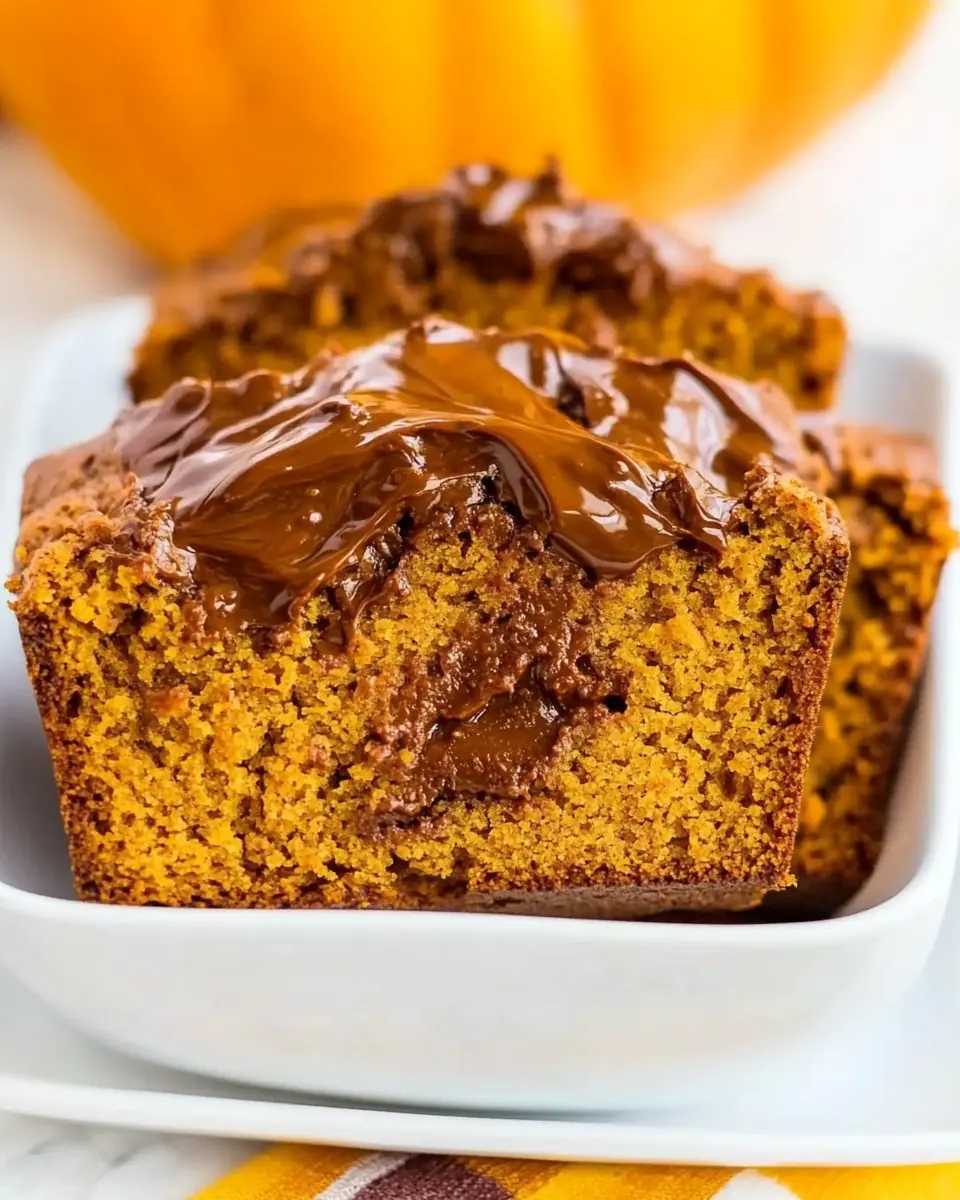
Drop half of the Nutella by spoonfuls evenly over the batter. Use a knife to swirl the Nutella through the batter.: The Nutella will plop with a slight glossy sheen onto the batter, and when you drag a knife through, it should create soft marbling rather than merging completely. The scent of chocolate and hazelnut will brighten the warm spice notes. If you over swirl, the Nutella will fully incorporate and you will lose the marbled effect, so swirl with intention and restraint.
Spoon the remaining batter on top and drop the remaining Nutella by spoonfuls on top of batter. Use a knife to swirl the Nutella.: Adding the top layer of batter will slightly compress the swirl below, creating dimension in the finished loaf. The top Nutella globs should remain visible so the knife motion forms attractive veining as the loaf bakes. Avoid aggressive stirring which can deflate the batter; gentle ribboning yields the most striking visual contrast.
Bake for 55 to 60 minutes or until set. Let cool in pan for 15 minutes before slicing.: As the loaf bakes the kitchen will fill with toasted spice and chocolate aromas, and the top will take on a deep golden brown. Test for doneness by inserting a toothpick near the center; it should come out with a few moist crumbs but not wet batter. Underbaking yields a gummy center, while overbaking dries the crumb, so keep a close eye in the final 10 minutes. If the top browns too quickly, tent foil loosely to prevent burning while the center finishes.
Let cool in pan for 15 minutes before slicing: Cooling allows the internal steam to redistribute, making slicing cleaner and the crumb less crumbly. After 15 minutes, the loaf should release easily and hold its shape. Cutting too soon often leads to tearing and squashed slices, so exercise patience for a neat presentation.